



Find the right implant components in 4 steps.
1Workflow
2Connection
3Procedure
4Components
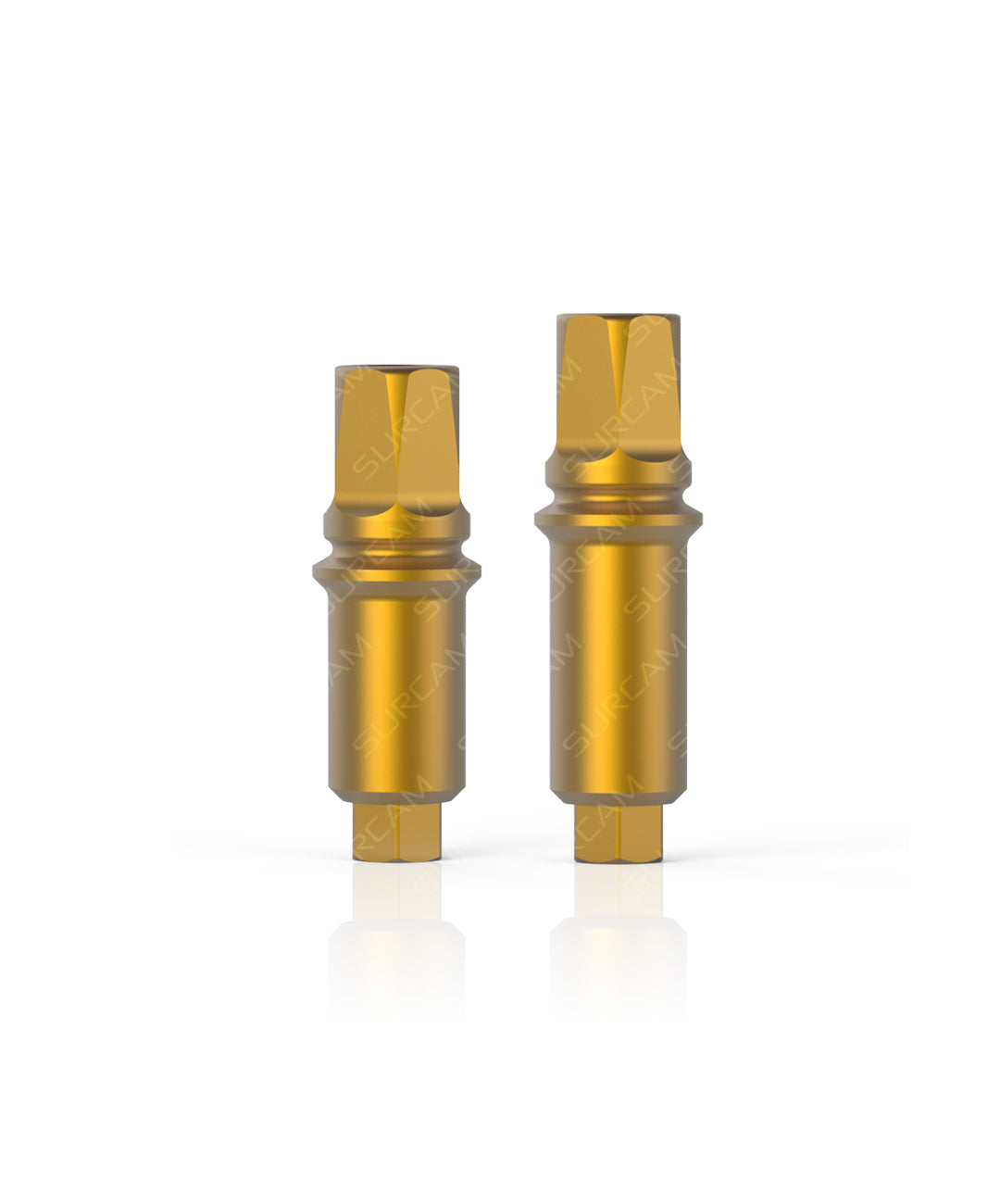
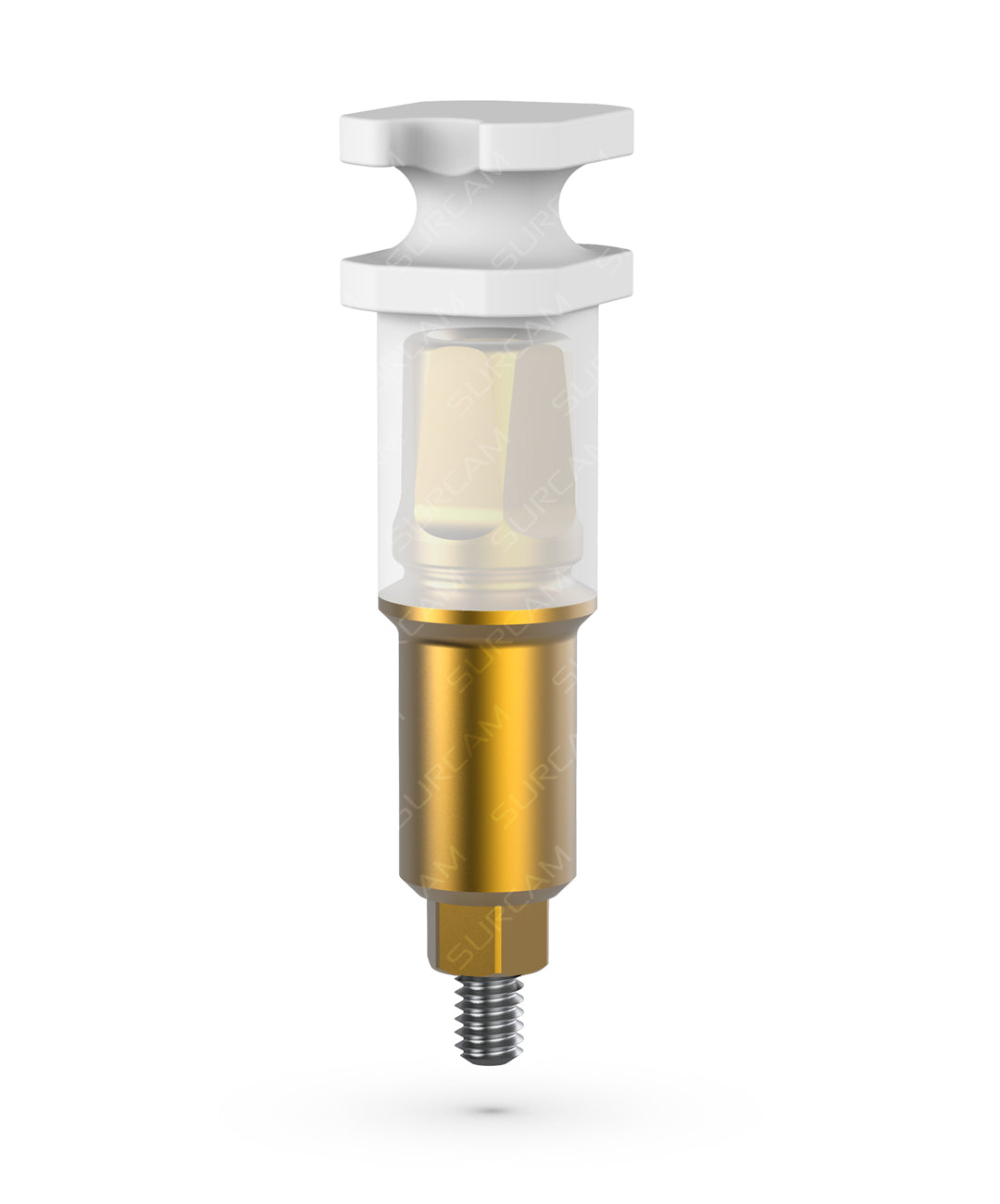
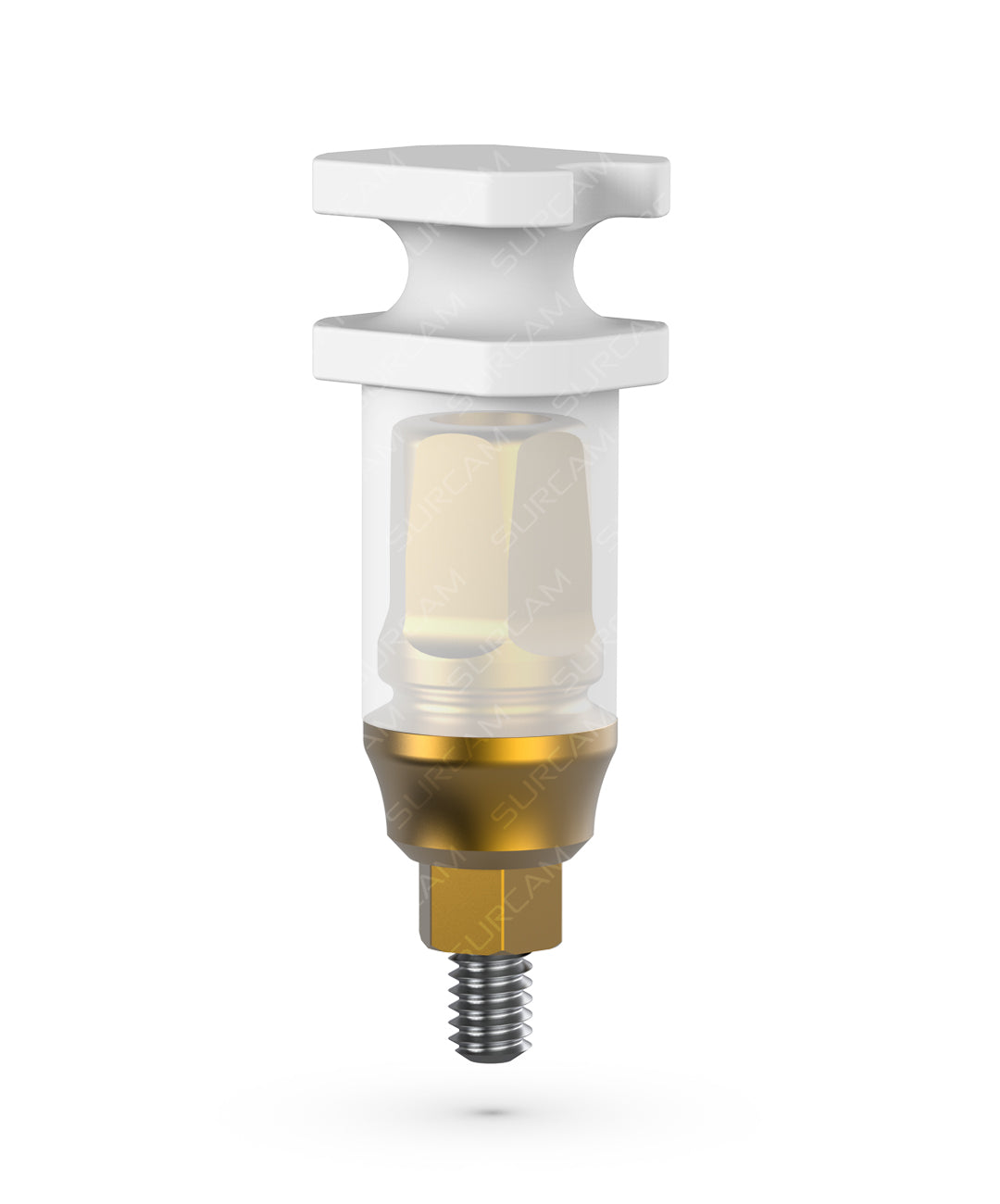
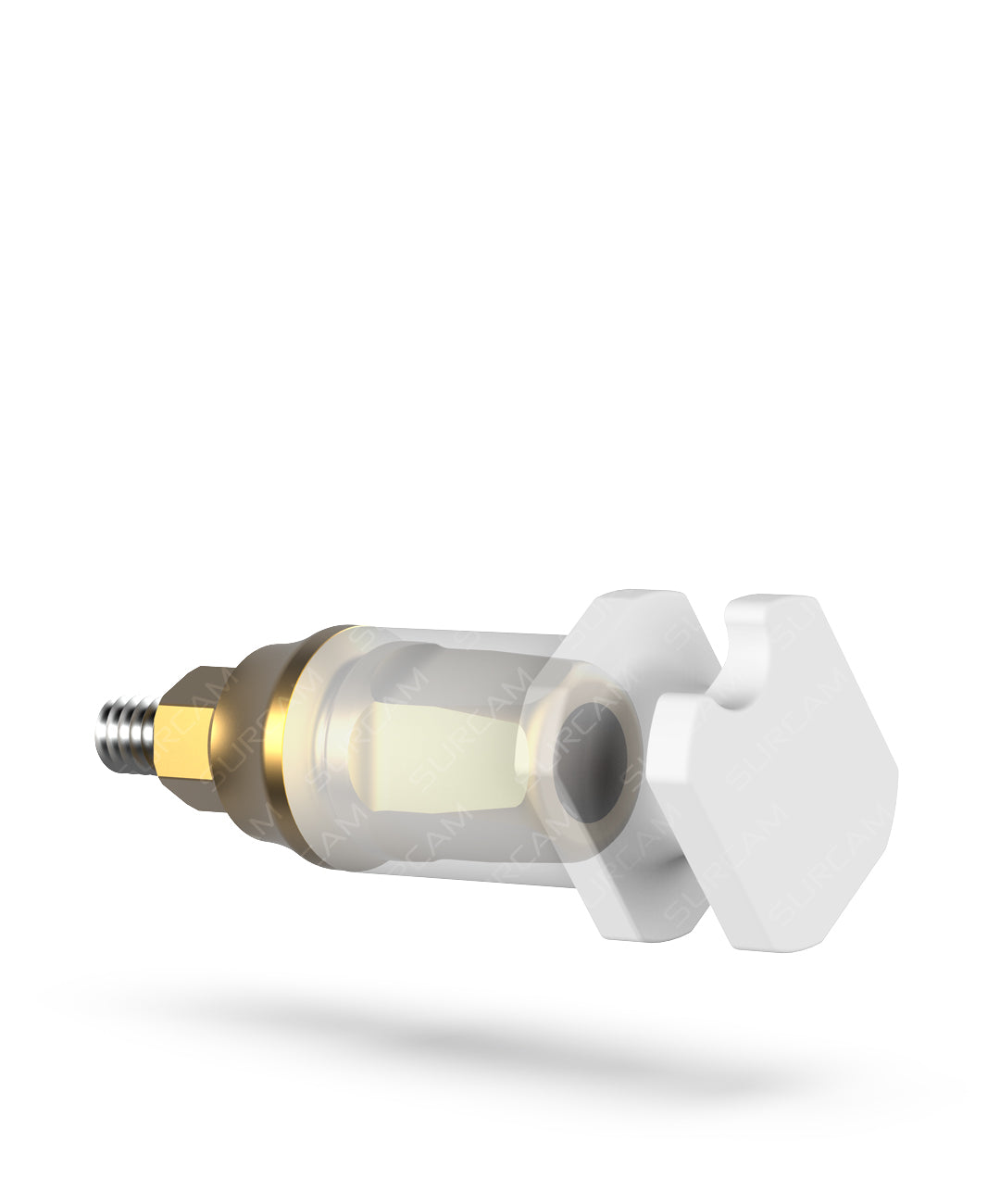
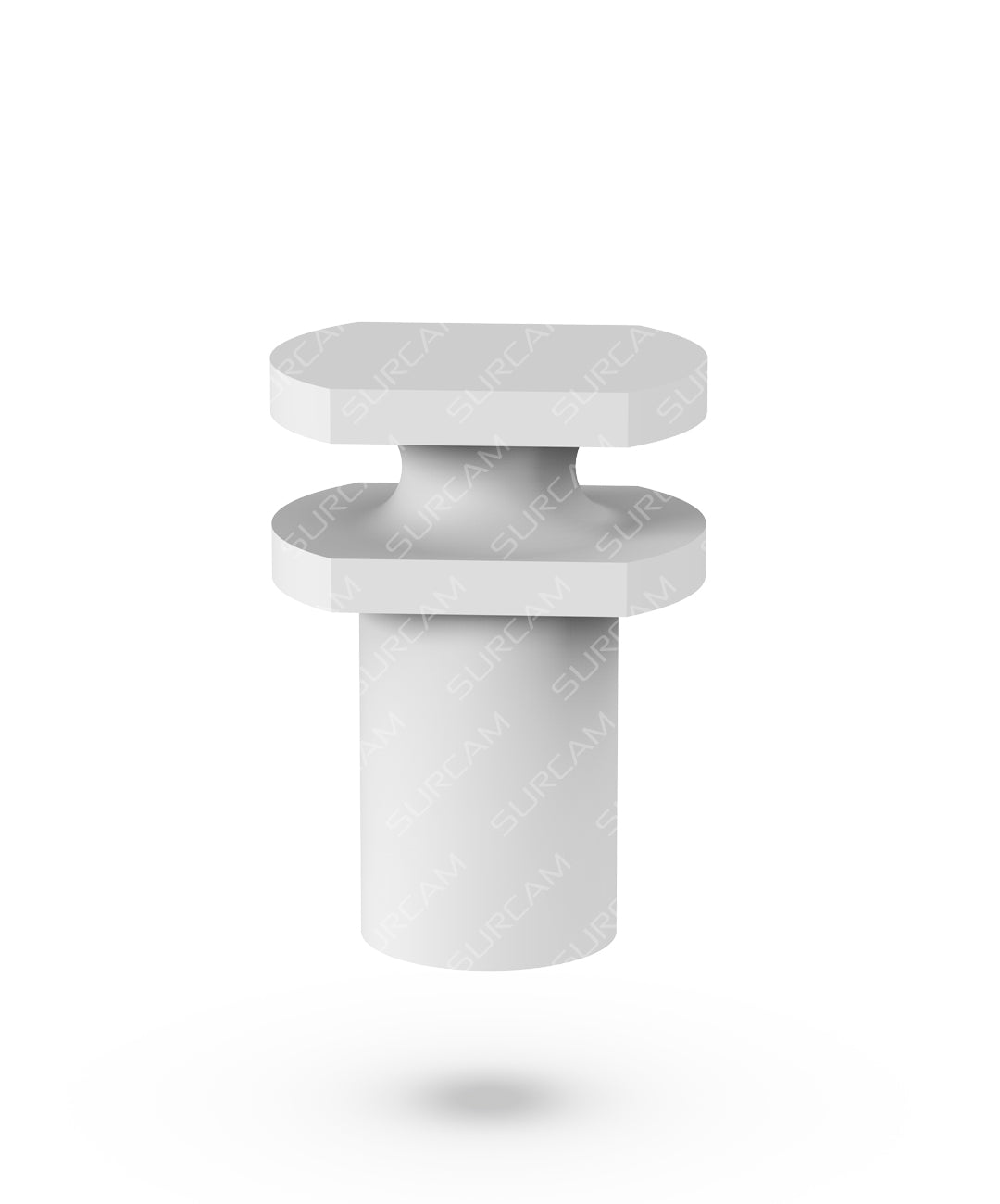
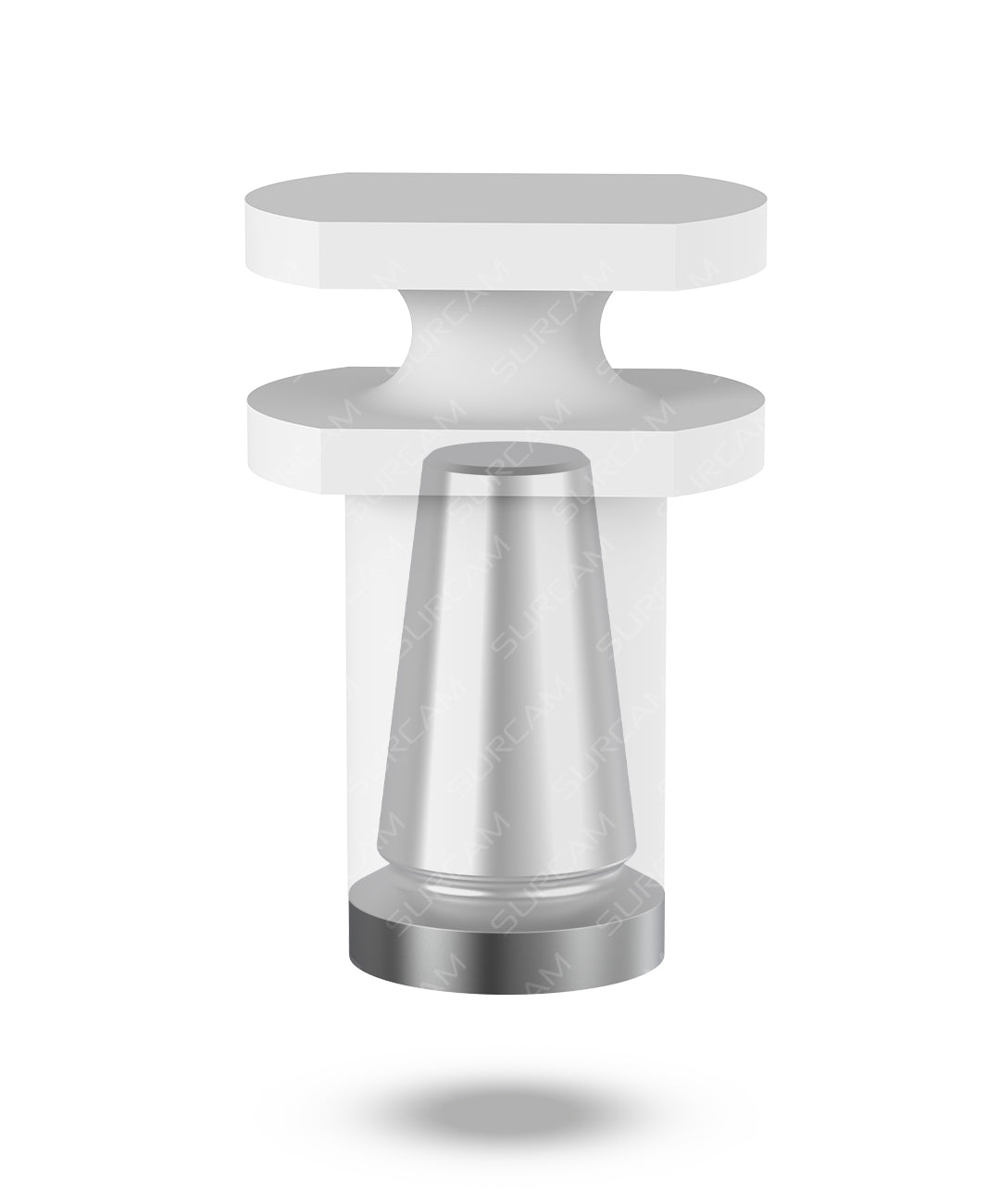
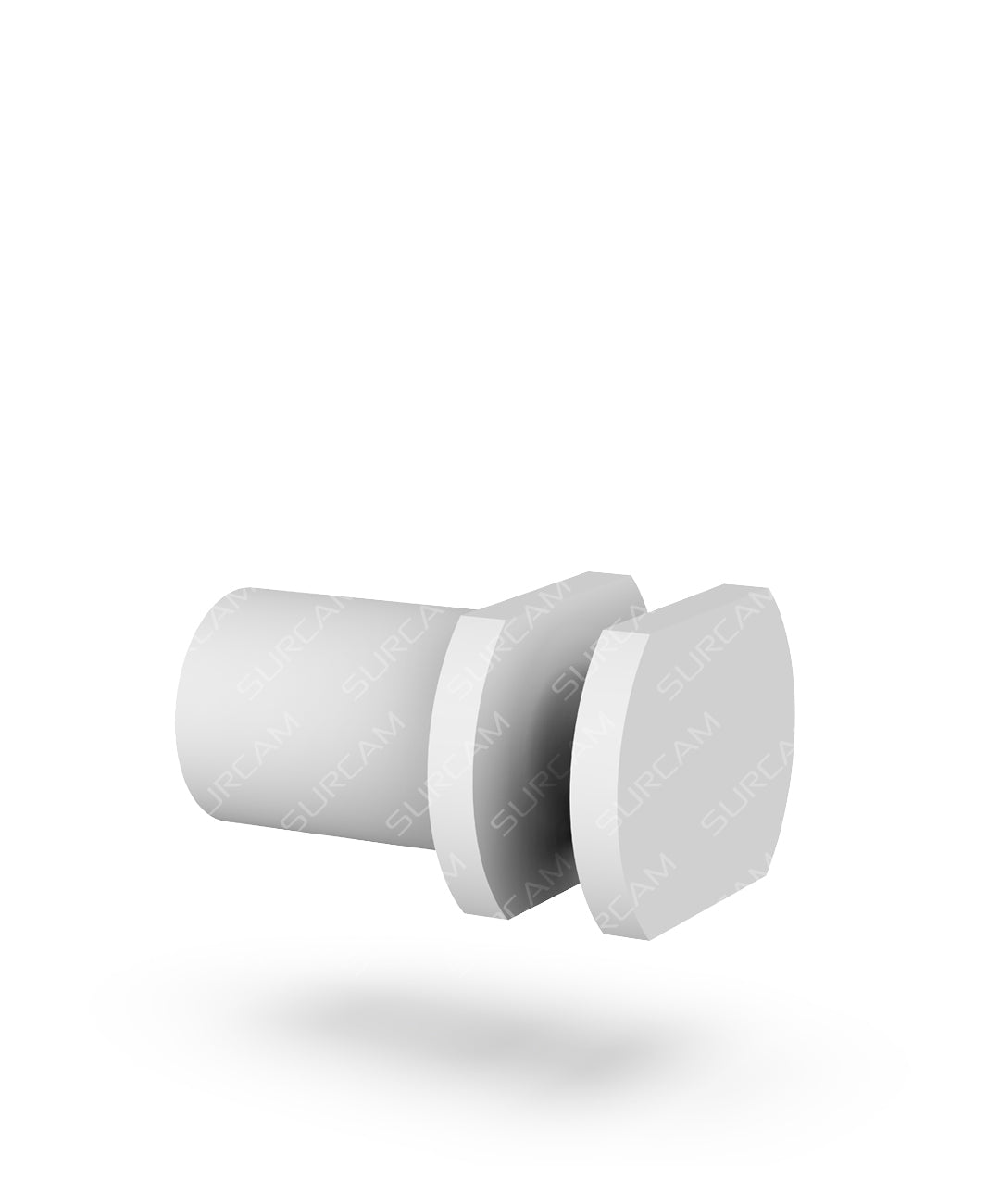
Precision impression copings for dental implants. Open-tray and closed-tray transfers engineered for accurate implant position transfer in analog workflows.

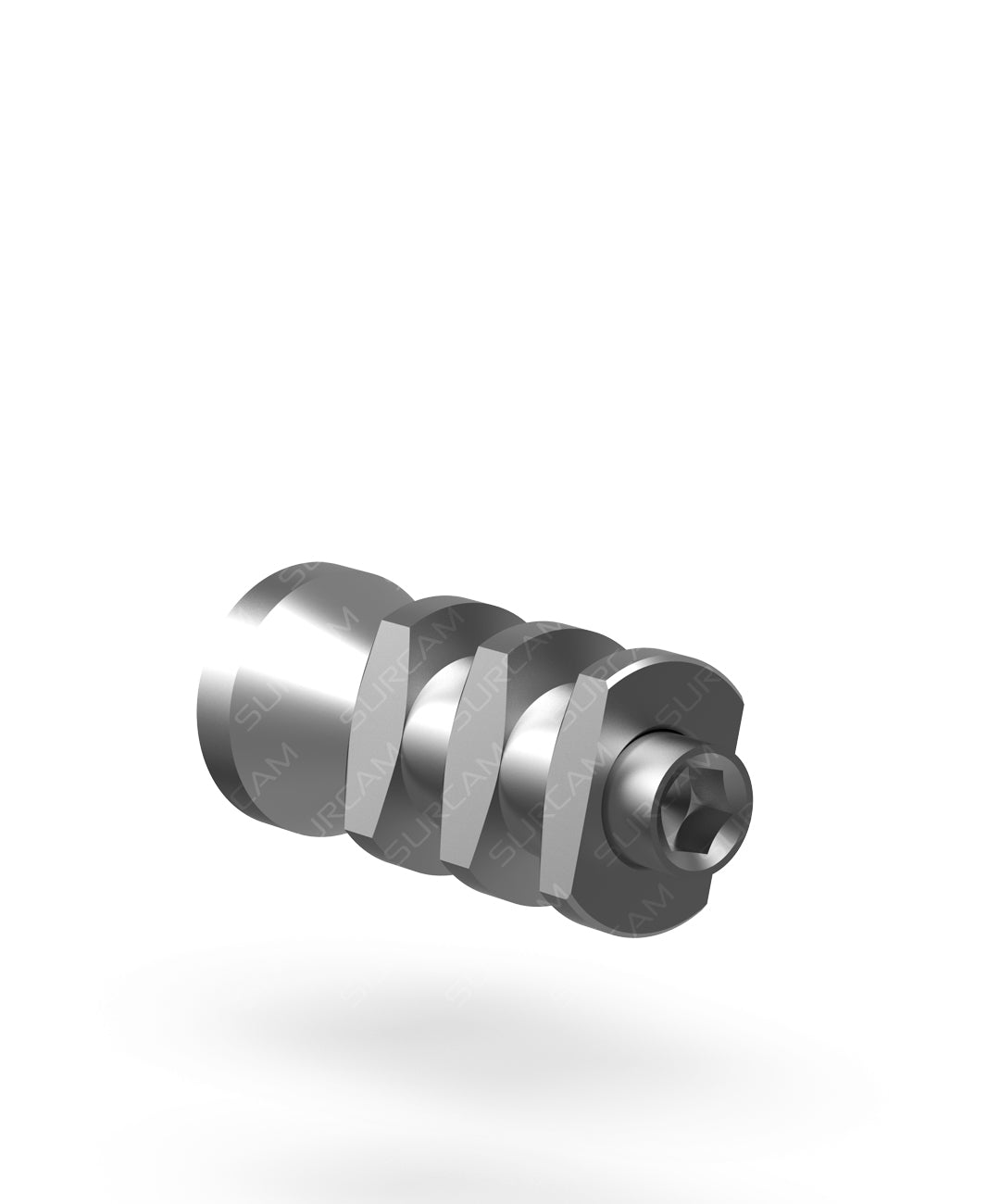
An impression coping, also referred to as an implant transfer coping, is a temporary prosthetic component used during impression taking to capture the exact three-dimensional position of a dental implant. Once connected to the implant, the coping transfers implant depth, angulation, and rotational orientation to the working cast, allowing the laboratory to fabricate a restoration with accurate fit and passive seating. Impression copings form a critical link between surgical placement and prosthetic precision.
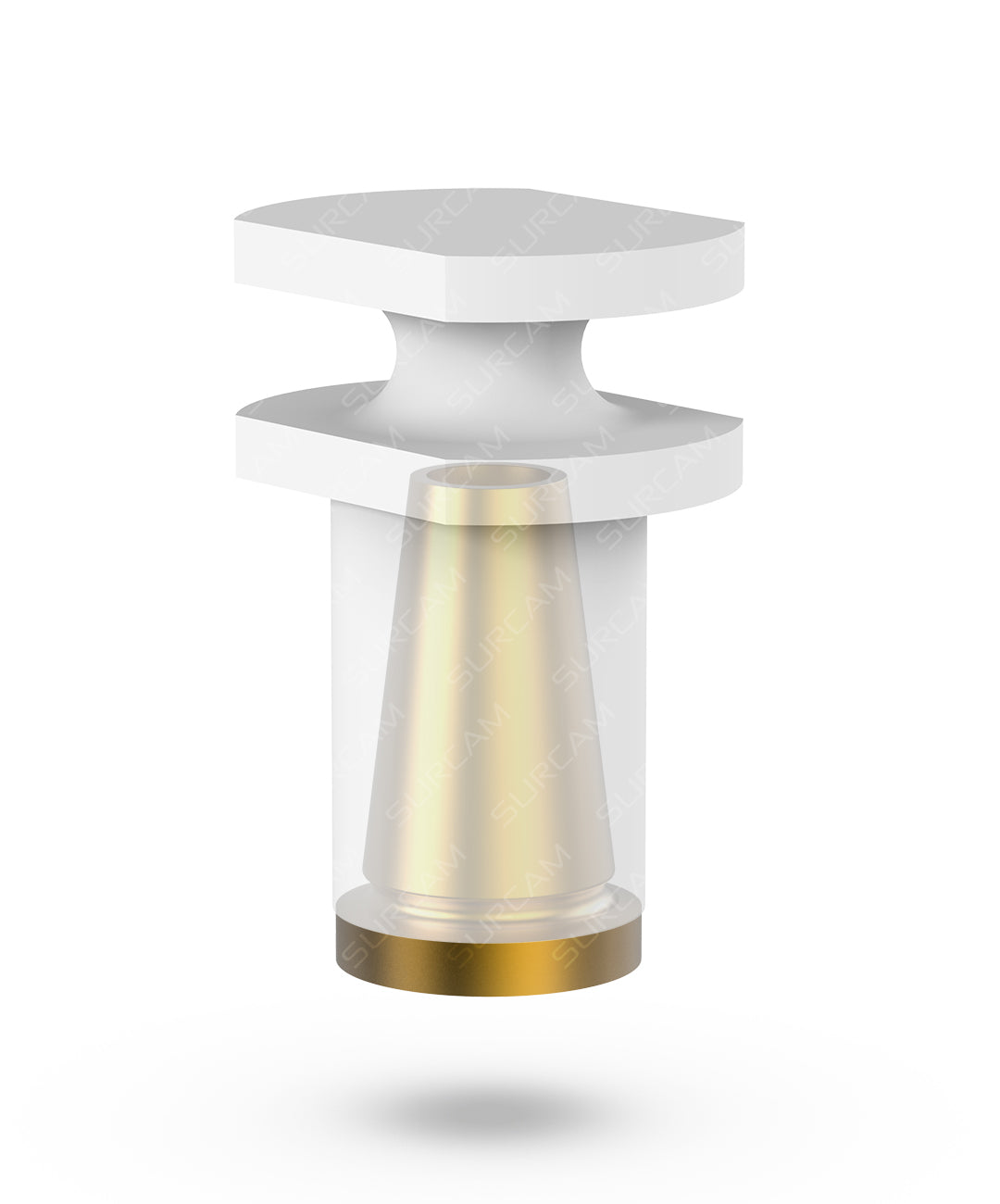
Open tray impression copings feature an extended fixation screw that protrudes through a custom tray window. After the impression material sets, the screw is loosened and the coping remains locked inside the impression. This technique provides the highest positional accuracy and is preferred for multiple implants, non-parallel implants, and full-arch restorative cases.
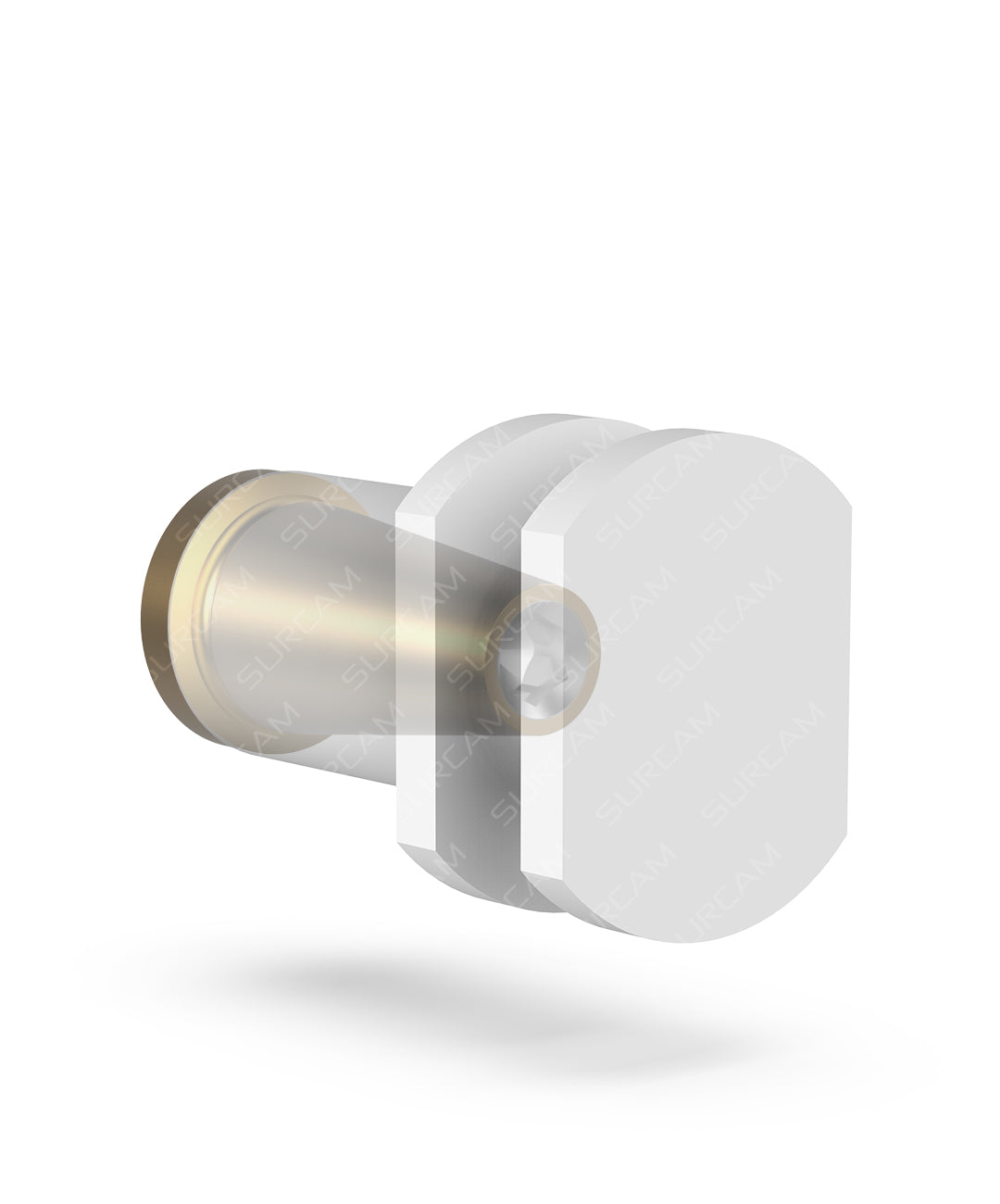
Closed tray impression copings remain attached to the implant when the impression is removed. The coping is then repositioned into the impression extraorally. This method is efficient for single-implant cases with favorable parallelism and limited interarch space while maintaining reliable accuracy when properly executed.
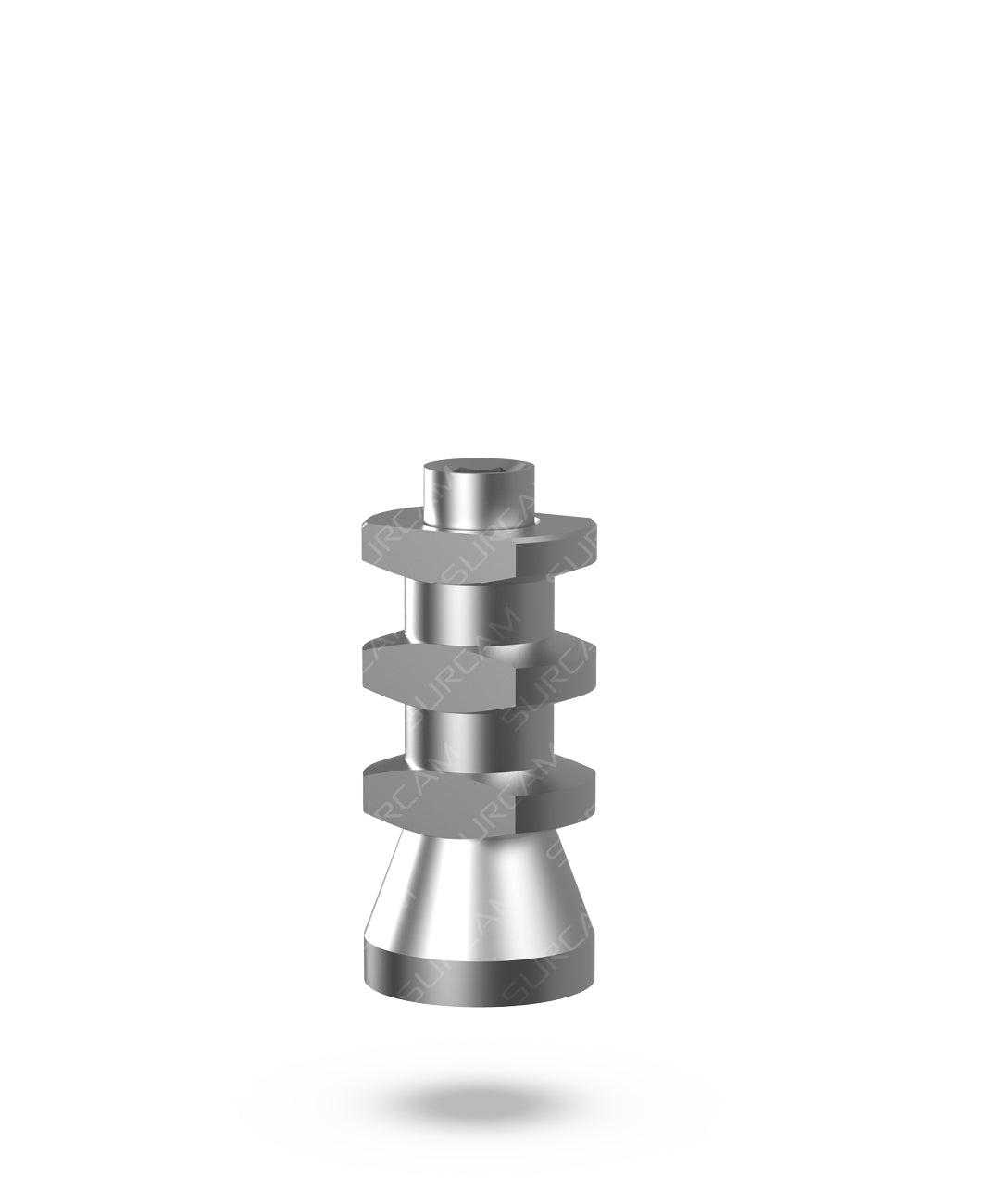
After impression capture, the corresponding implant analog is attached to the coping within the impression. This assembly allows the laboratory to pour a master cast that accurately reproduces the implant position. For predictable results, impression copings and analogs must be platform matched and connection specific.
Impression copings are used exclusively in conventional analog impression techniques. For digital workflows, scan bodies are required instead. Selecting the correct transfer method ensures compatibility with laboratory processes and prevents restorative misfit.
Surcam impression copings are precision manufactured under controlled tolerances to ensure consistent seating, minimal rotational play, and stable fixation during impression removal. Components are sterile packed, lot tracked, and supplied with clear platform identification to support traceability in regulated clinical environments.
Accurate implant impressions depend on correct component matching throughout the restorative workflow. Impression copings function as part of a coordinated system that includes implant analogs, abutments, and prosthetic components. Selecting platform-consistent components ensures passive fit, predictable laboratory outcomes, and long-term prosthetic stability.
Using platform-consistent components across impression, modeling, and restoration stages minimizes rotational error, improves prosthetic accuracy, and reduces chairside adjustments.
Zimmer Biomet®, Straumann®, Nobel Biocare®, BioHorizons® and other marks are owned by their respective holders. Surcam supplies compatible components only.
Order online with confidence- from single cases to bulk supply. Our team is here to help you select the right components and get them delivered fast.