Internal Hex Casting Abutments & Copings FAQ
What are internal hex casting abutments and copings used for?
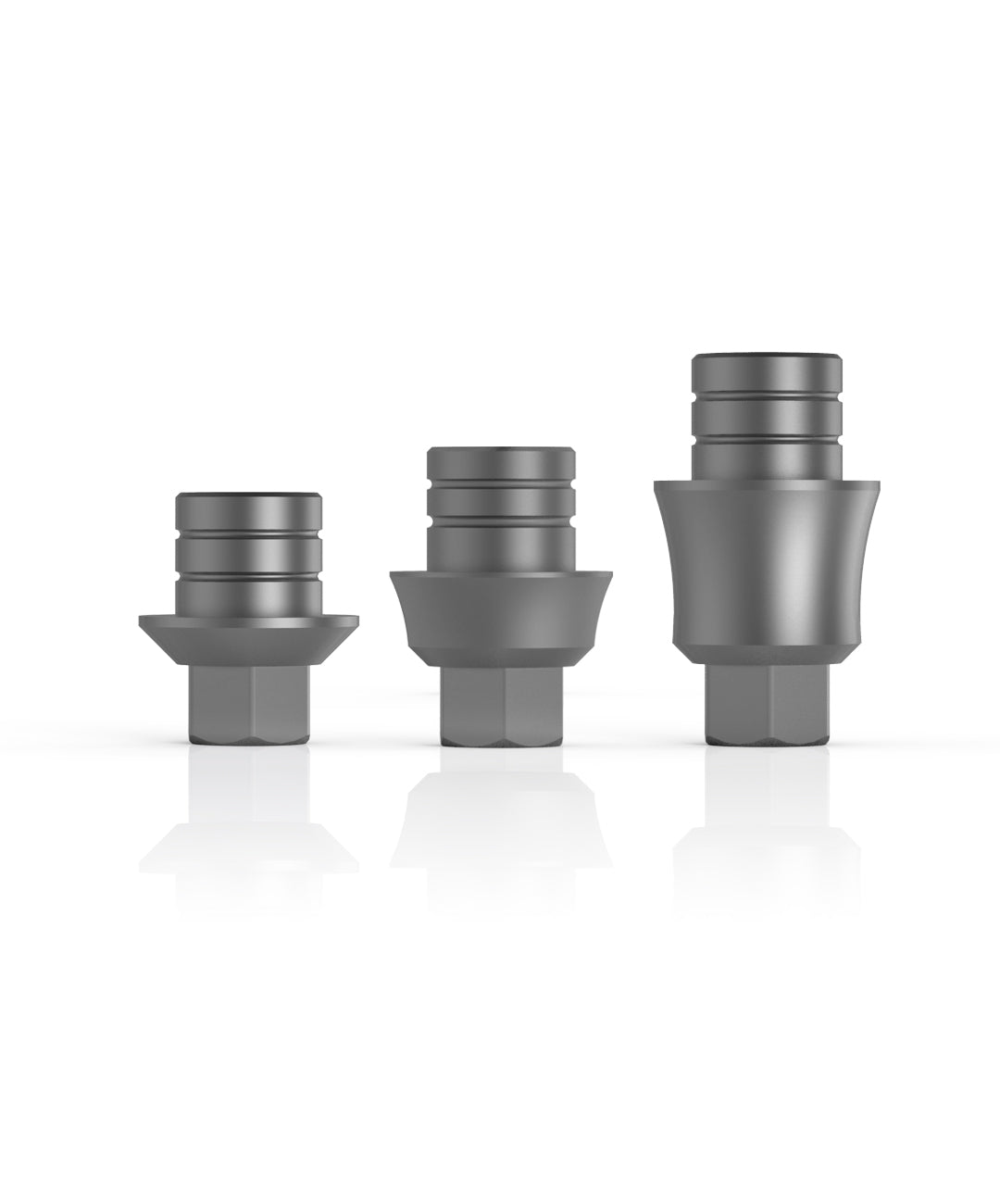
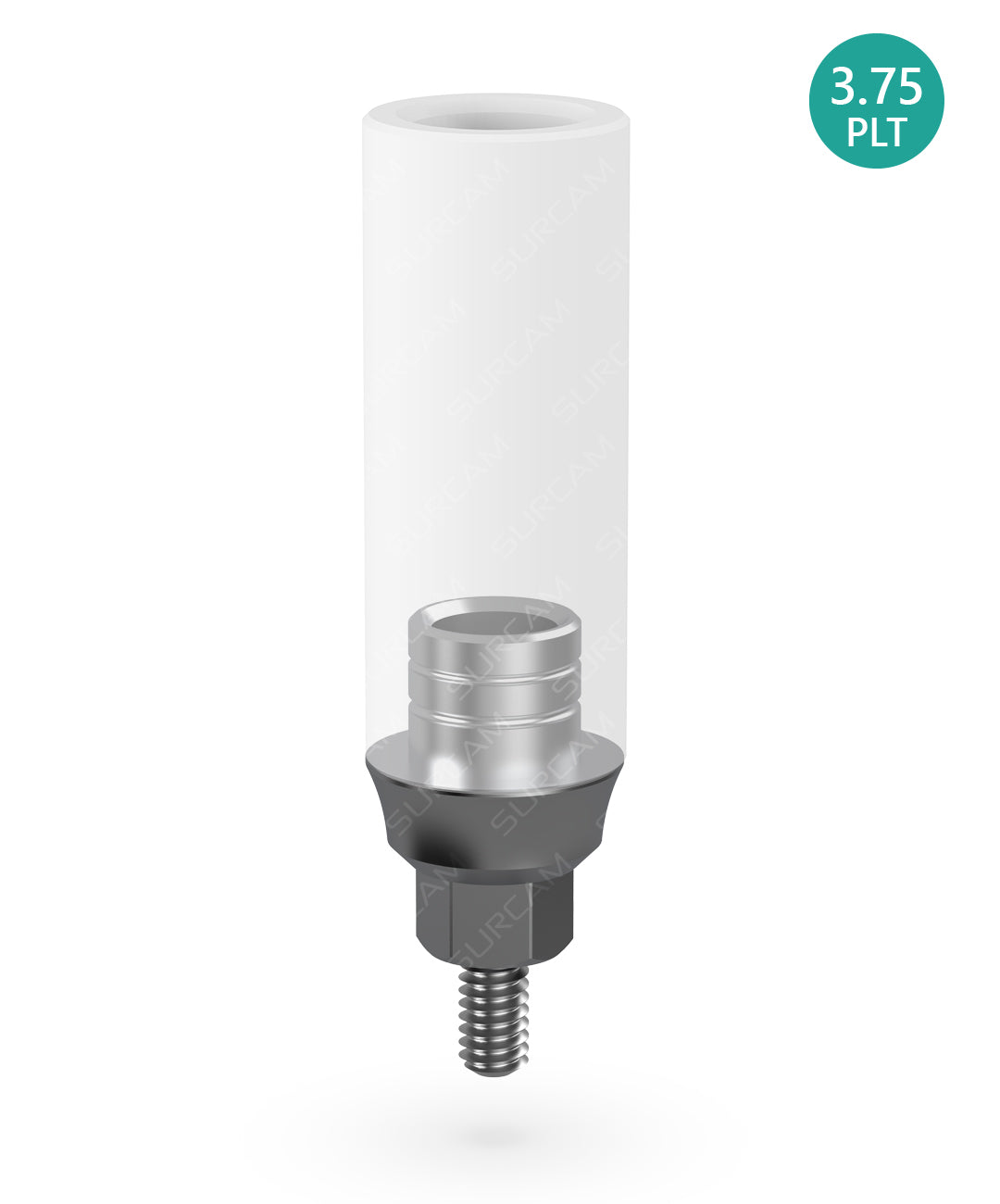
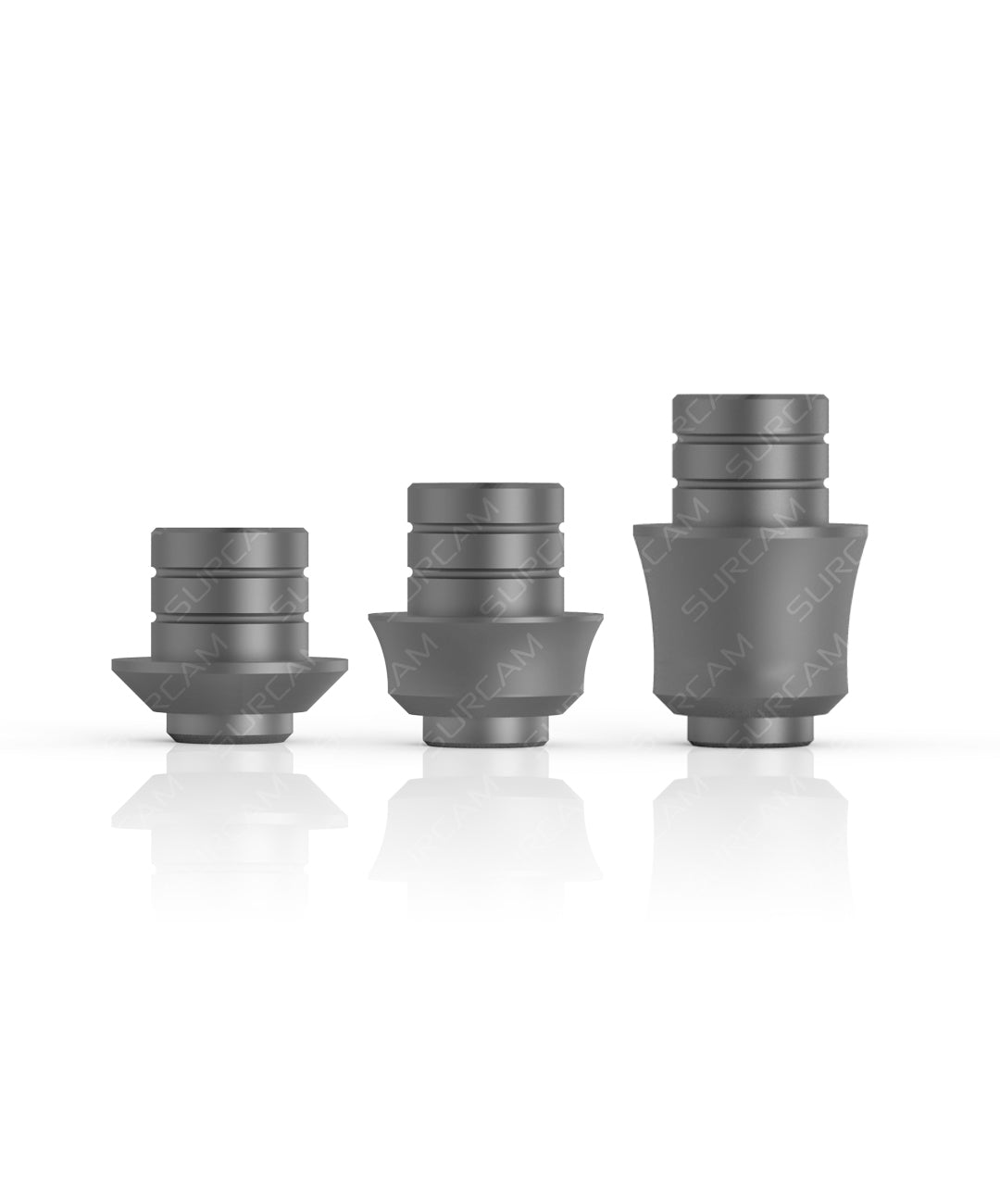
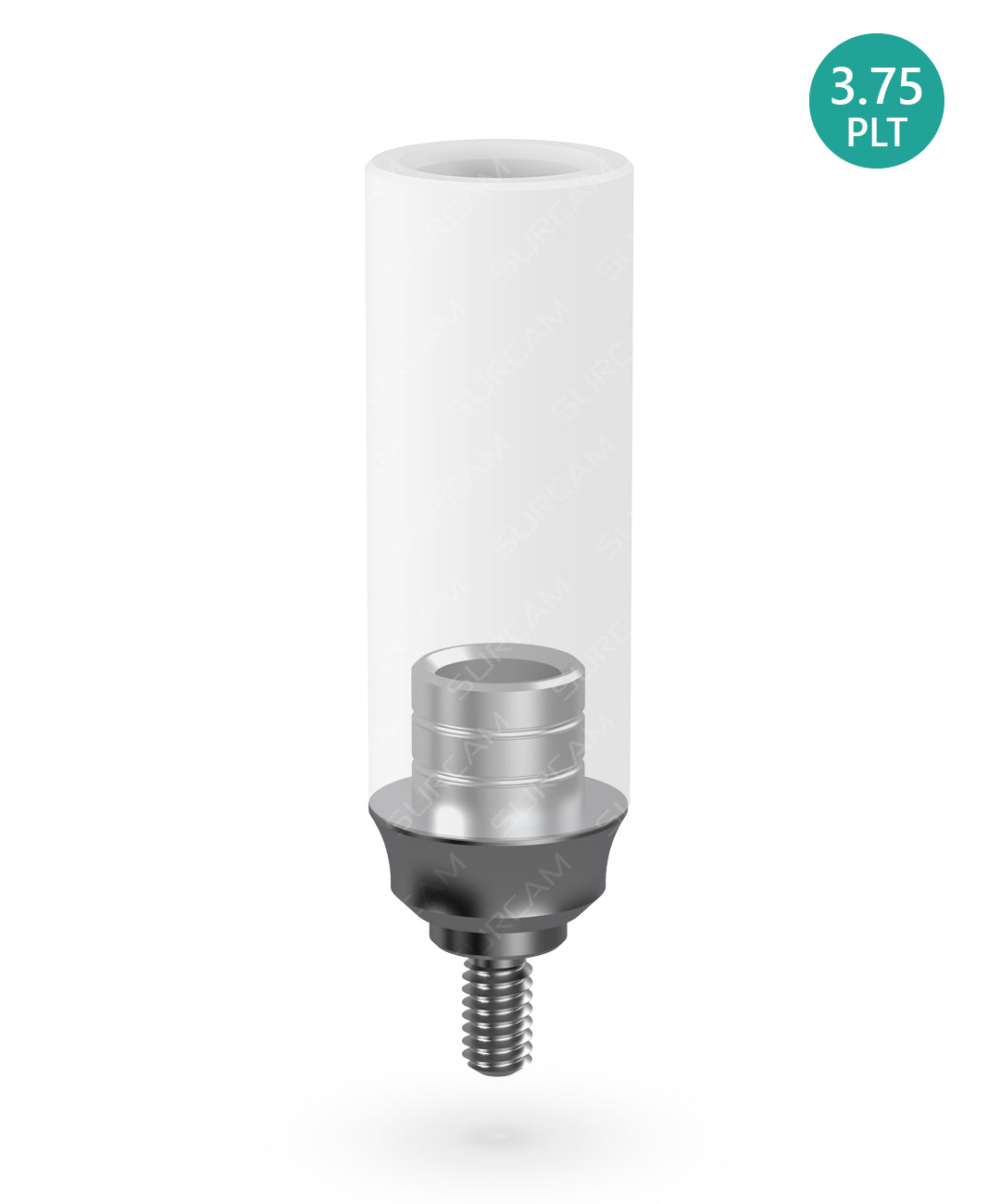
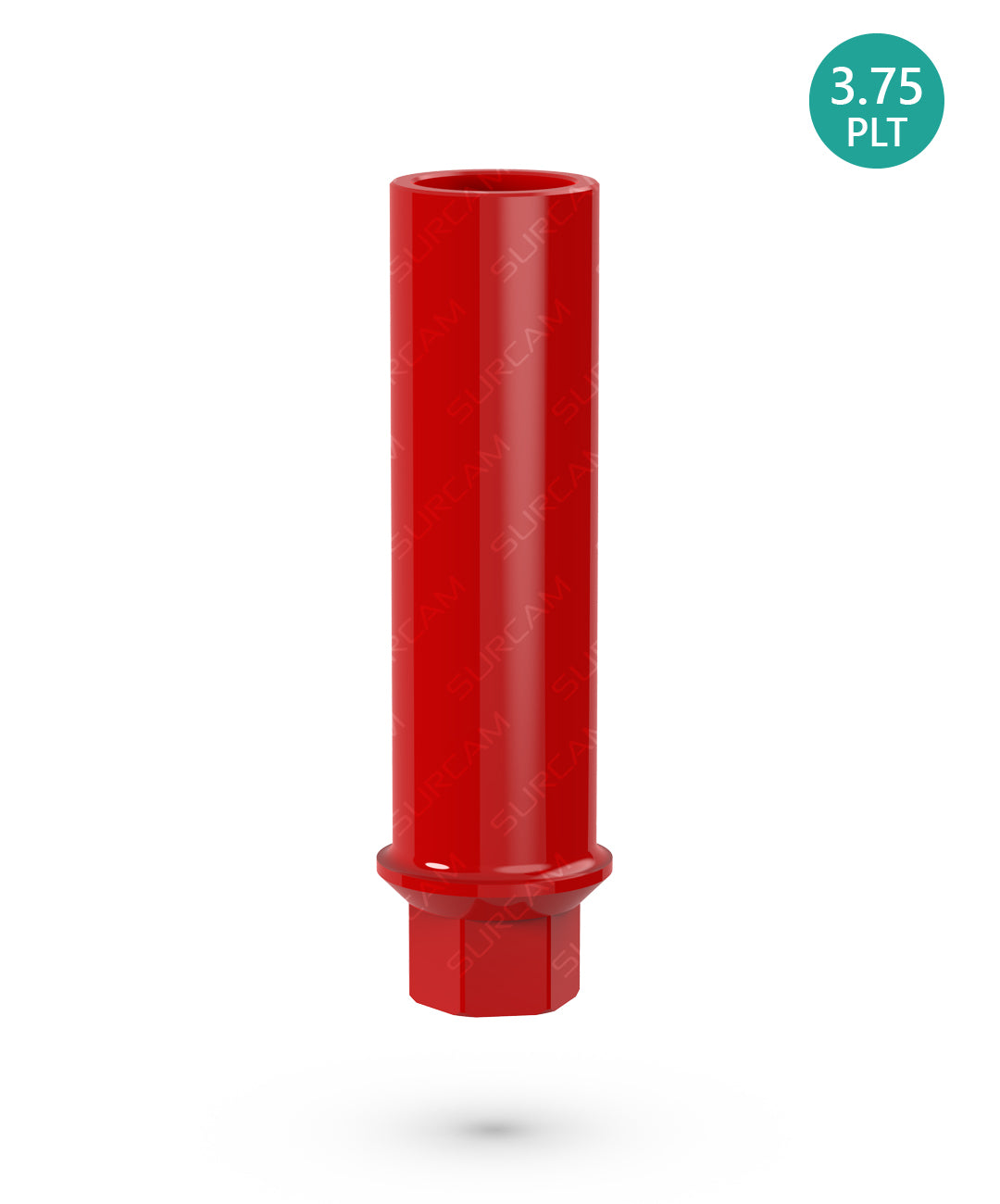
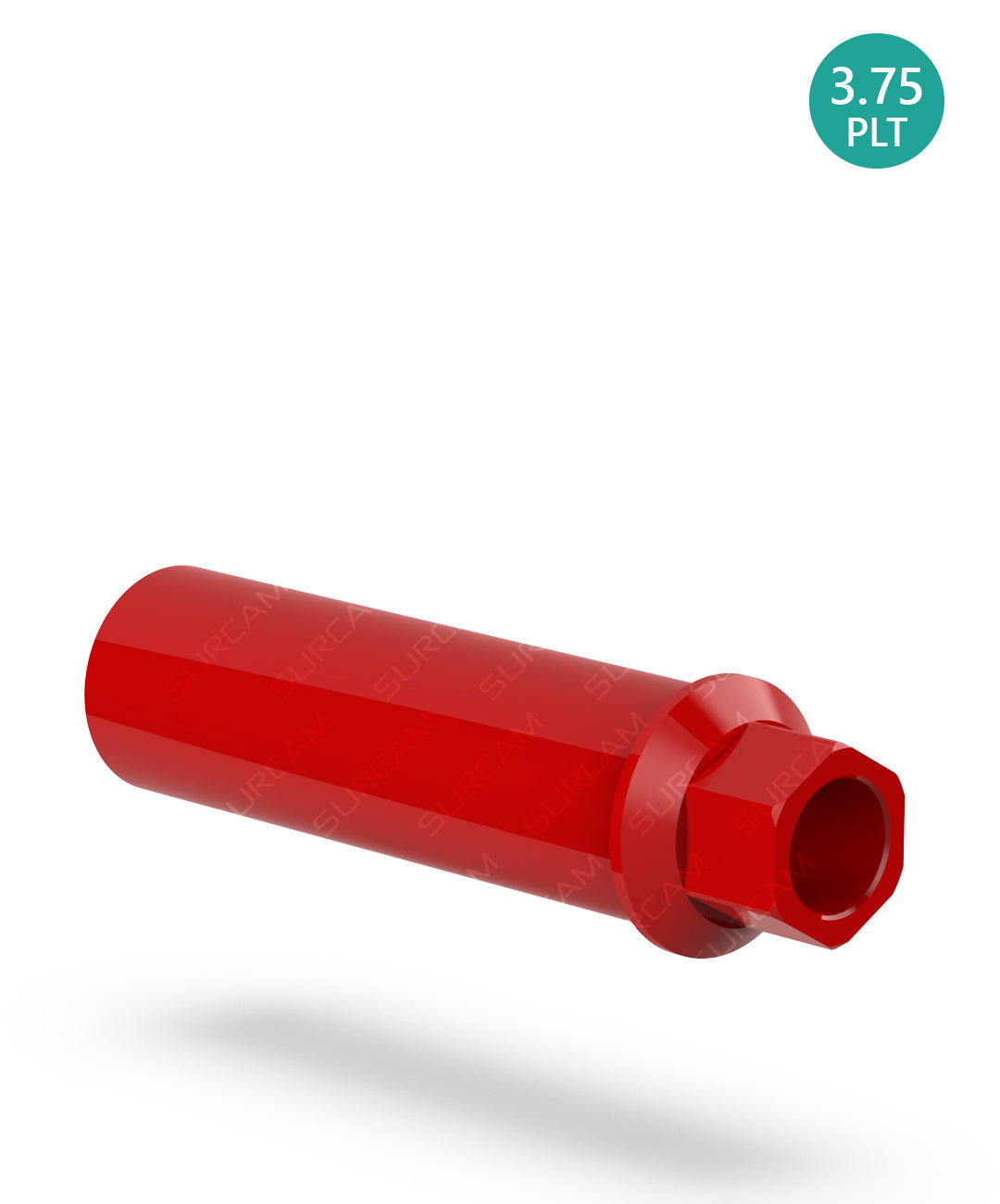
They provide a platform to wax, invest, and cast a custom abutment or framework on the internal hex connection when angulation, soft-tissue contours, or esthetics require individualized emergence and margin design.
When should I choose engaging vs non-engaging components?
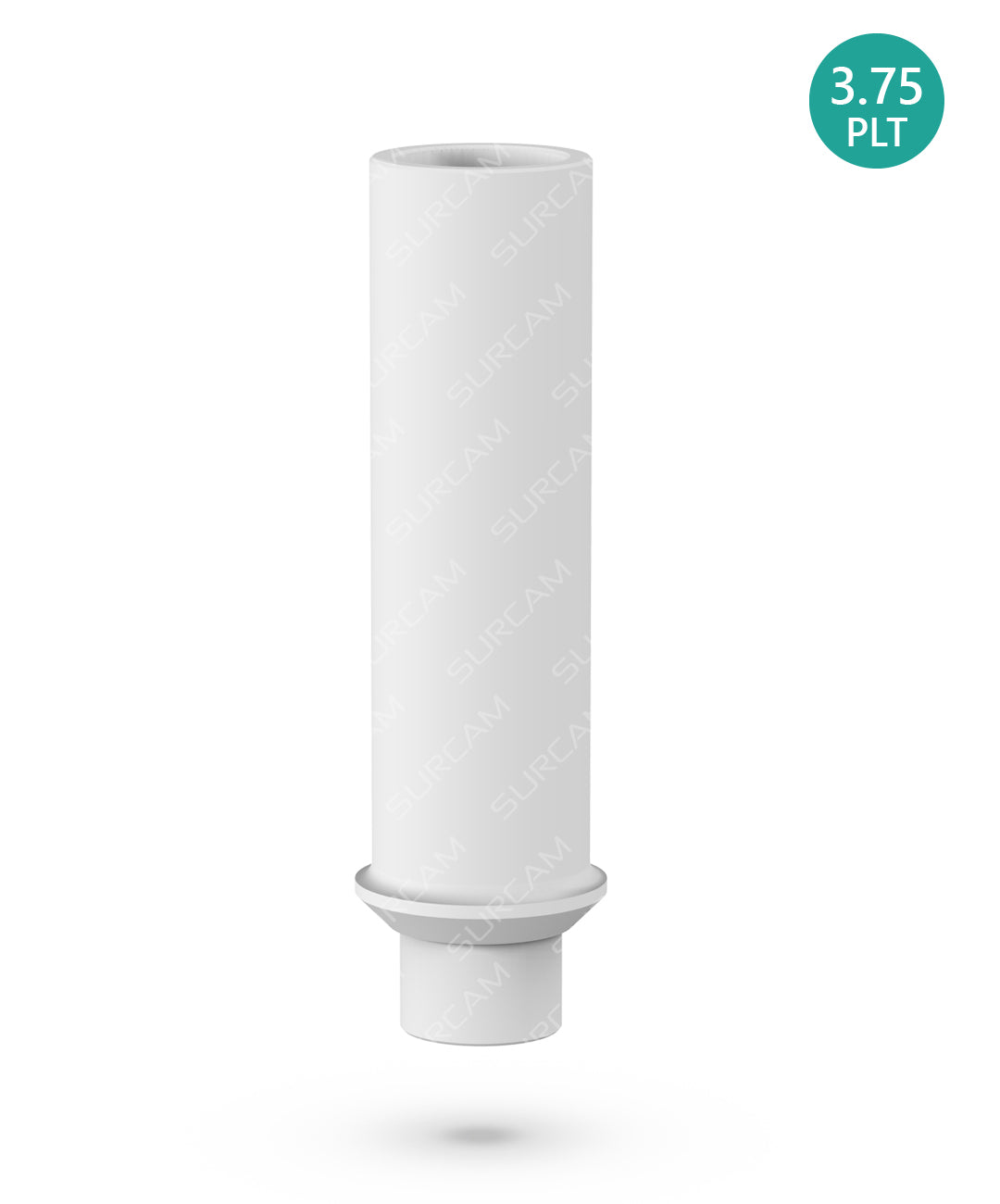
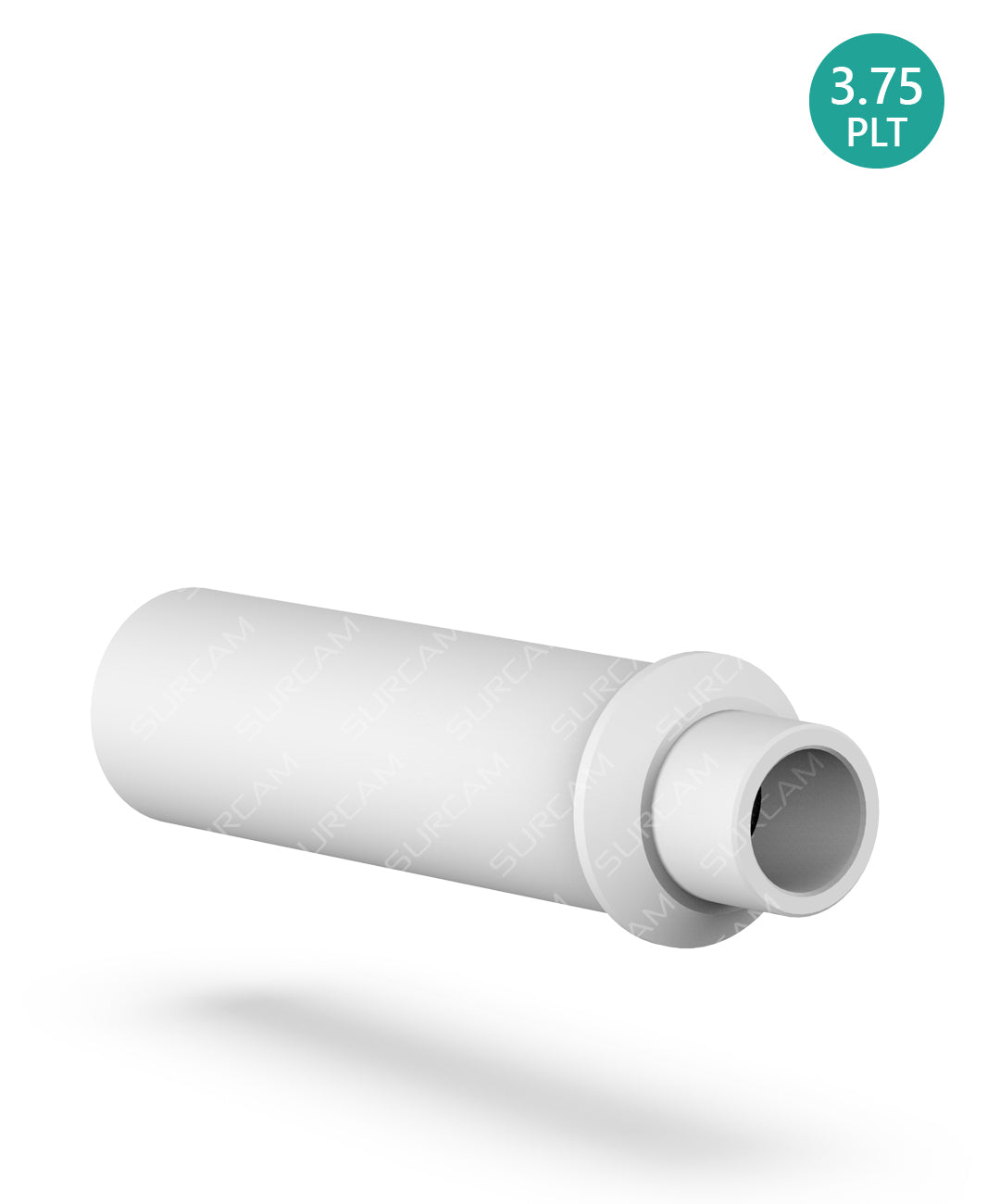
Use engaging components for single units to maintain anti-rotation and precise seating. Choose non-engaging components for splinted bridges or full-arch frameworks to allow a passive common path of insertion.
Which platform do these parts fit?
All items in this collection fit the internal hex 2.42/2.43 mm platform. Match casting abutments, burnout copings, screws, transfers, and analogs to the same platform to ensure proper fit and torque retention.
Are prosthetic screws and torque values included?
Yes. Components include compatible prosthetic screws and access to IFUs with recommended torque values for placement and documentation.
What materials can be used for casting?
Wax patterns can be cast in noble, high-noble, or cobalt-chromium alloys per lab protocol. Follow the investment and burnout schedules recommended by the alloy and coping manufacturer.
How do I control margins and cement space?
Position finish lines based on tissue thickness and esthetics so margins remain cleanable. Use calibrated die spacers or lab software settings to achieve controlled cement space and reduce residual cement risk.
Do you support digital alternatives to casting?
Yes. If a milled solution is preferred, pair internal hex Ti-bases with scan bodies and library files to produce custom abutments or frameworks via CAD/CAM.