
Skip to content
Implant Instruments

Dental Implant Instruments & Tools

Surgical, prosthetic and maintenance tools for dental implant work, built around one protocol.

Global Shipping

Fast & reliable delivery

Clinician Support

Experts by your side

Secure Payments

100% safe & encrypted

FDA 510(k) Cleared

K242217 · Surcam Implant System

Need bulk pricing?

Exclusive pricing for clinics and distributors.

Contact Sales

Buy Dental Implant Instruments & Tools Online

24 items

Every dental implant tool Surcam makes, on one page: the surgical instruments that prepare the site, the drivers and wrenches that seat implants and screws, and the tools for maintenance and retrieval. All of them are built around Surcam's own protocol, the same one used in the Surcam surgical kit for the internal hex and conical connection lines.

Surgical instruments

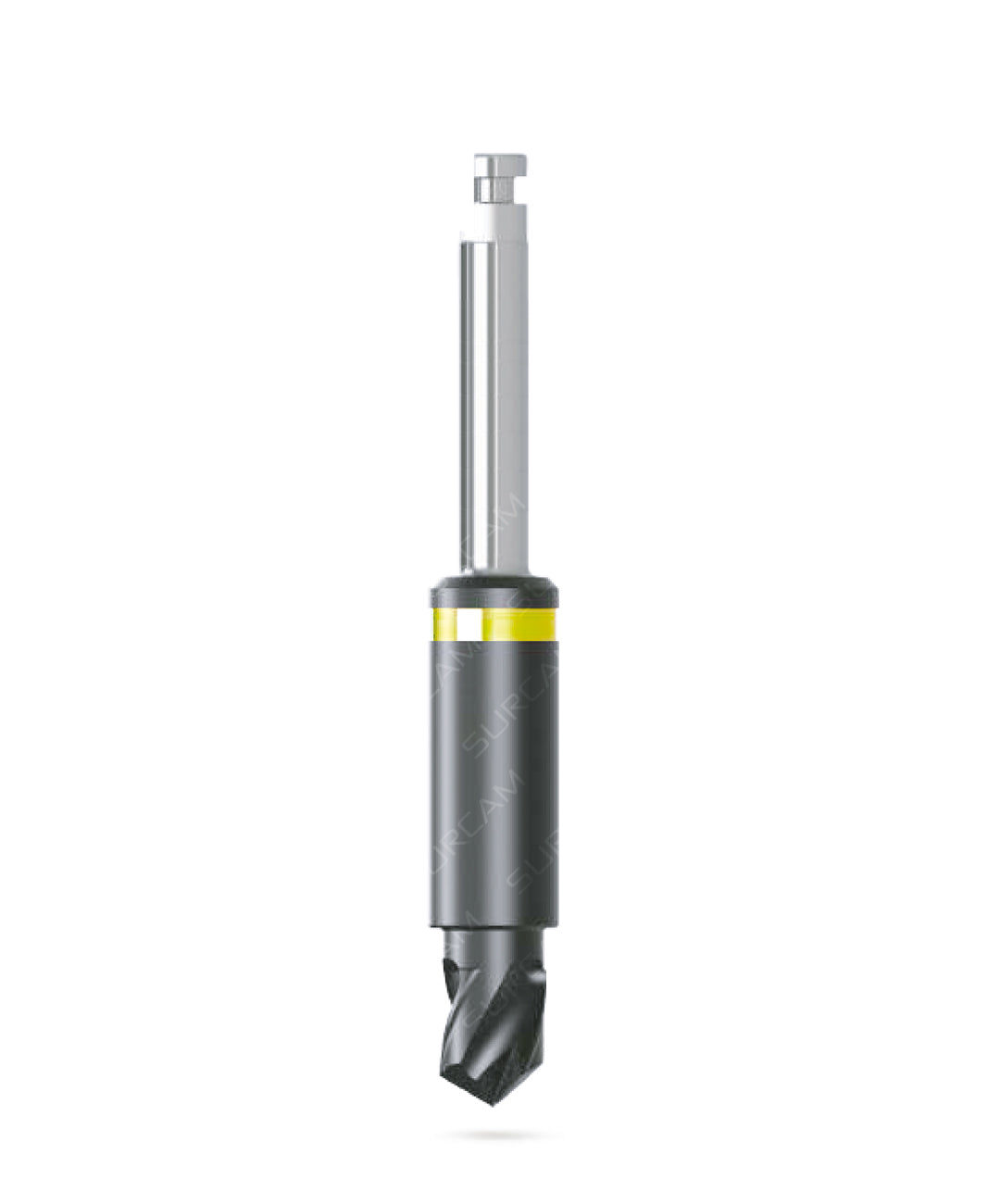
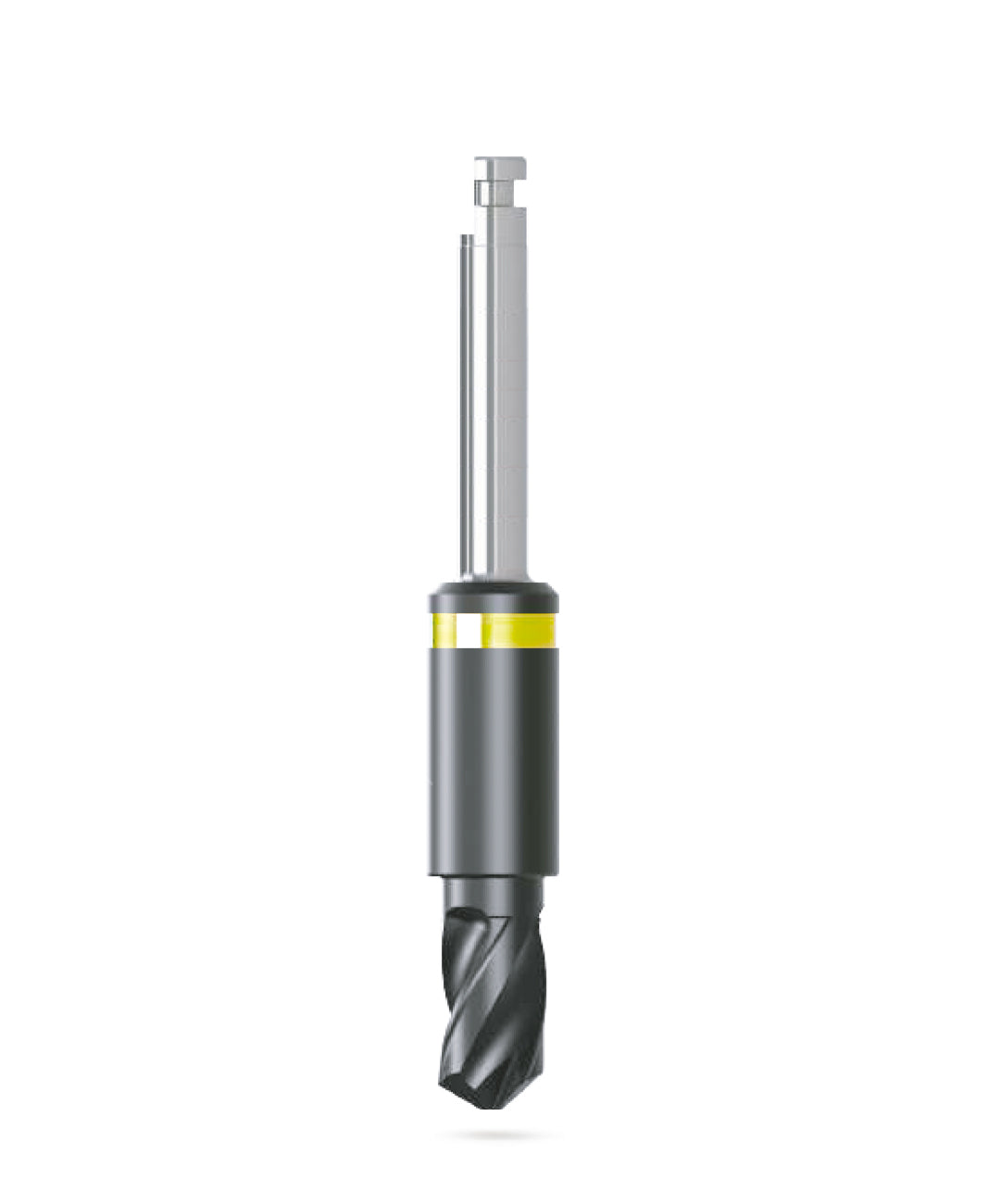
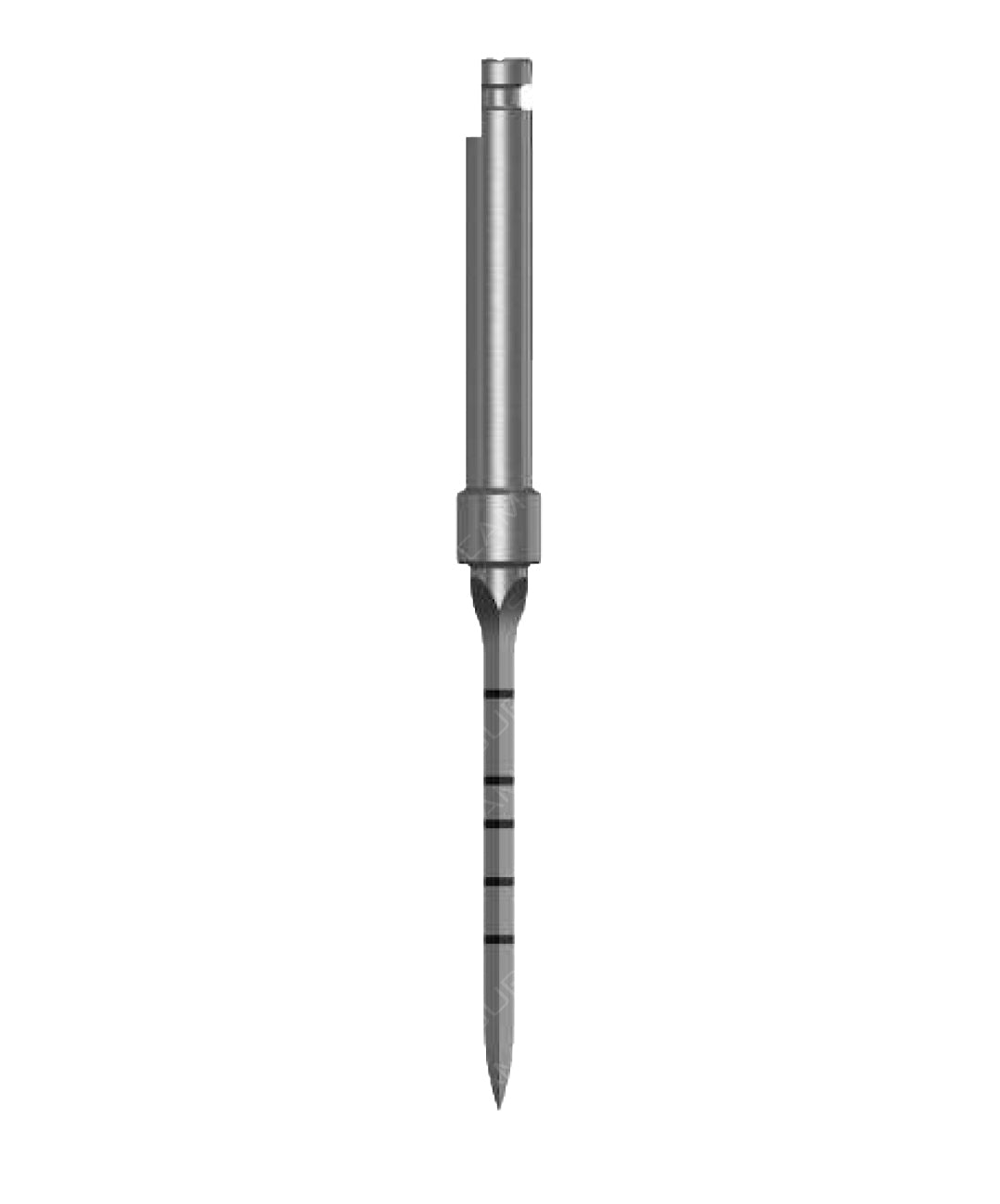
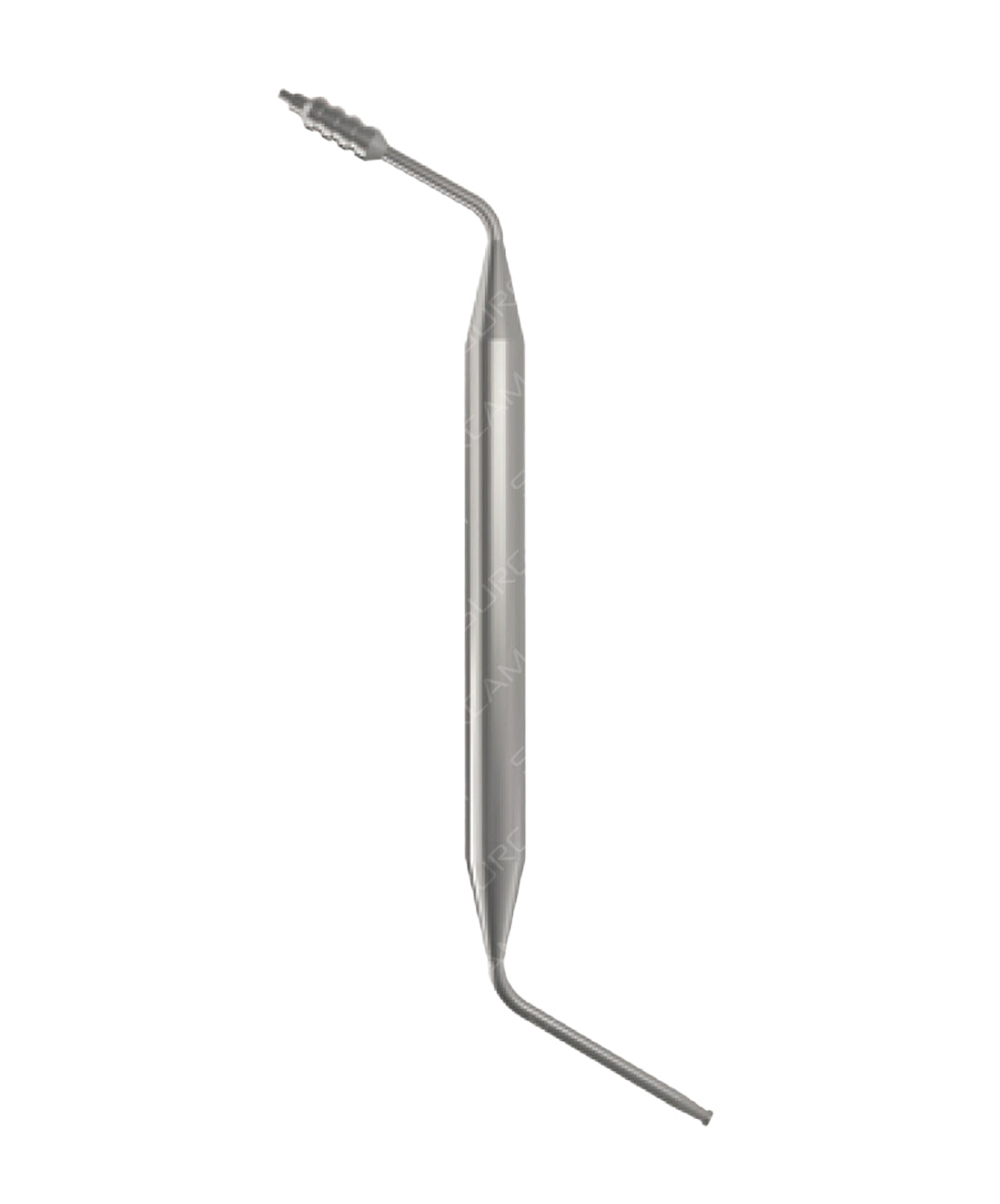
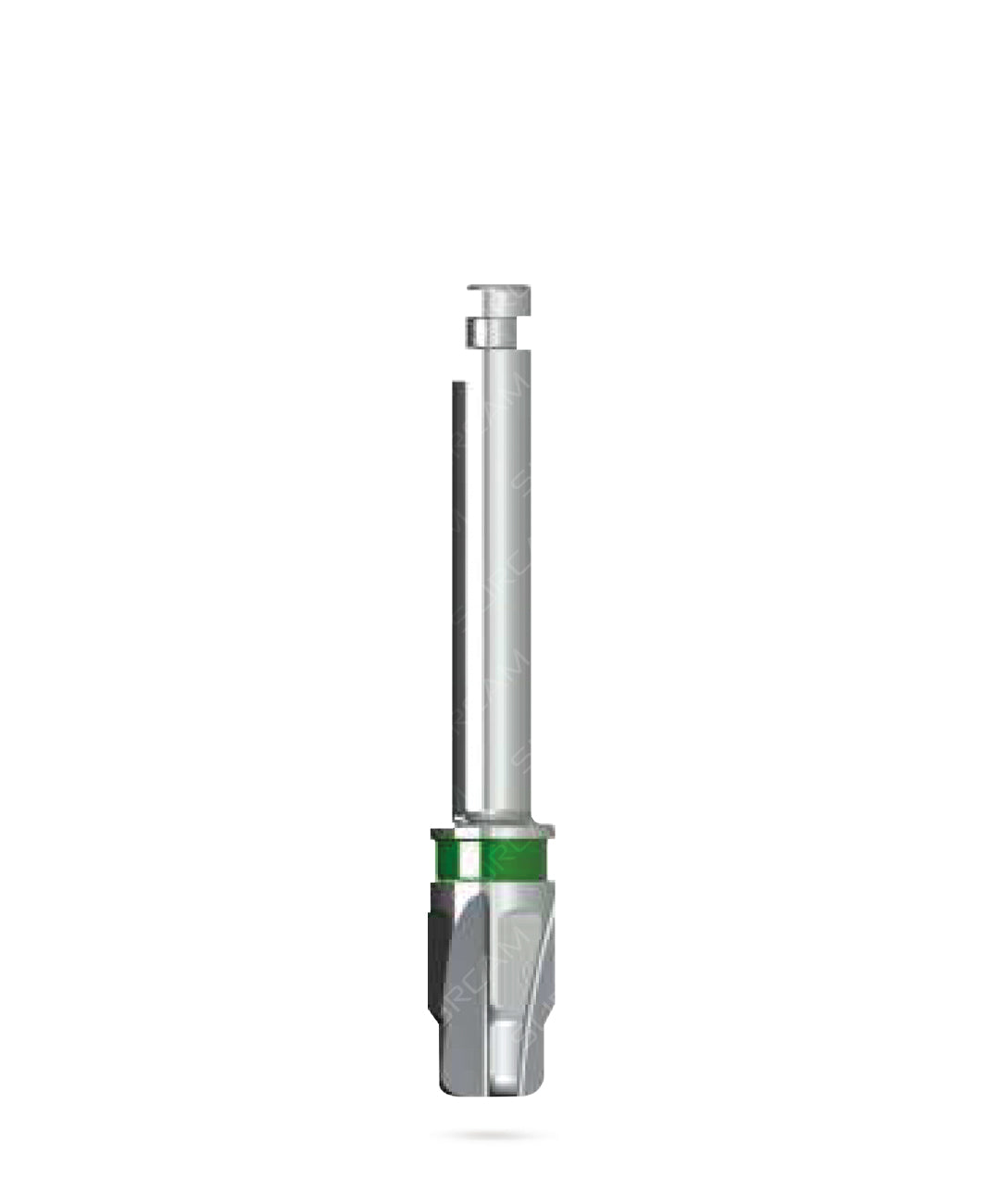
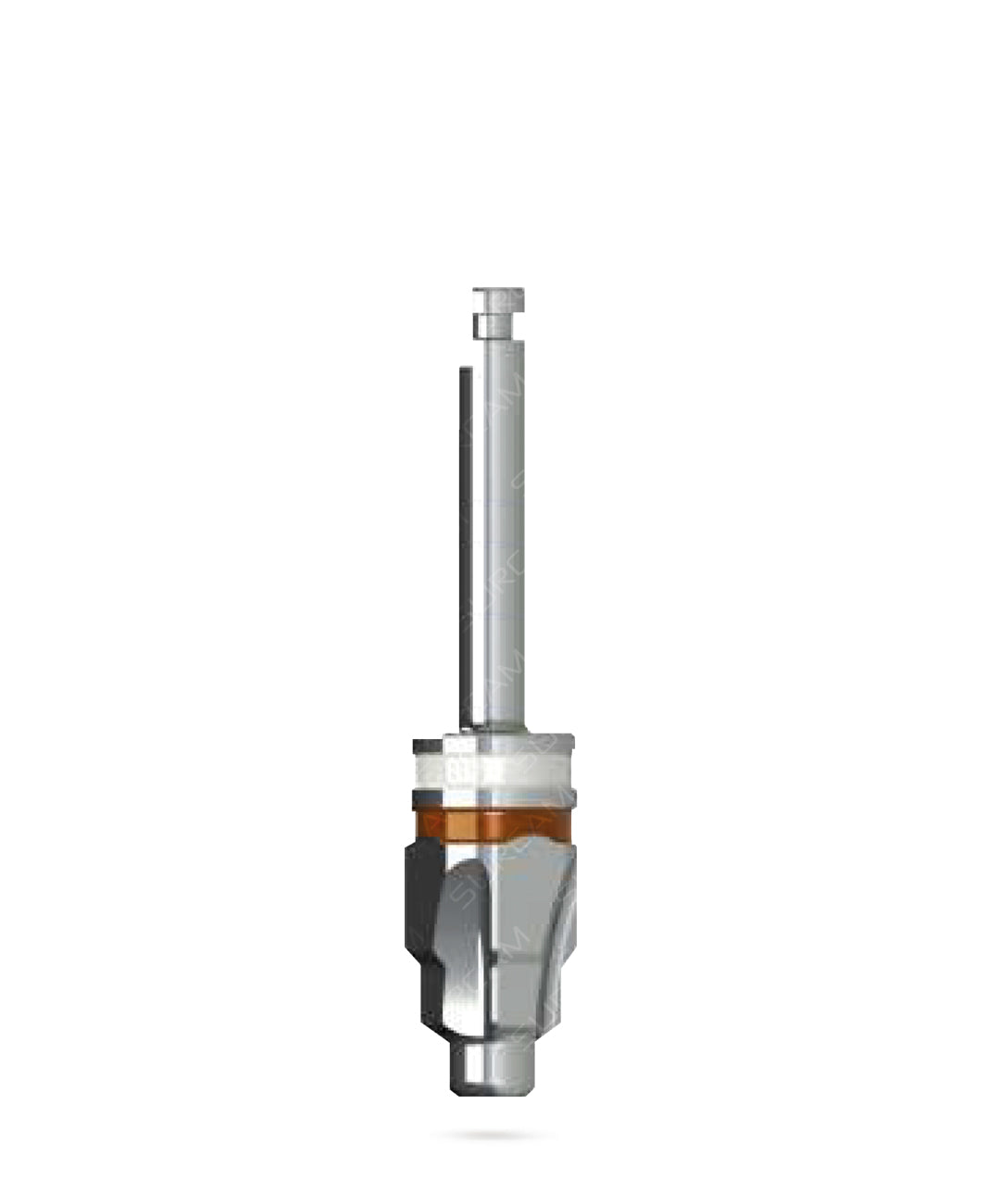
Mark the site with the Ø2.0 marking lance, set depth with the Ø2.5 pilot drill and its integral stopper, then shape the crest with countersinks for standard (Ø3.75 to 4.2) and wide (Ø5 to 6) platforms. Short and long parallel pins check the drilling axis, the Z-shaped probe and spacer checks depth and spacing, and the drill extender reaches deep sites. See all implant drills.

Drivers, wrenches and ratchets

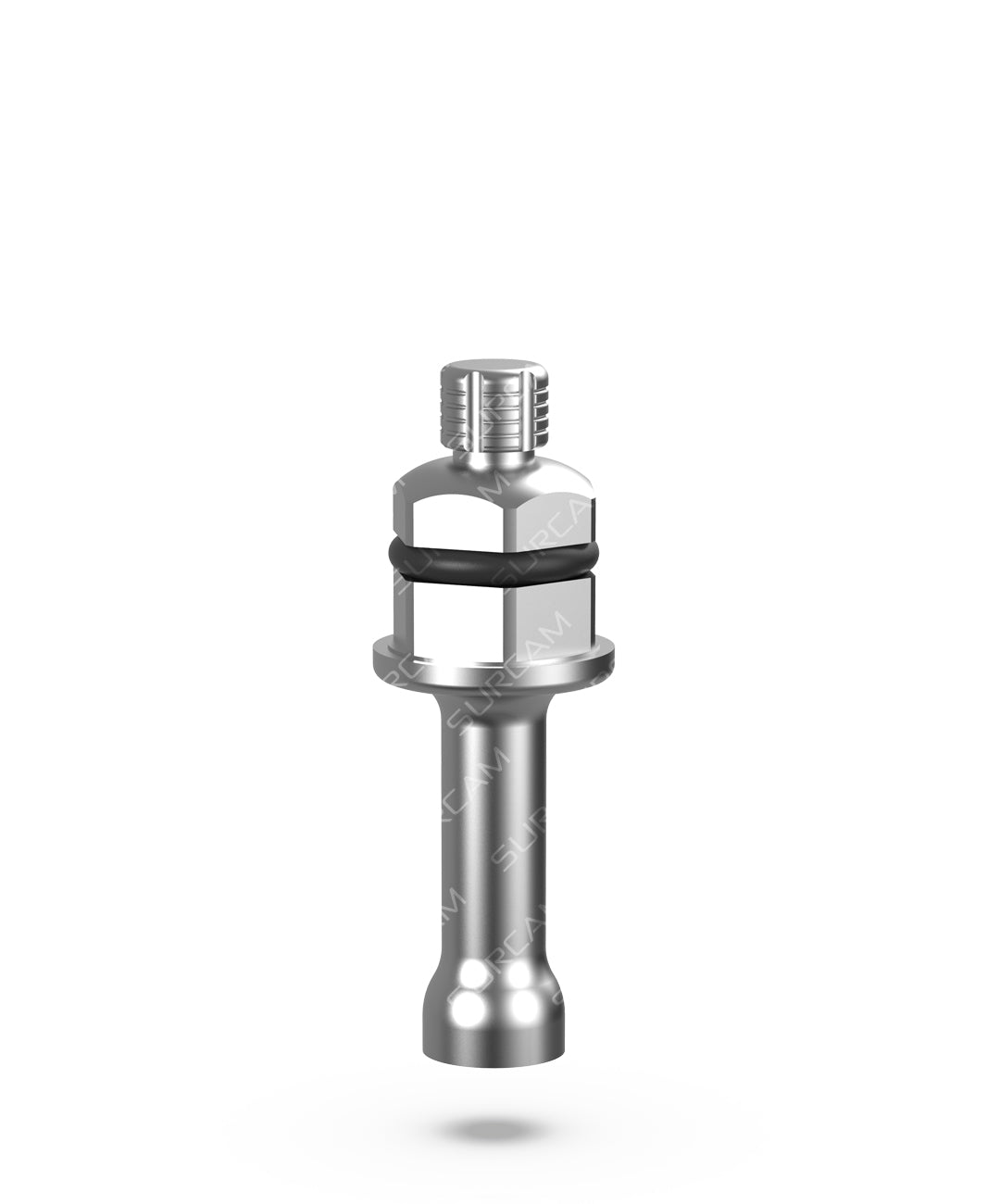
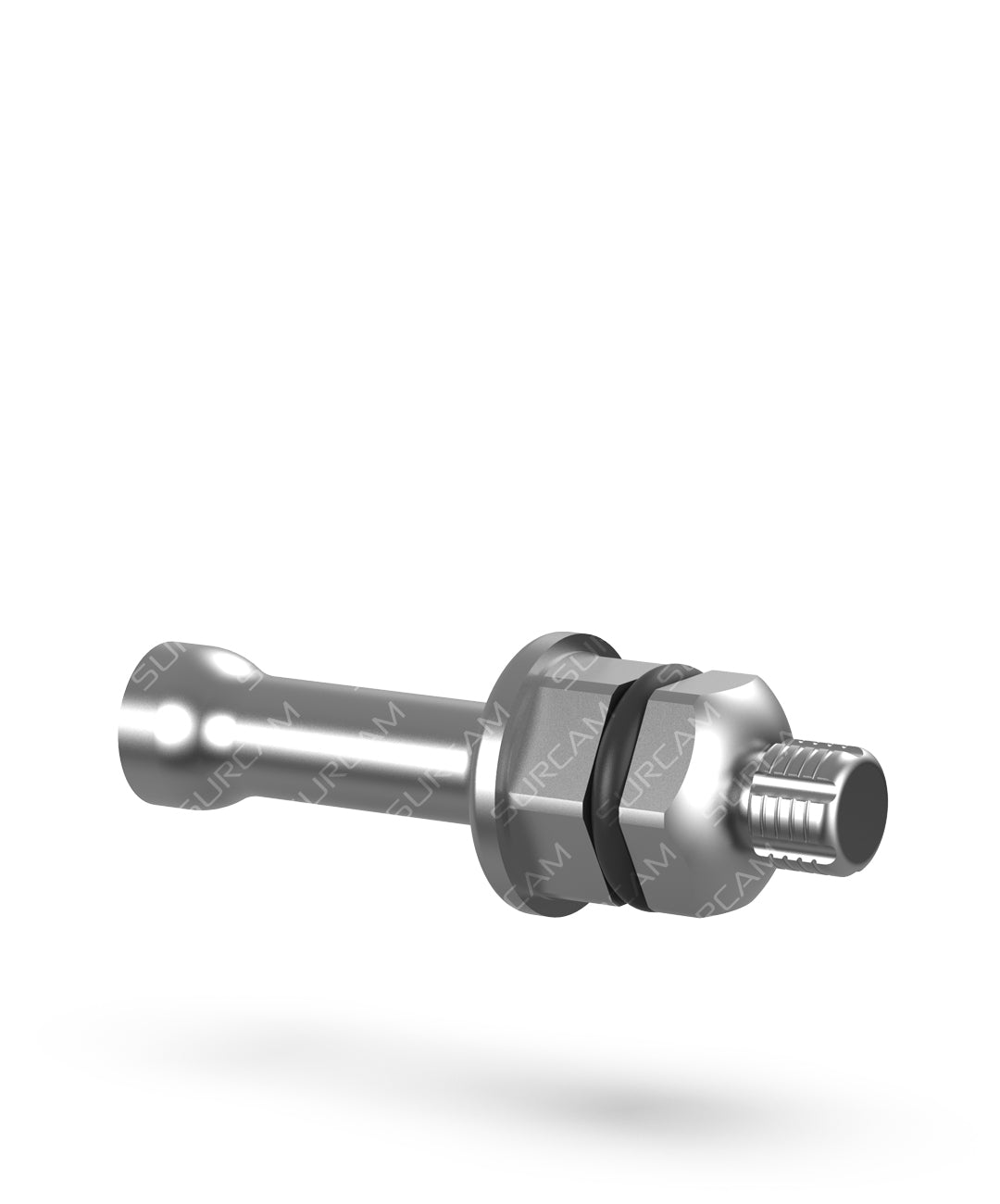
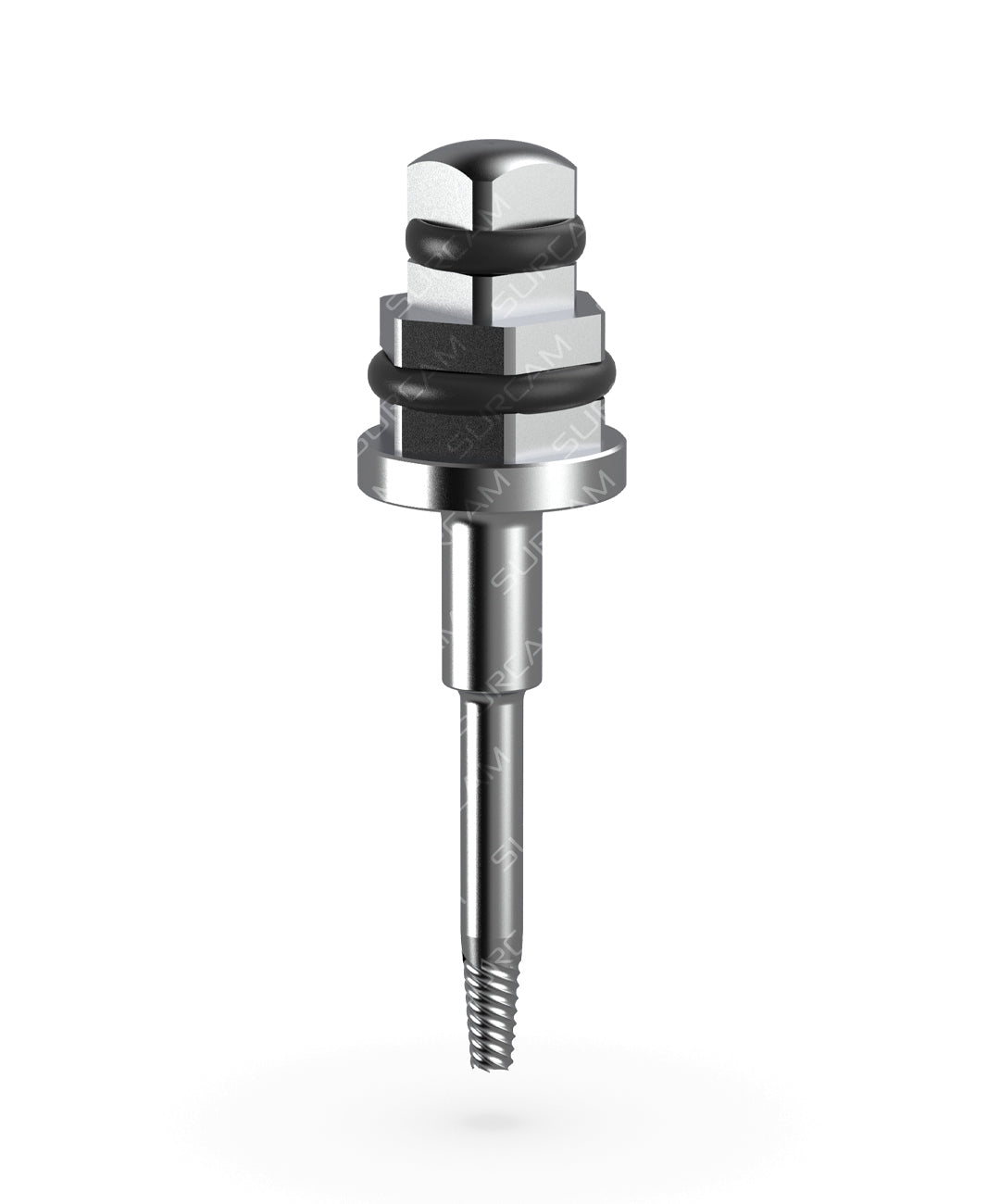
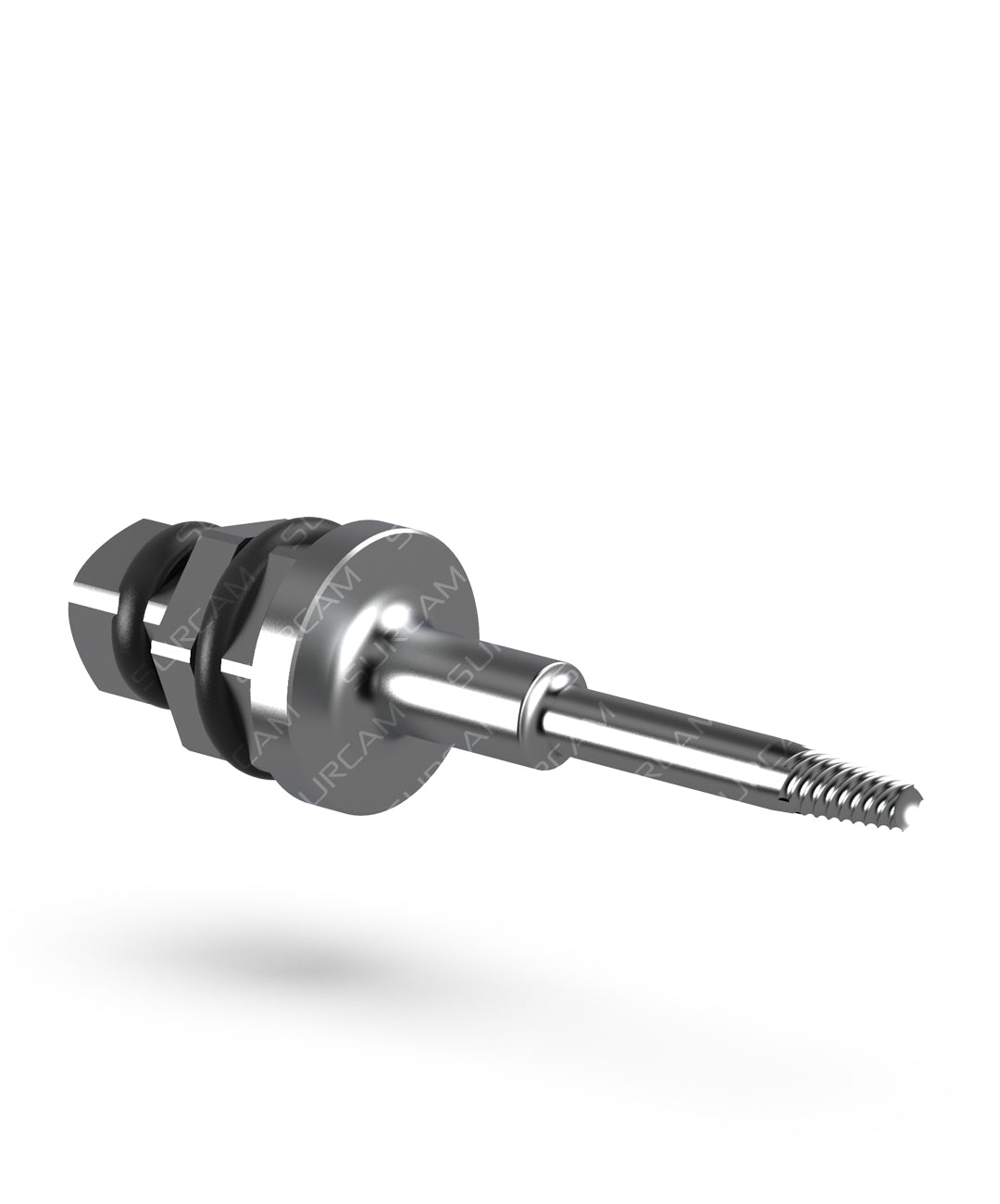
Implant drivers engage the 2.43 mm internal hex, and screwdrivers engage the 1.27 mm hex of abutment and prosthetic screws, in manual and machine versions. The torque ratchet and regular ratchet take every driver through a 6.35 mm hex drive, and 10 mm and 12 mm handle adaptors add leverage. See implant drivers and torque wrenches.

Maintenance and retrieval

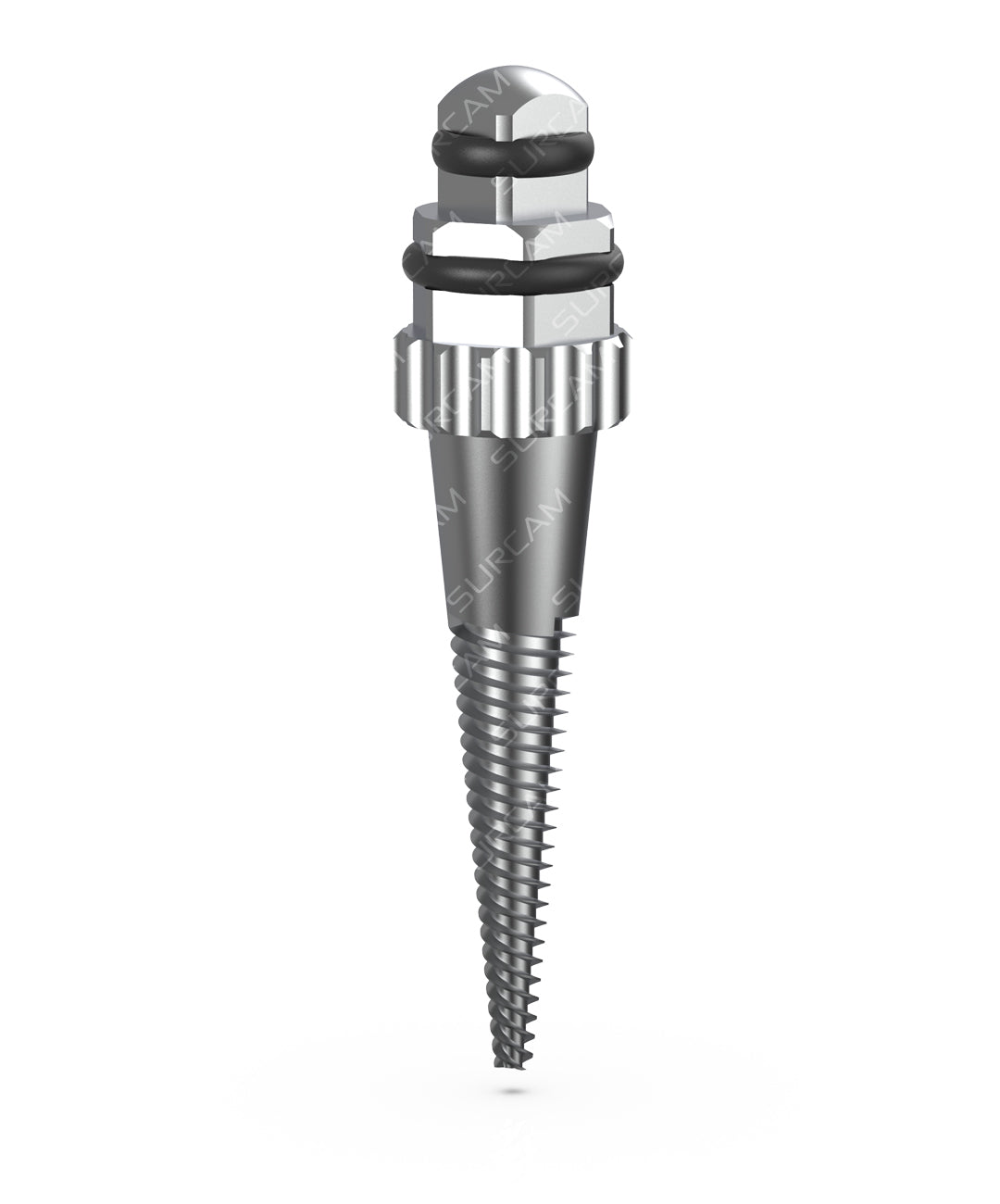
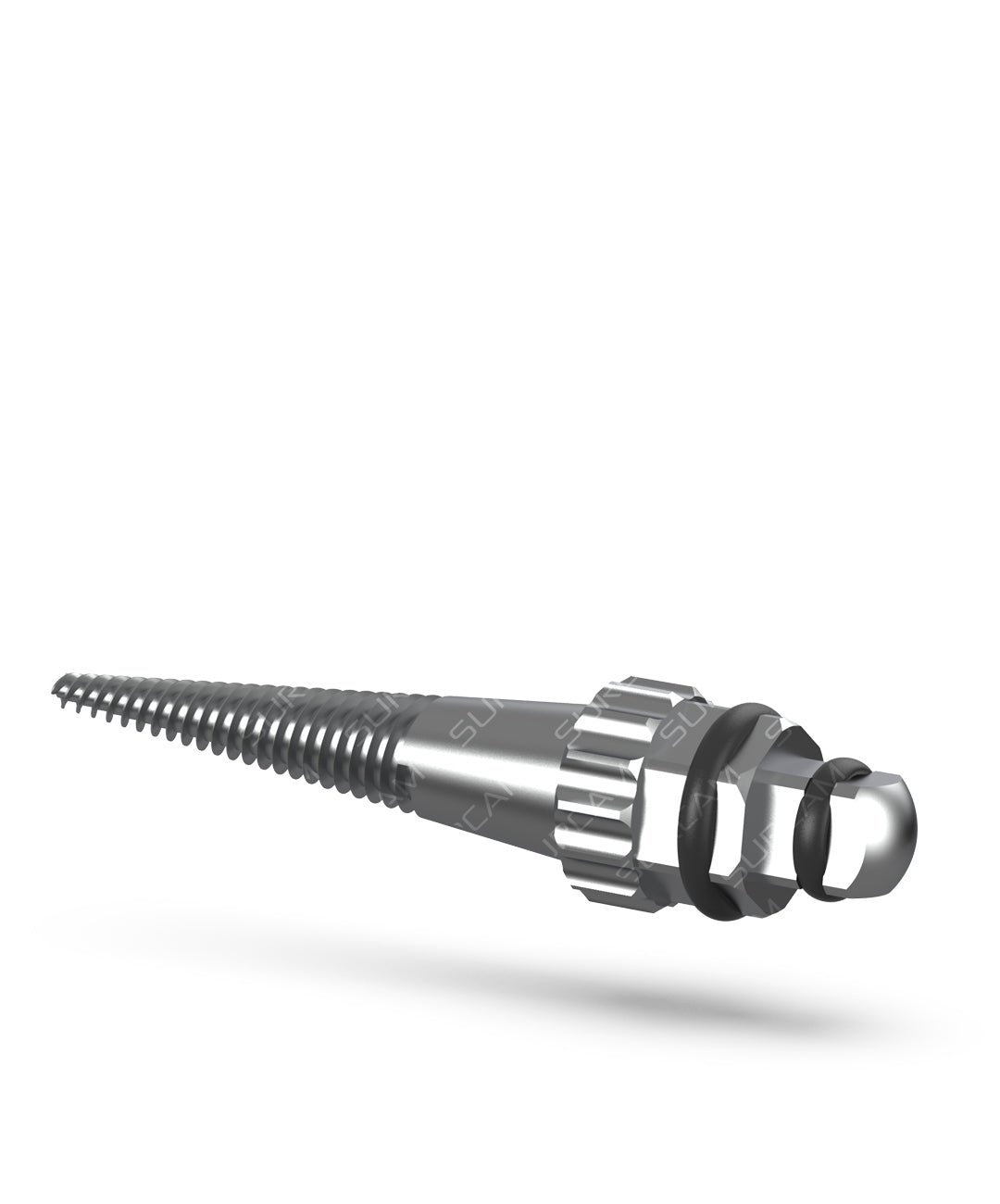
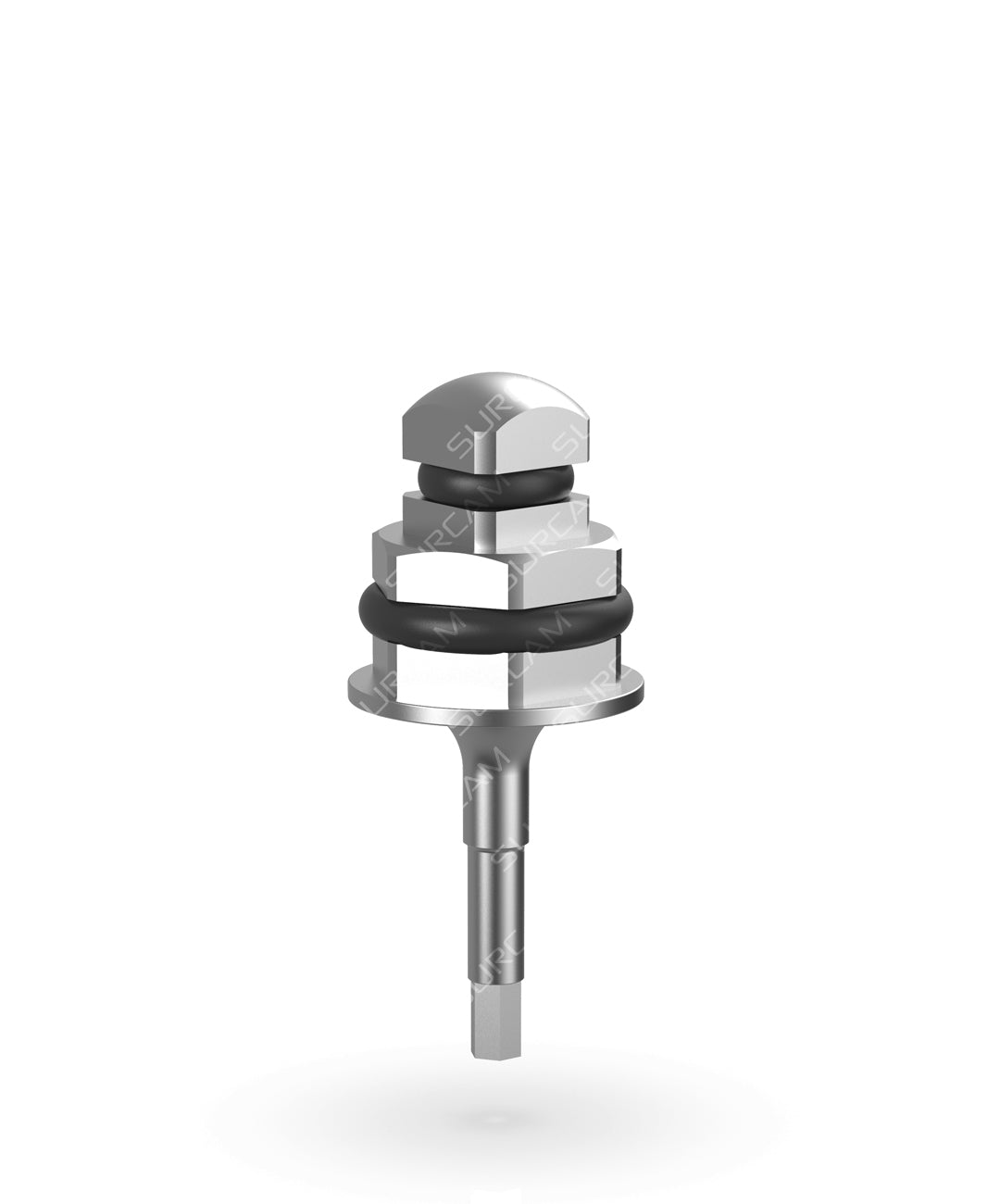
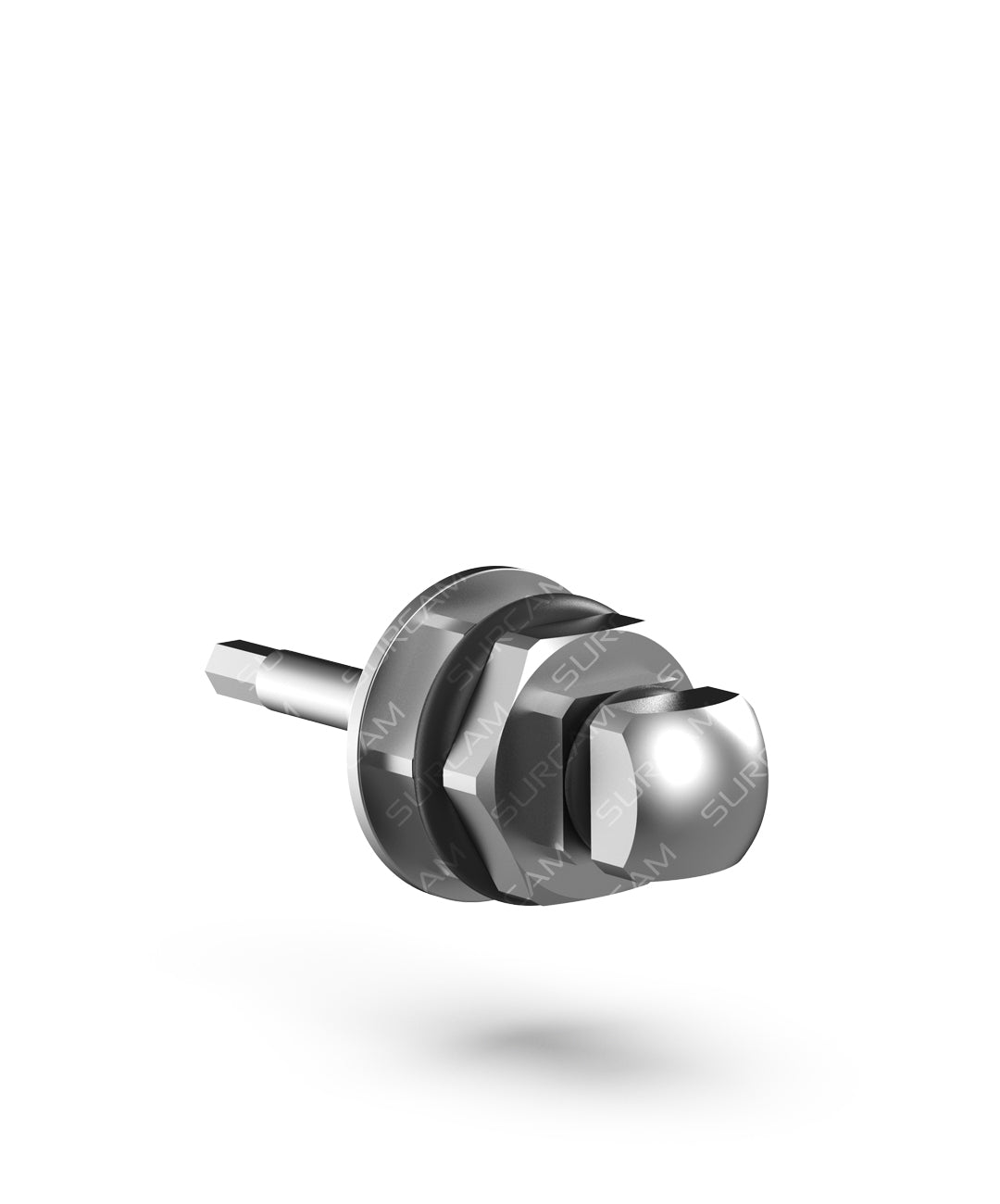
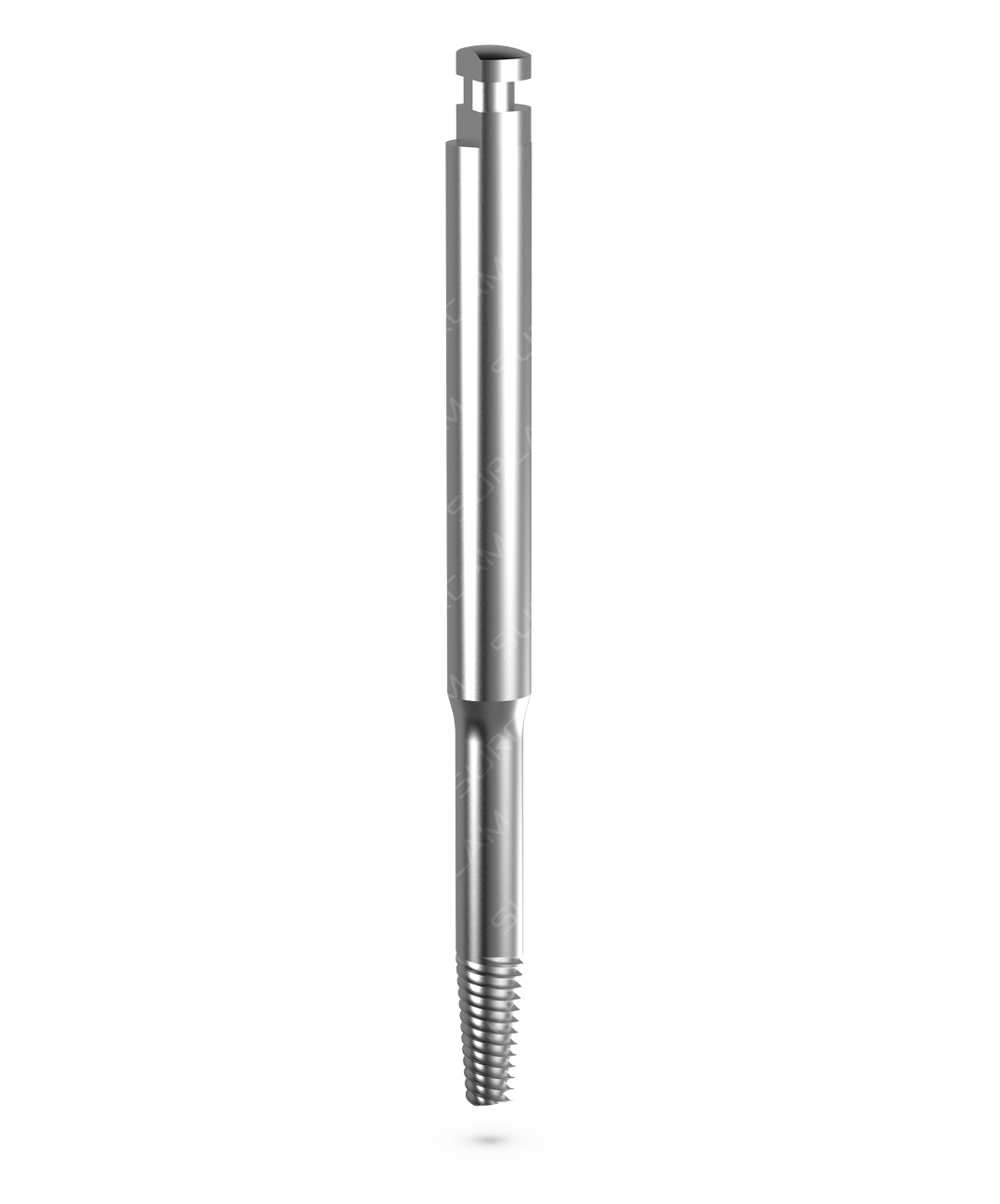
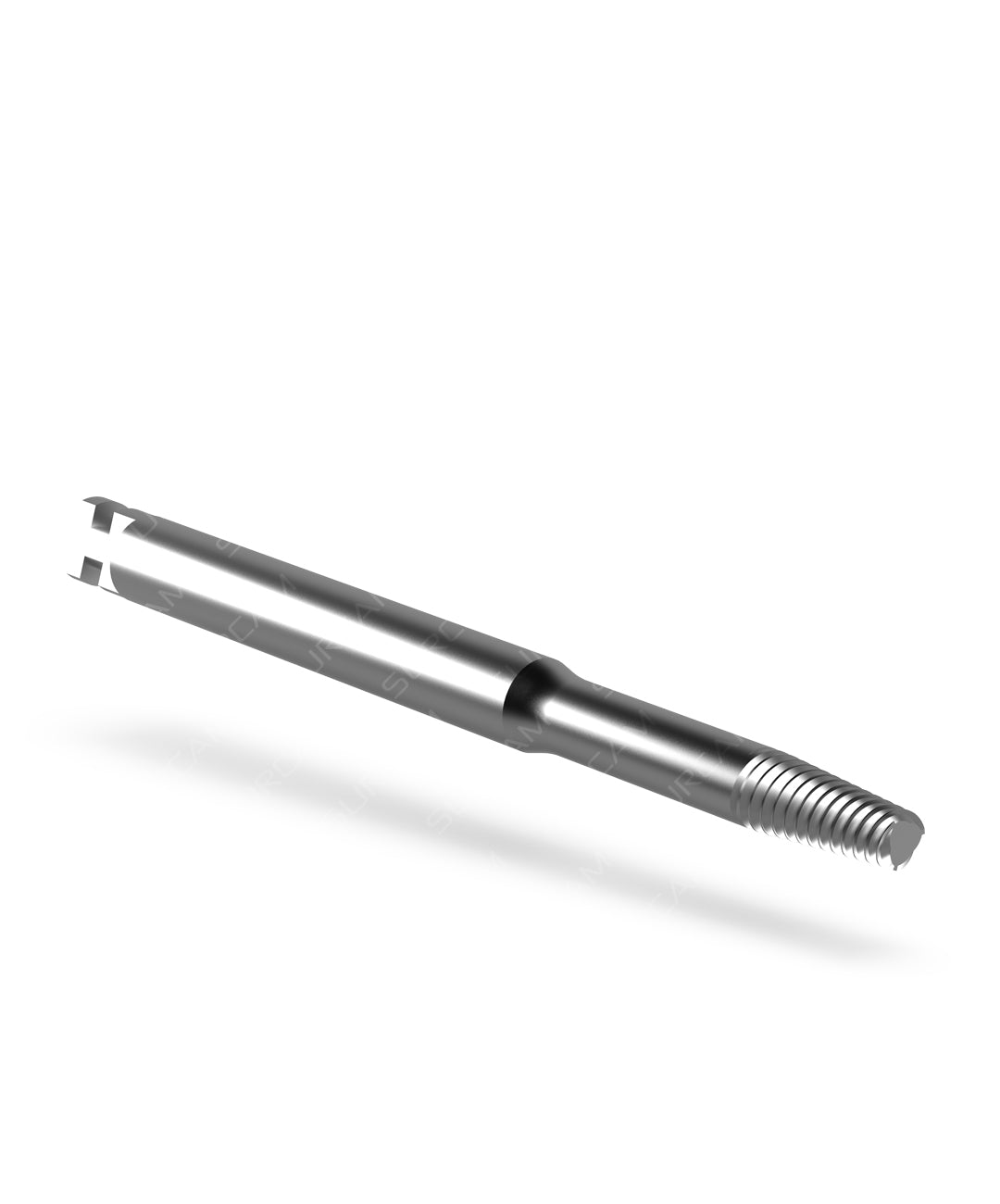
Hand and machine screw release keys loosen stuck screws, and the Corkskey extractor removes damaged screws and failed implants. See implant screw removal tools. For overdentures, the Wise-Lock tool and the angle and height gauge set are here too.

Dental implant tools fall into three groups: surgical instruments that prepare and check the site, drivers and wrenches that place implants and tighten screws, and maintenance tools that release or retrieve screws later. Surcam makes all three around a single protocol, so the same instruments work for its internal hex and conical connection implant lines.

The surgical set runs from the Ø2.0 marking lance and Ø2.5 pilot drill to countersinks, parallel pins and a depth probe. Drivers engage the 2.43 mm implant hex and the 1.27 mm screw hex, and the torque ratchet keeps insertion torque within 50 Ncm. All instruments are supplied non-sterile.

Building your implant instrument set

Prepare the site

A marking lance starts the osteotomy, a pilot drill with a stopper sets depth, and shaping drills and countersinks finish the site for the chosen implant diameter.

Check position

Parallel pins show the drilling axis and the relationship between sites. A depth probe confirms depth and spacing before the implant goes in.

Place and torque

An implant driver carries the fixture in, and a torque ratchet keeps insertion torque within the 50 Ncm limit in the Surcam protocol.

Restore and maintain

A 1.27 mm screwdriver seats abutment and prosthetic screws. Screw release keys and an extractor handle stuck or damaged screws later.

Care

Instruments are supplied non-sterile. Inspect each one for deformation, breakage or corrosion before use, and replace any worn or damaged tool.

Frequently Asked Questions

Dental implant tools FAQ

What tools are needed for dental implant surgery?

A basic implant setup covers four jobs: drills to prepare the osteotomy (a marking lance, a pilot drill, shaping drills and countersinks), instruments to check position (parallel pins and a depth probe), drivers to carry the implant in, and a torque ratchet to control insertion torque. A surgical kit keeps them together in one tray.

Which driver do I need for Surcam implants?

Use a 2.43 mm internal hex implant driver to place the implant, and a 1.27 mm hex screwdriver for abutment, multi-unit and prosthetic screws. Both come in a manual version and a machine version for the contra-angle.

What are parallel pins used for?

Parallel pins are placed in the pilot osteotomy to check the drilling axis and the parallelism between implant sites before you widen them. Surcam makes a short and a long version.

How much torque should I use when placing an implant?

The Surcam protocol limits insertion torque to 50 Ncm. Use the torque ratchet to measure it, and follow the IFU for abutment and prosthetic screw torque.

Are Surcam instruments sterile?

No. Surgical tools are supplied non-sterile. Inspect each instrument for damage before use, then clean and sterilize it as described in the IFU.

Guided selection

Find the right implant components in 4 steps.

1Workflow
2Connection
3Procedure
4Components
About 30 seconds

Need Support?

Our clinical support team is here to help with product, order and case inquiries.

Contact Support →

Bulk & Distributor Pricing

Custom pricing for clinics, labs and authorised distributors. Get a quote tailored to your volume.

Request pricing →

Get the Right Implants, Right on Time

Order online with confidence — from single cases to bulk supply. Our team is here to help you select the right components and get them delivered fast.

Add Special instructions for your order
Coupon Code