
Skip to content
Impression & Lab

Impression Copings & Lab Analogs

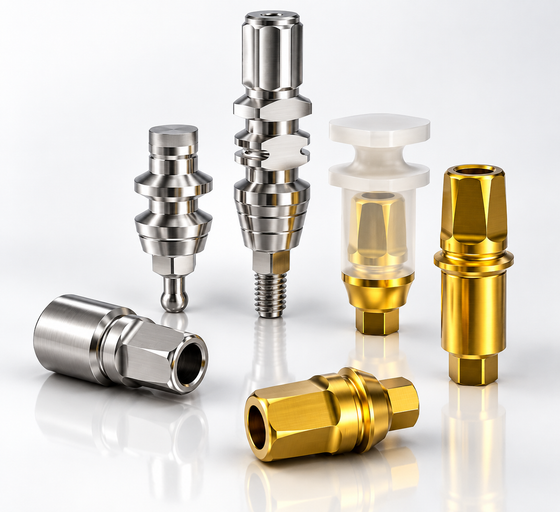
Implant analogs and matching impression copings for every platform, from the impression in the clinic to the master model in the lab.
Impression Copings & Lab Analogs

Global Shipping

Fast & reliable delivery

Clinician Support

Experts by your side

Secure Payments

100% safe & encrypted

FDA 510(k) Cleared

K242217 · Surcam Implant System

Need bulk pricing?

Exclusive pricing for clinics and distributors.

Contact Sales

Buy Impression Copings & Lab Analogs Online

29 items

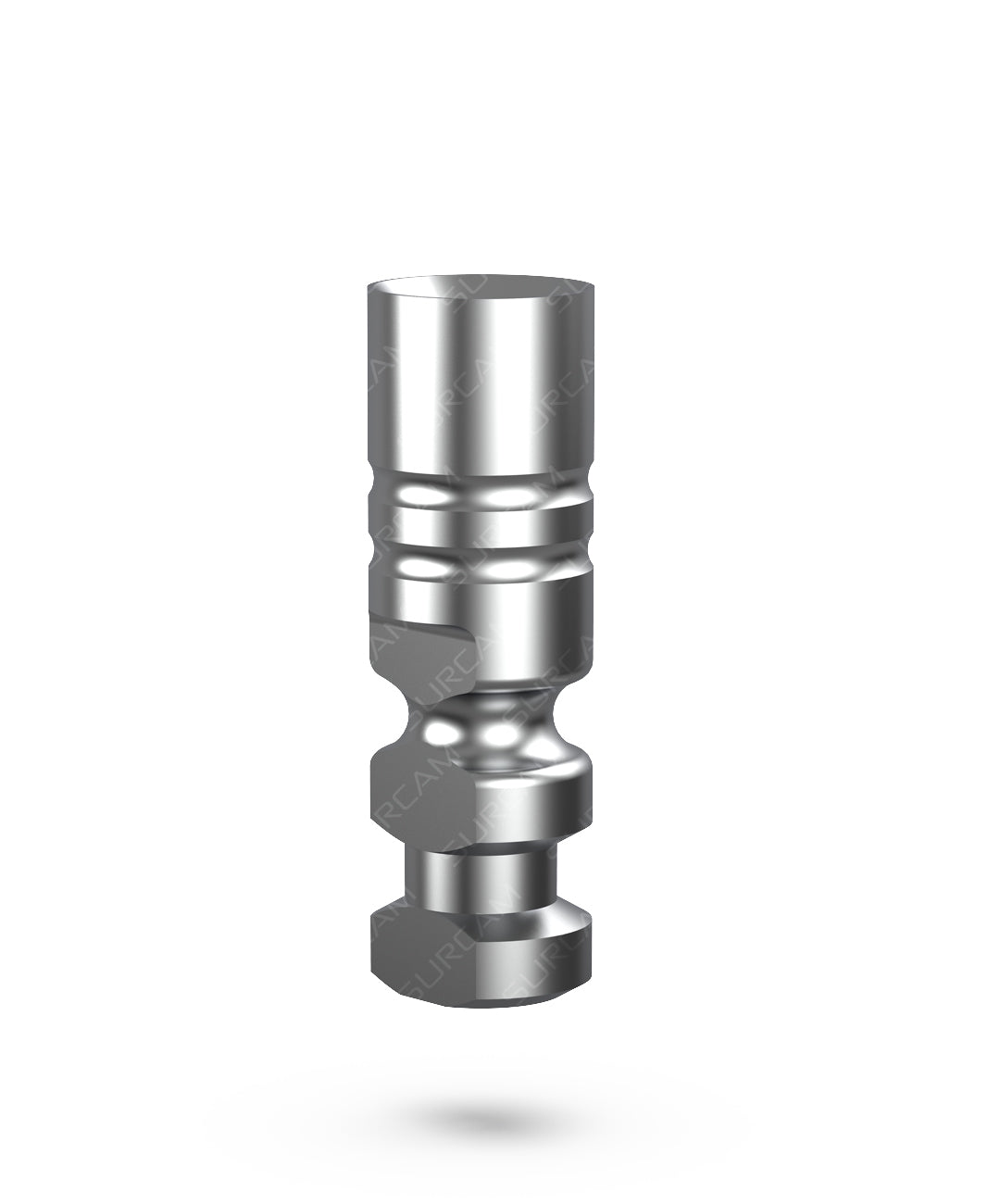
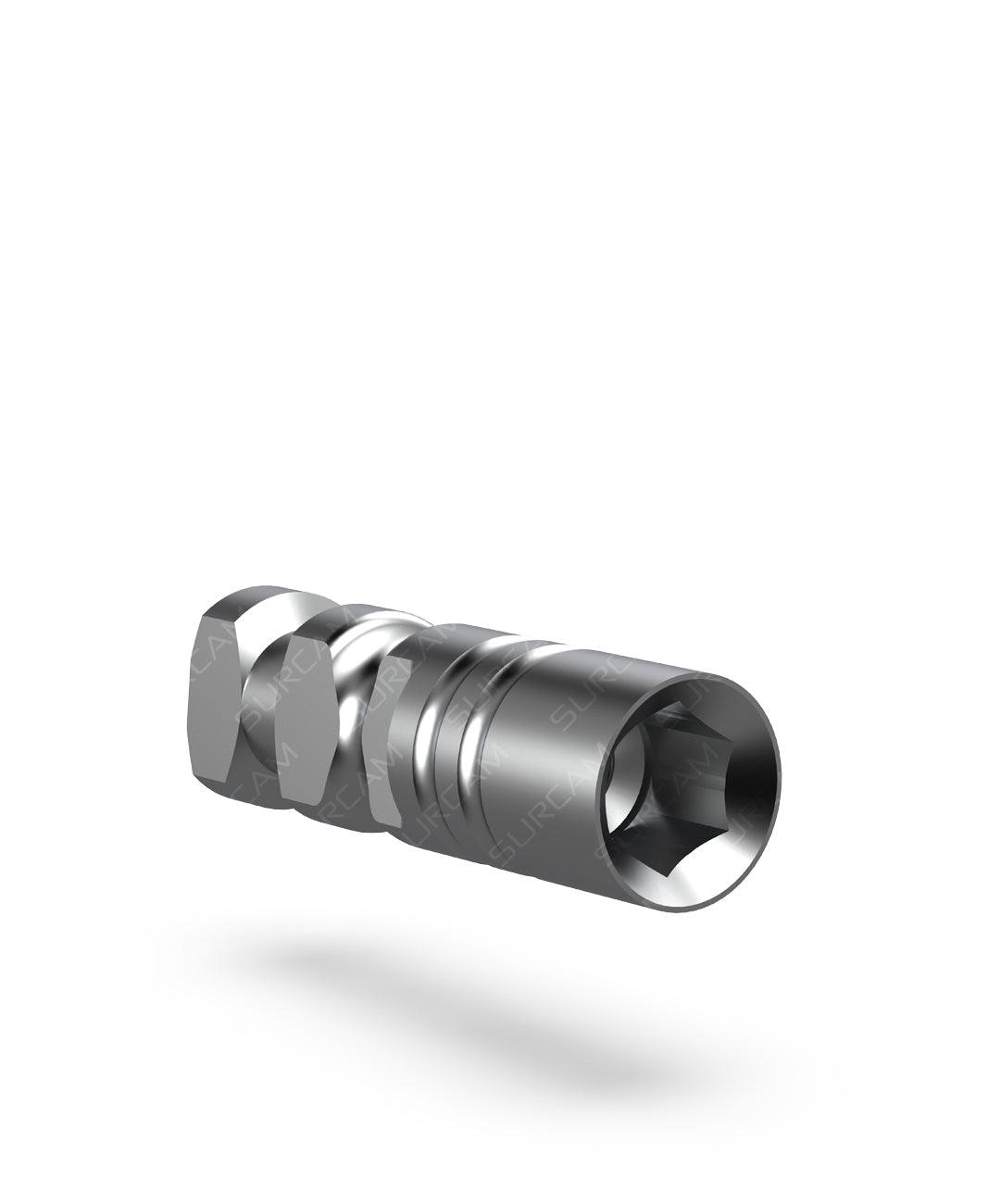
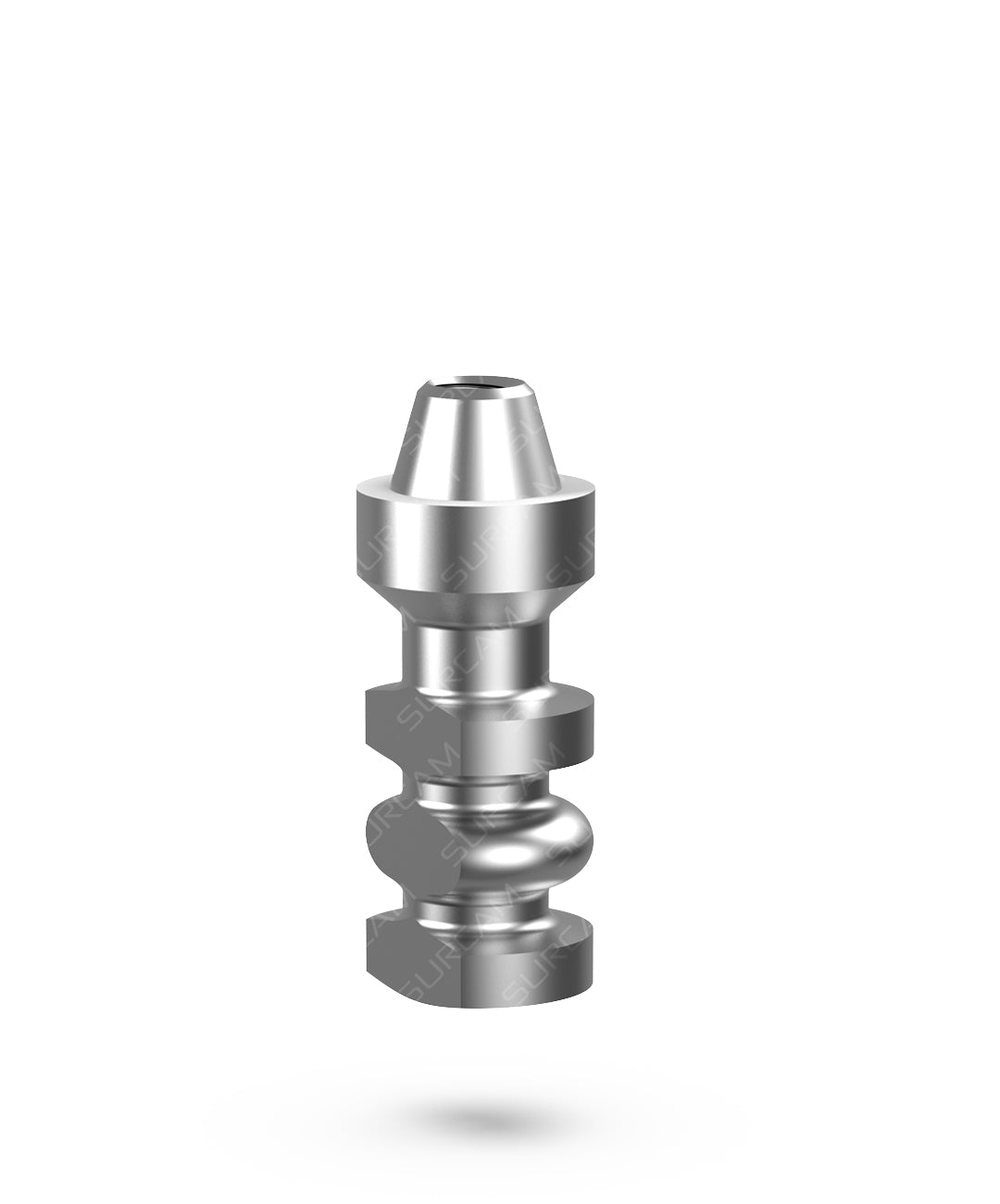
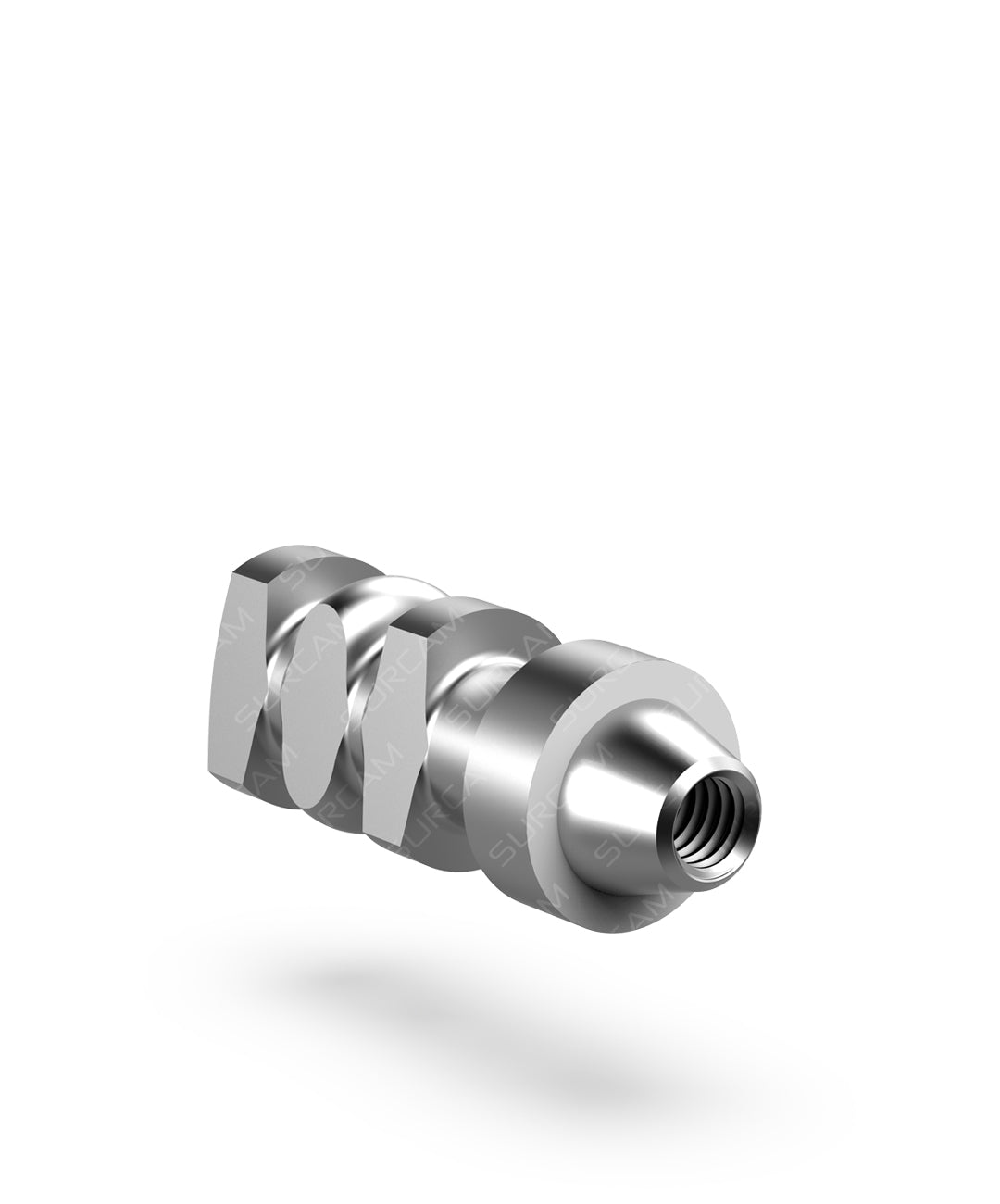
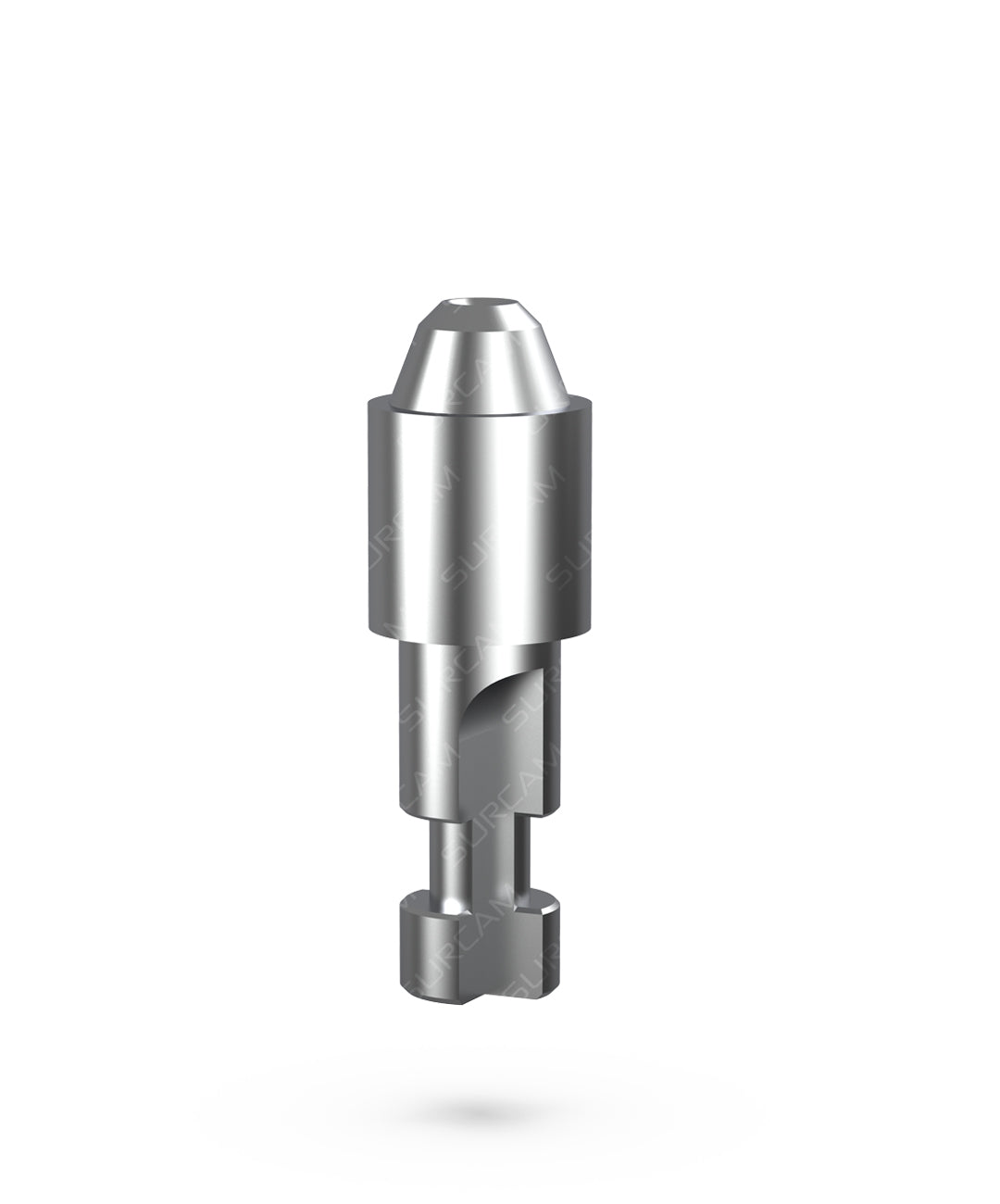
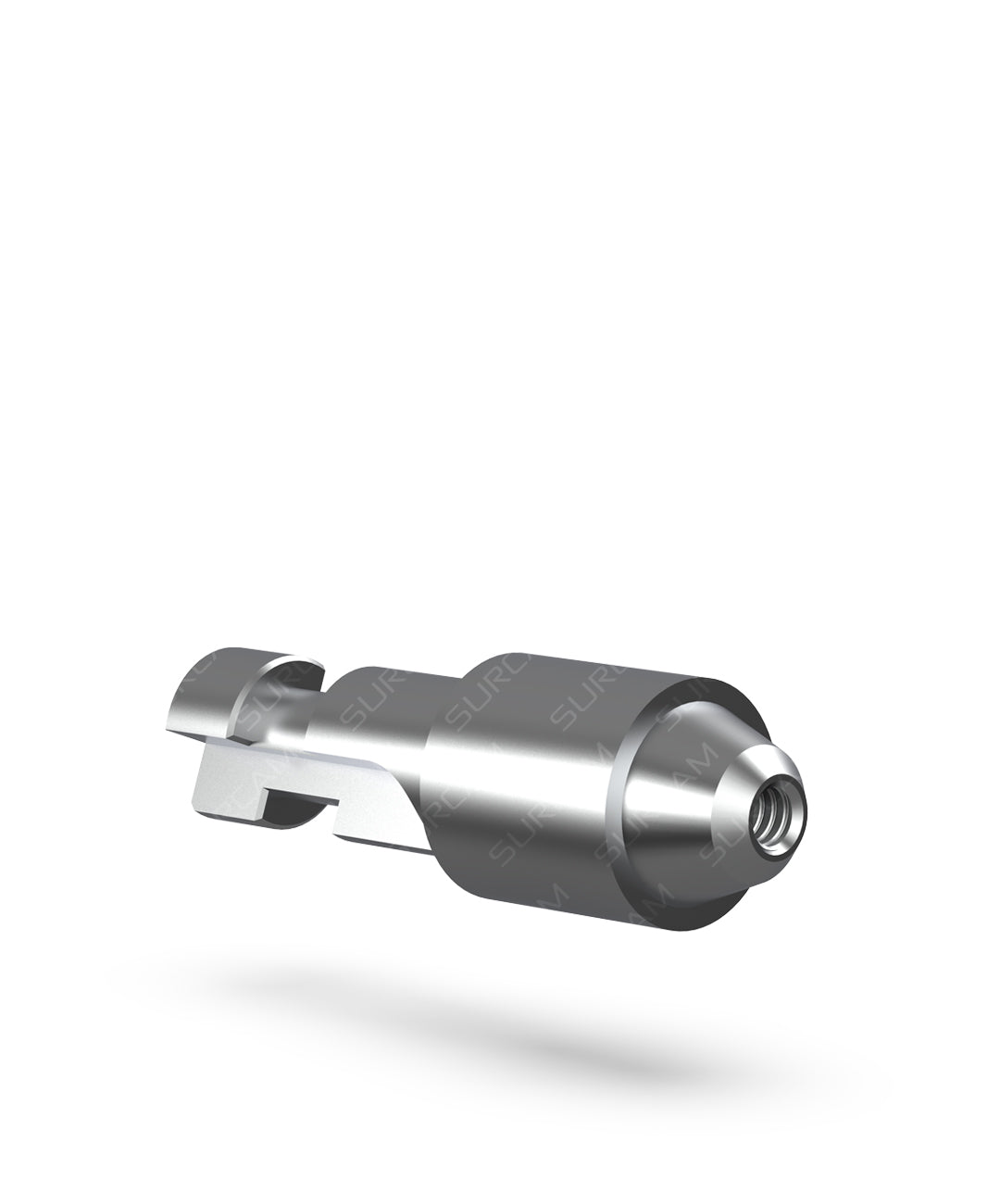
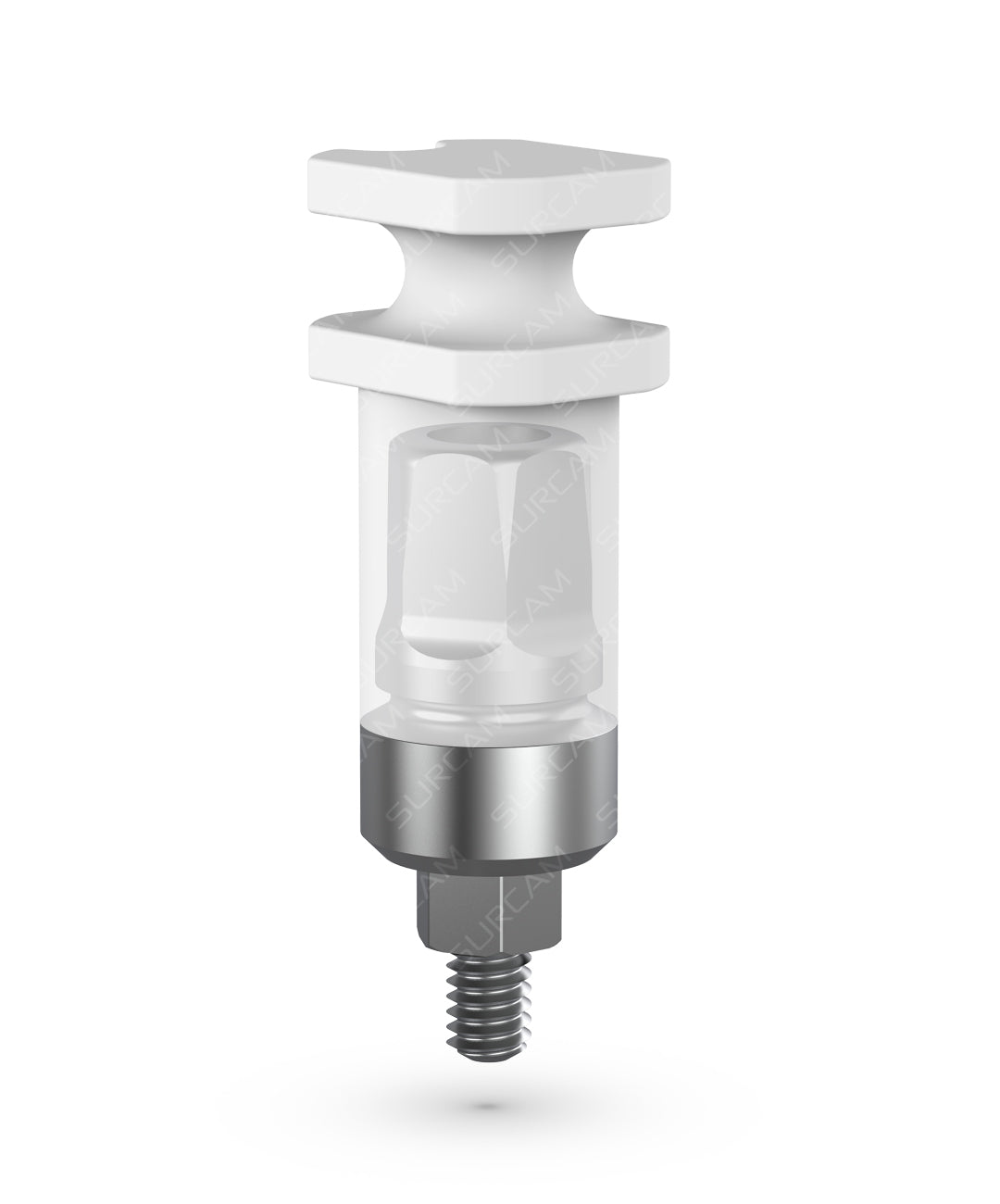
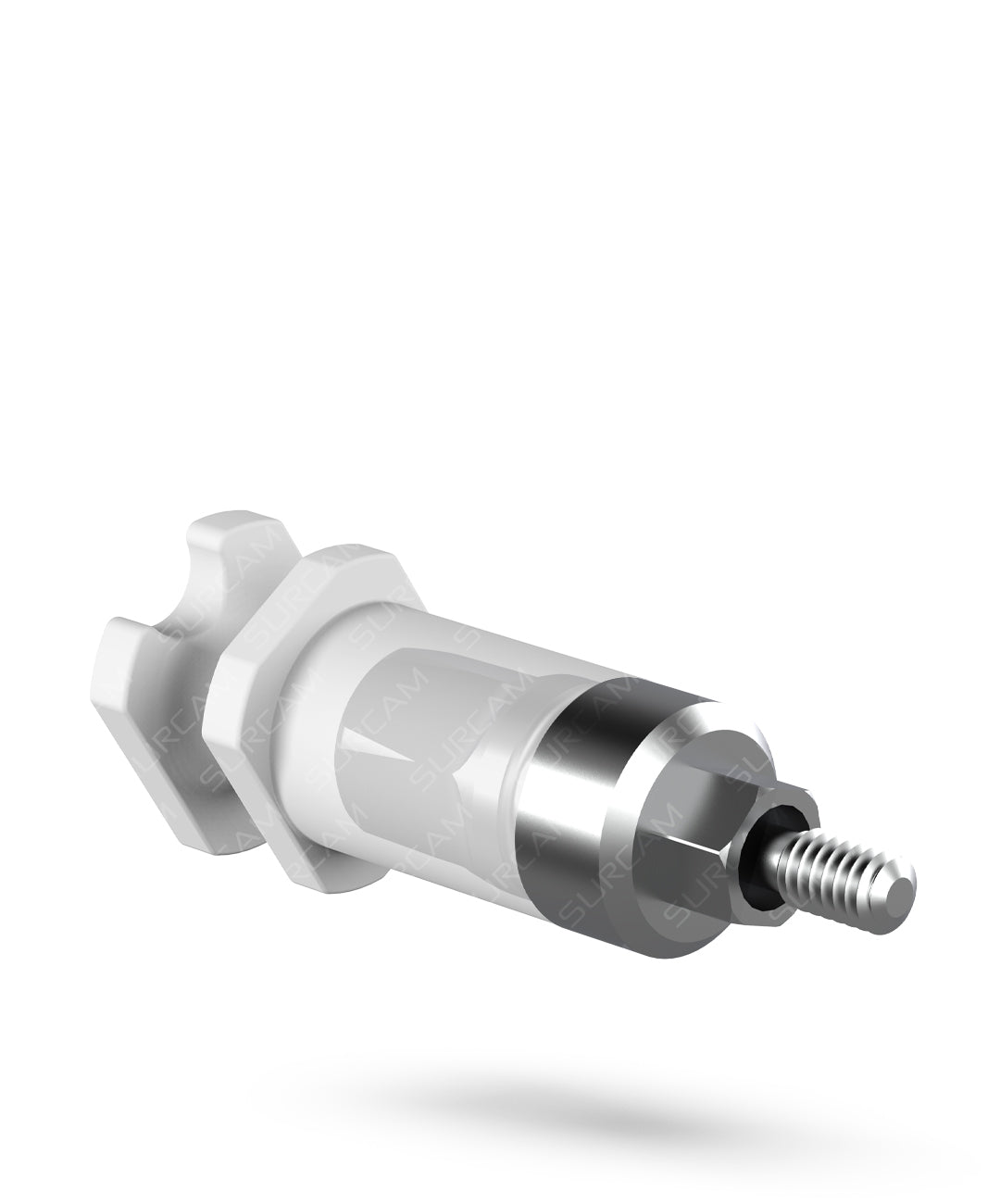
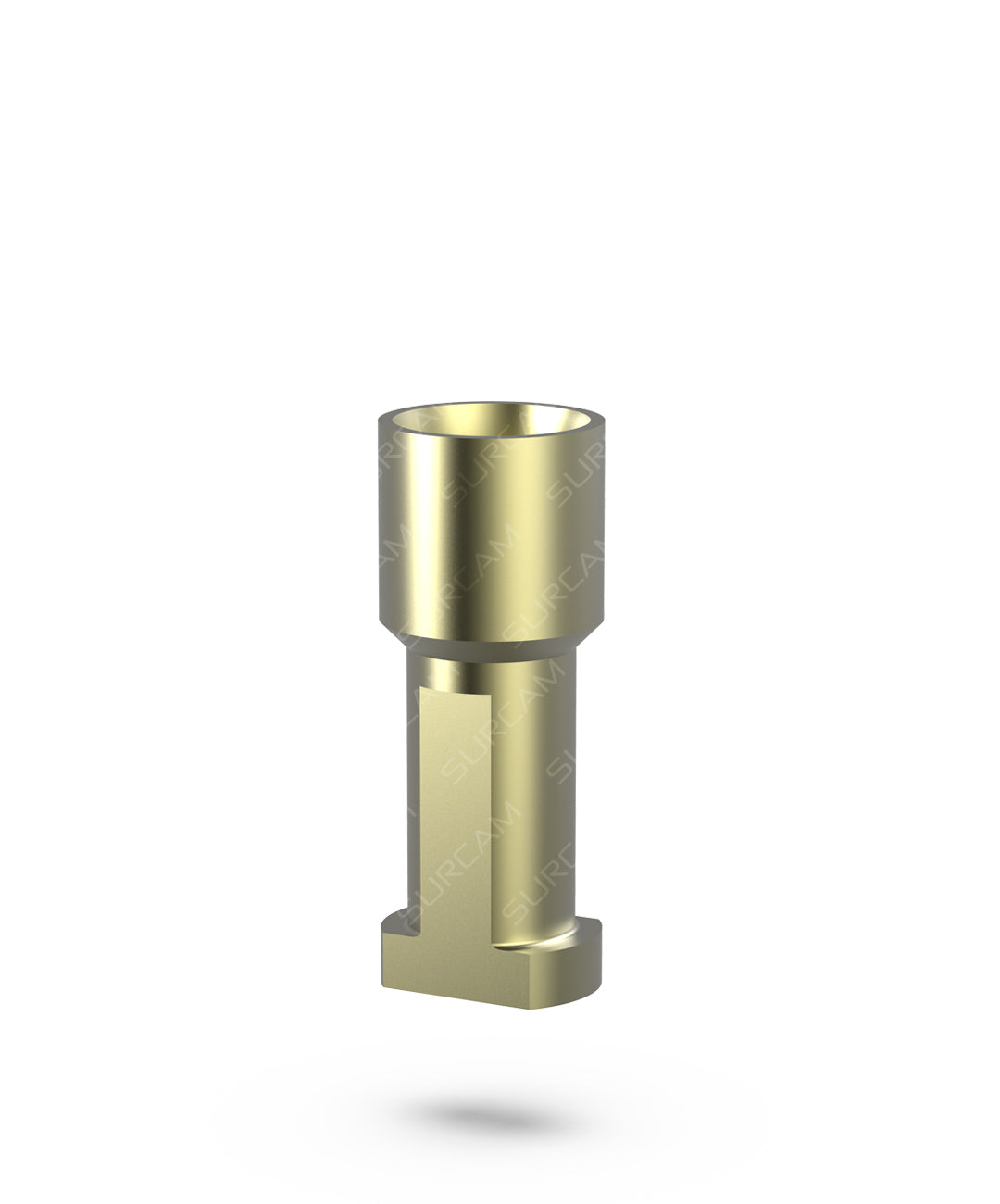
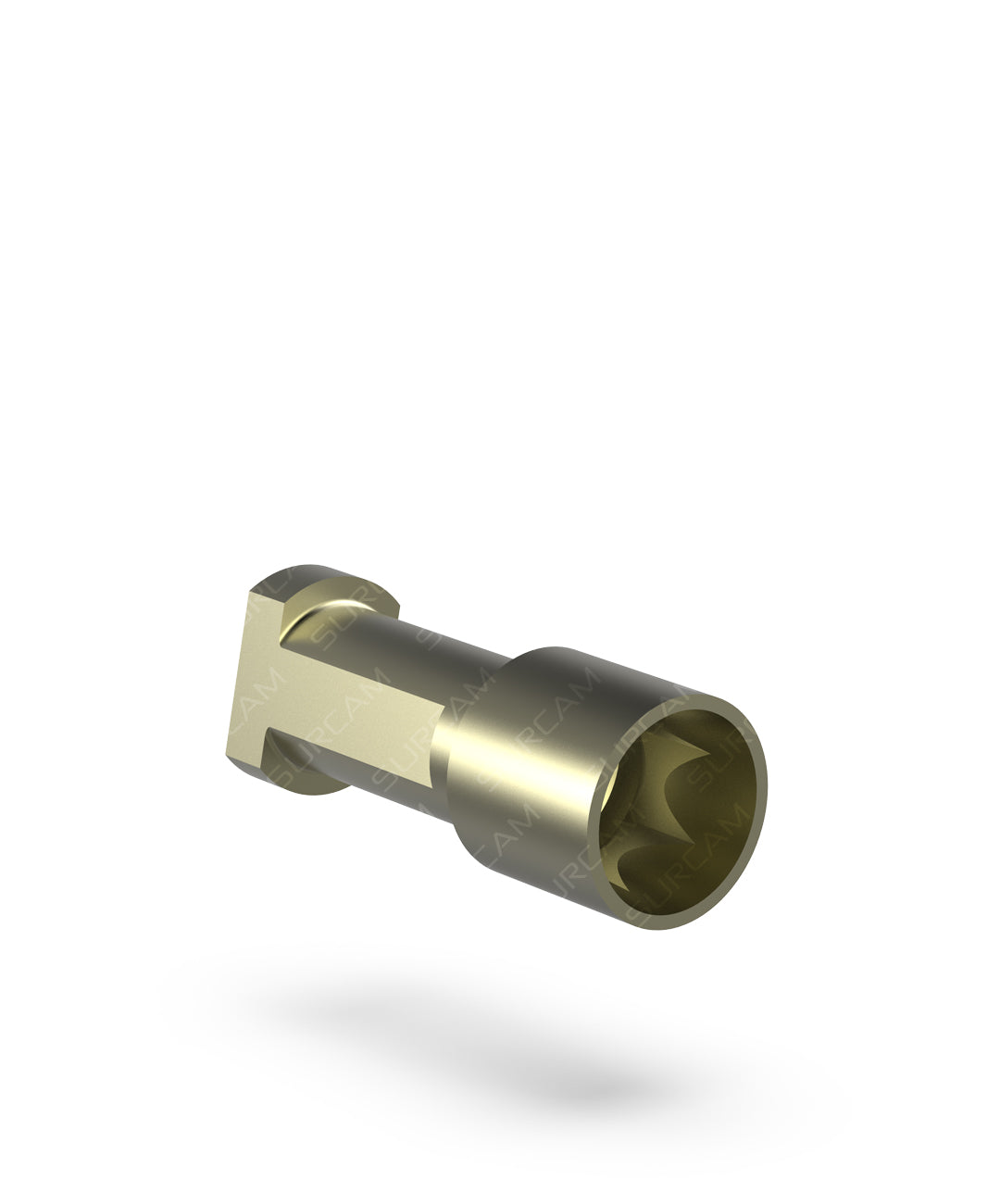
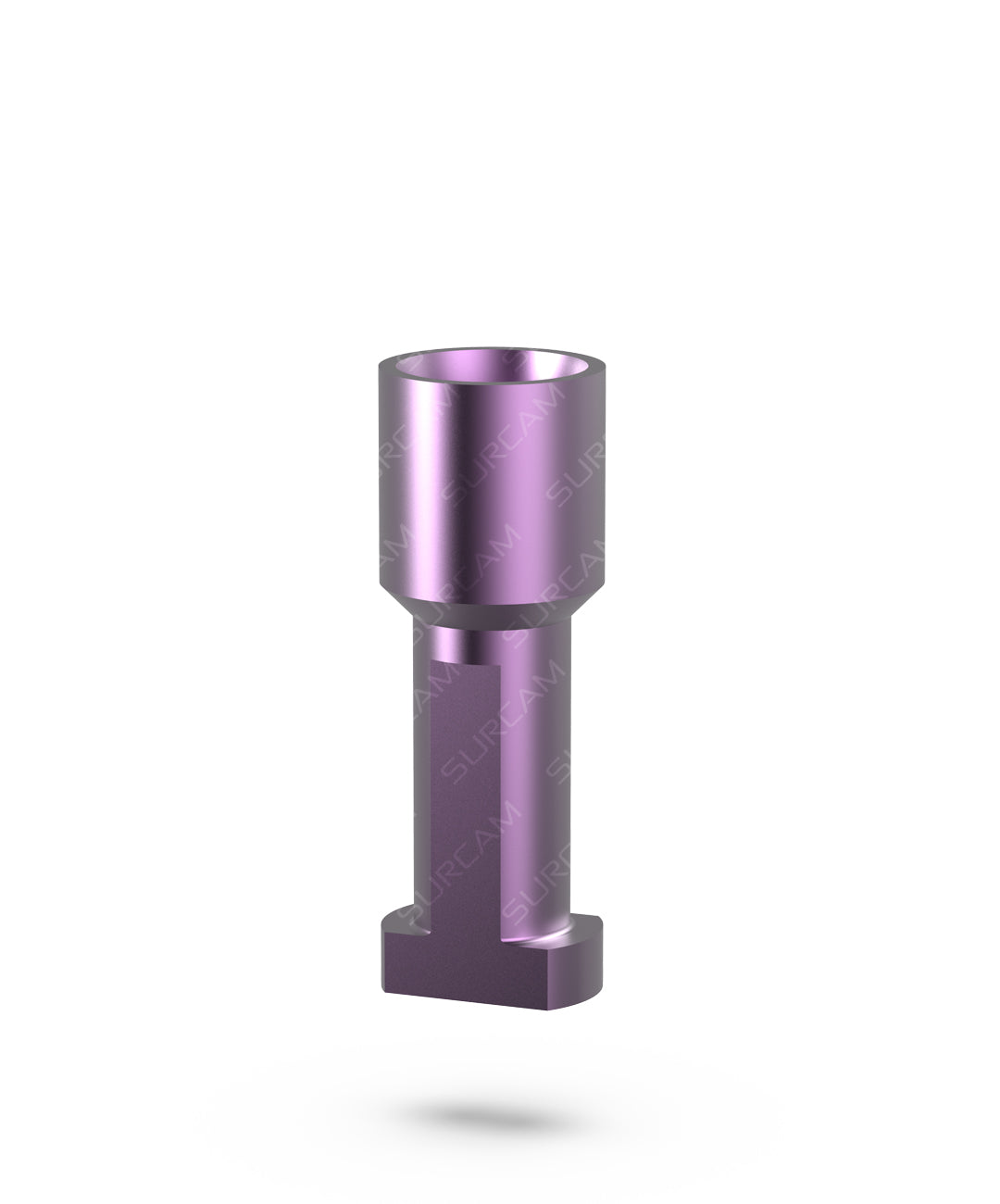
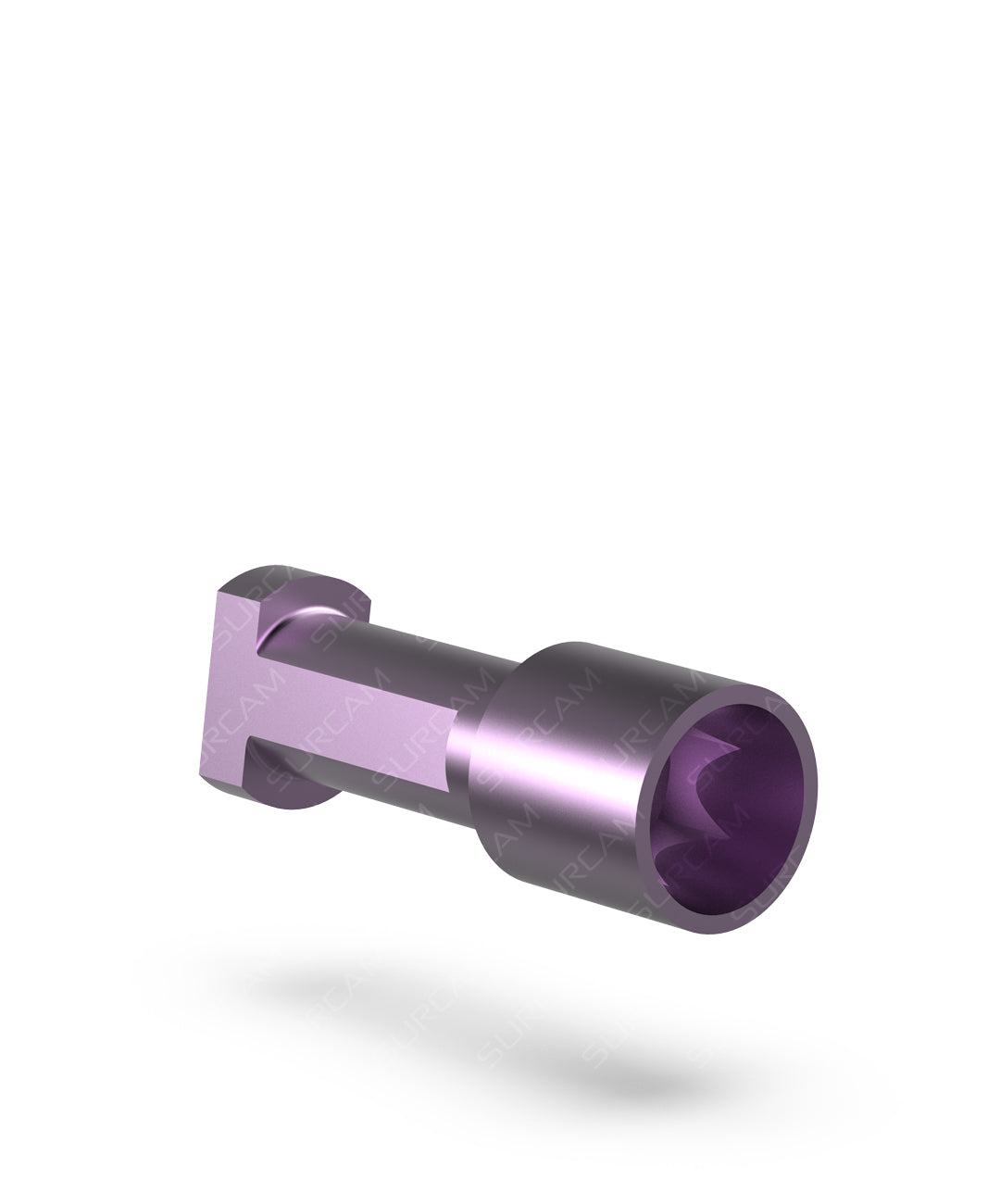
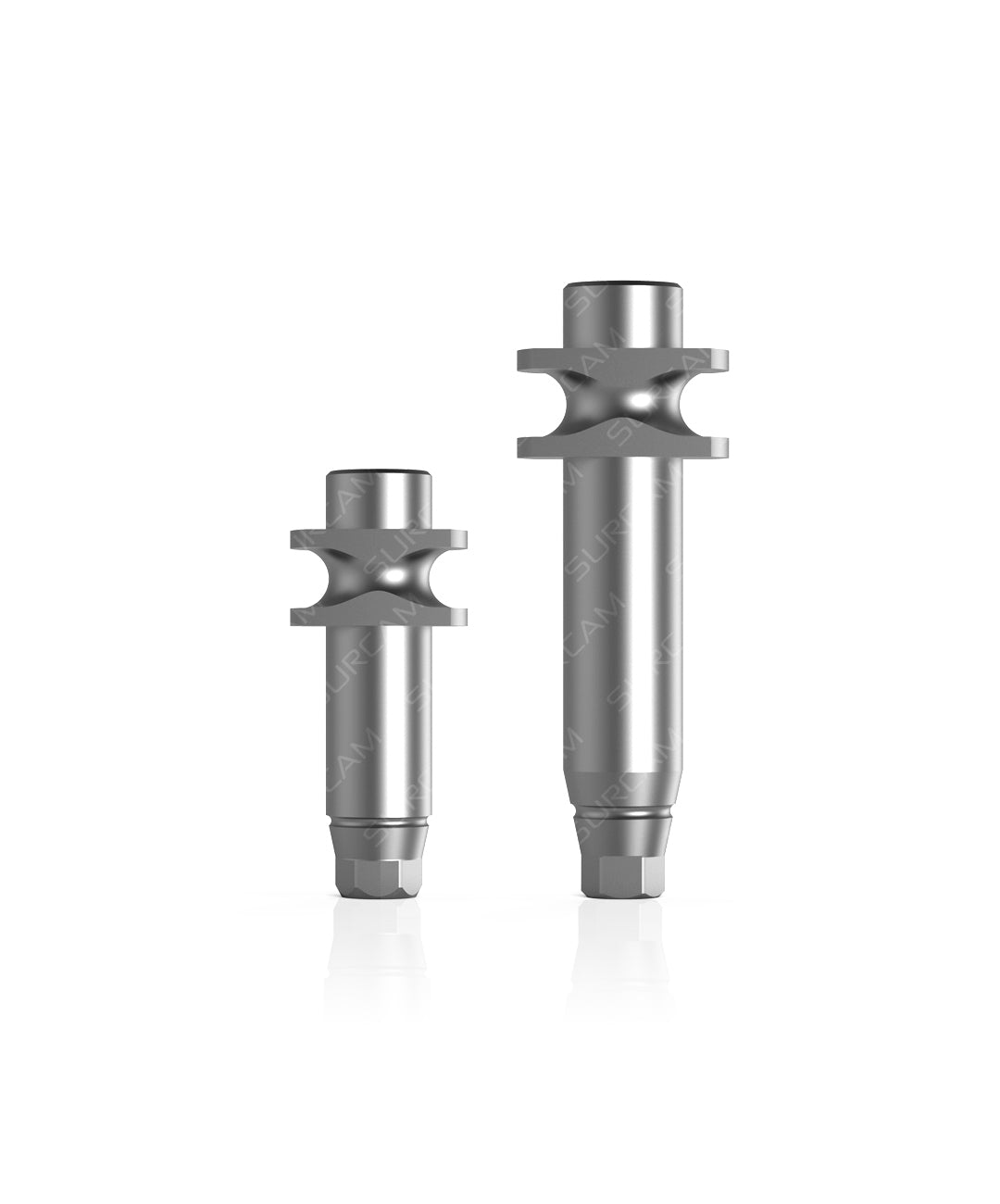
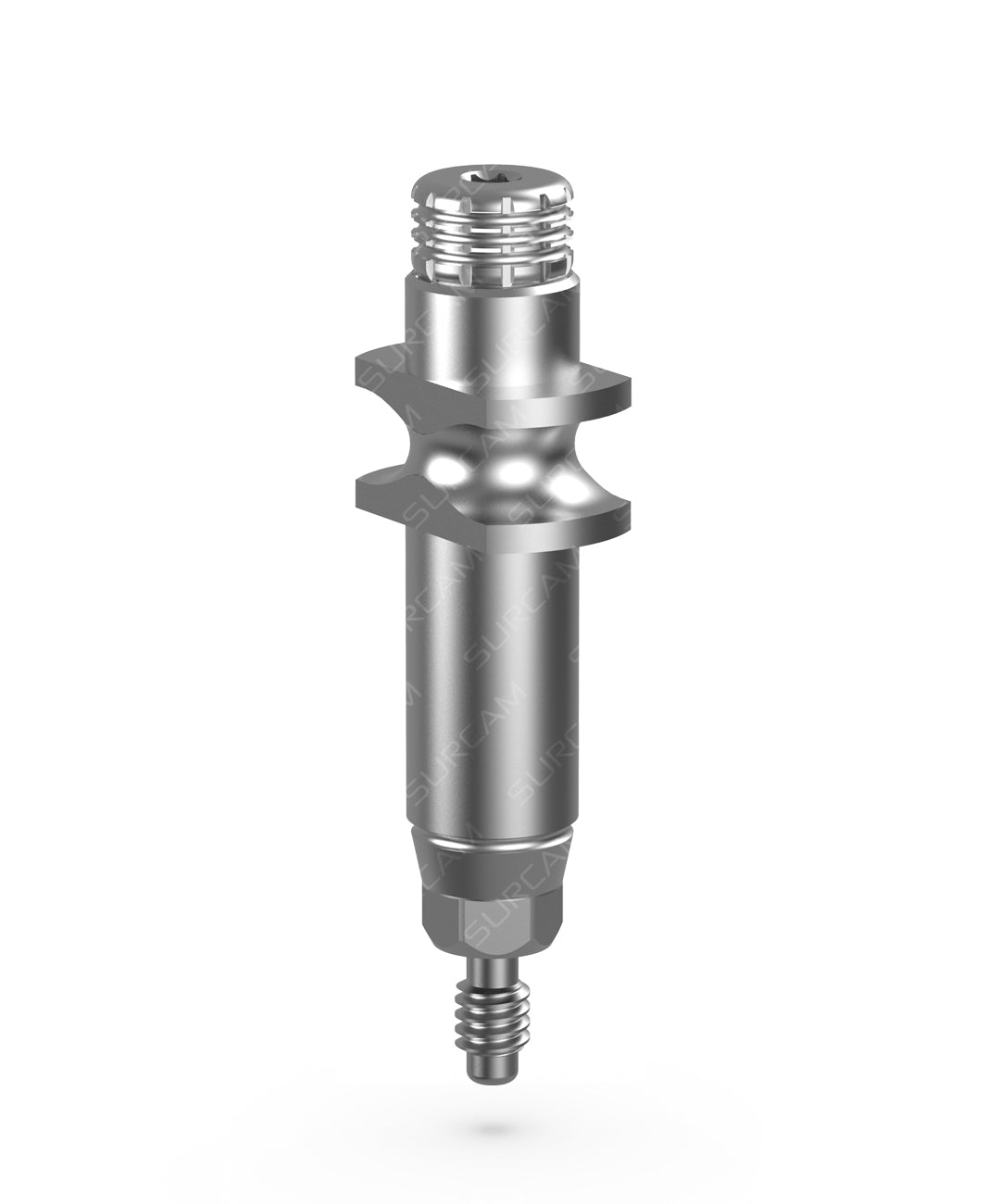
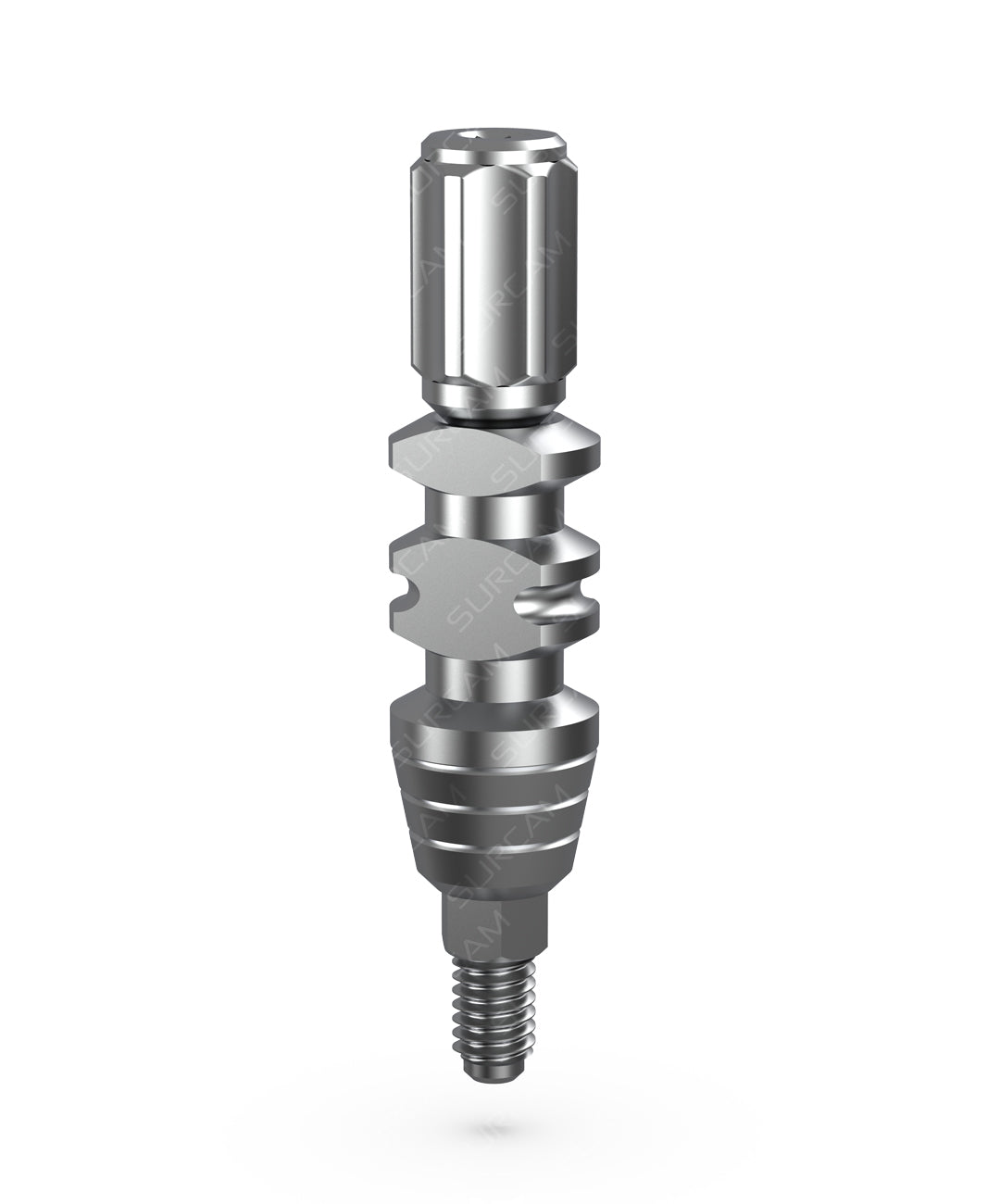
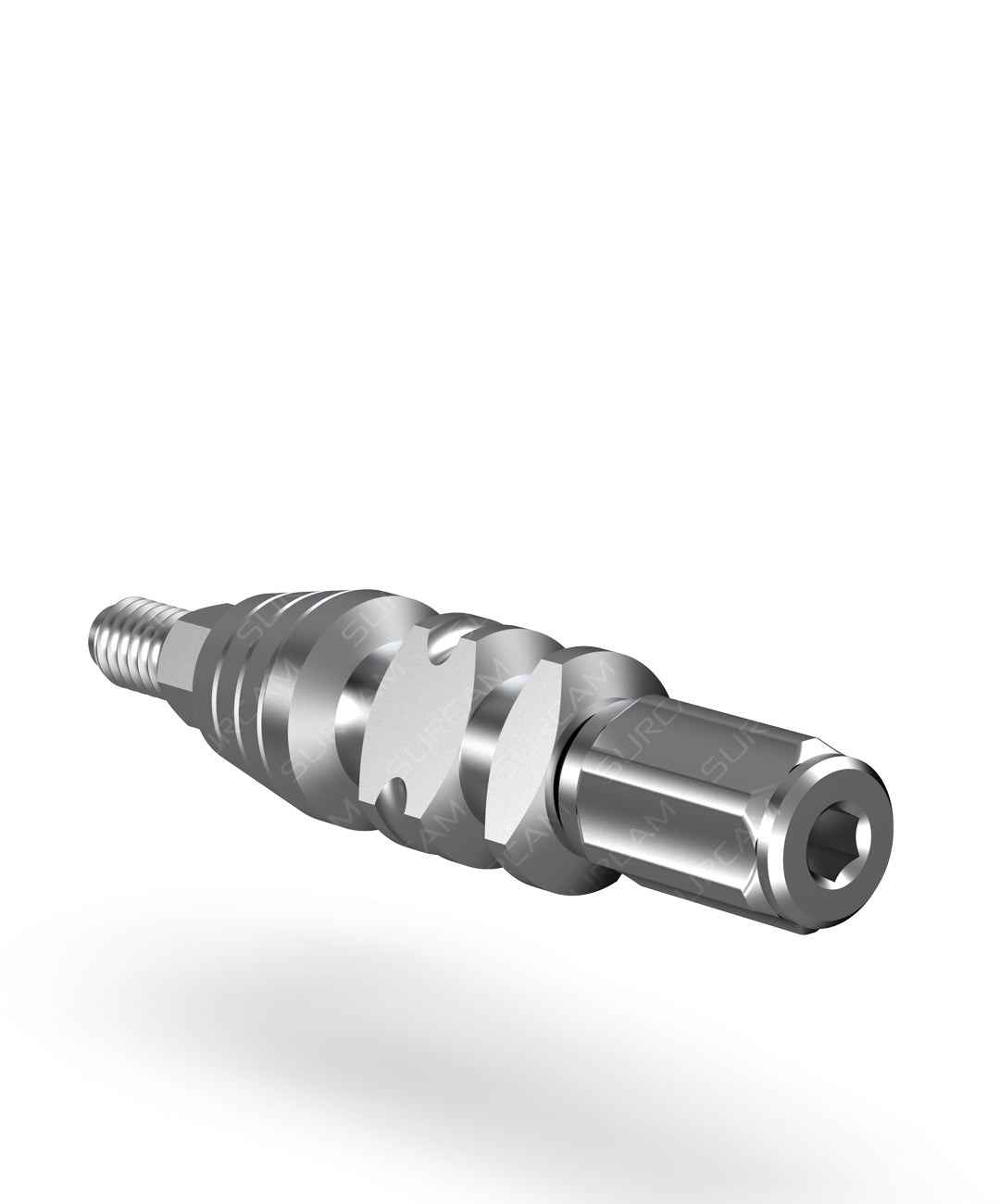
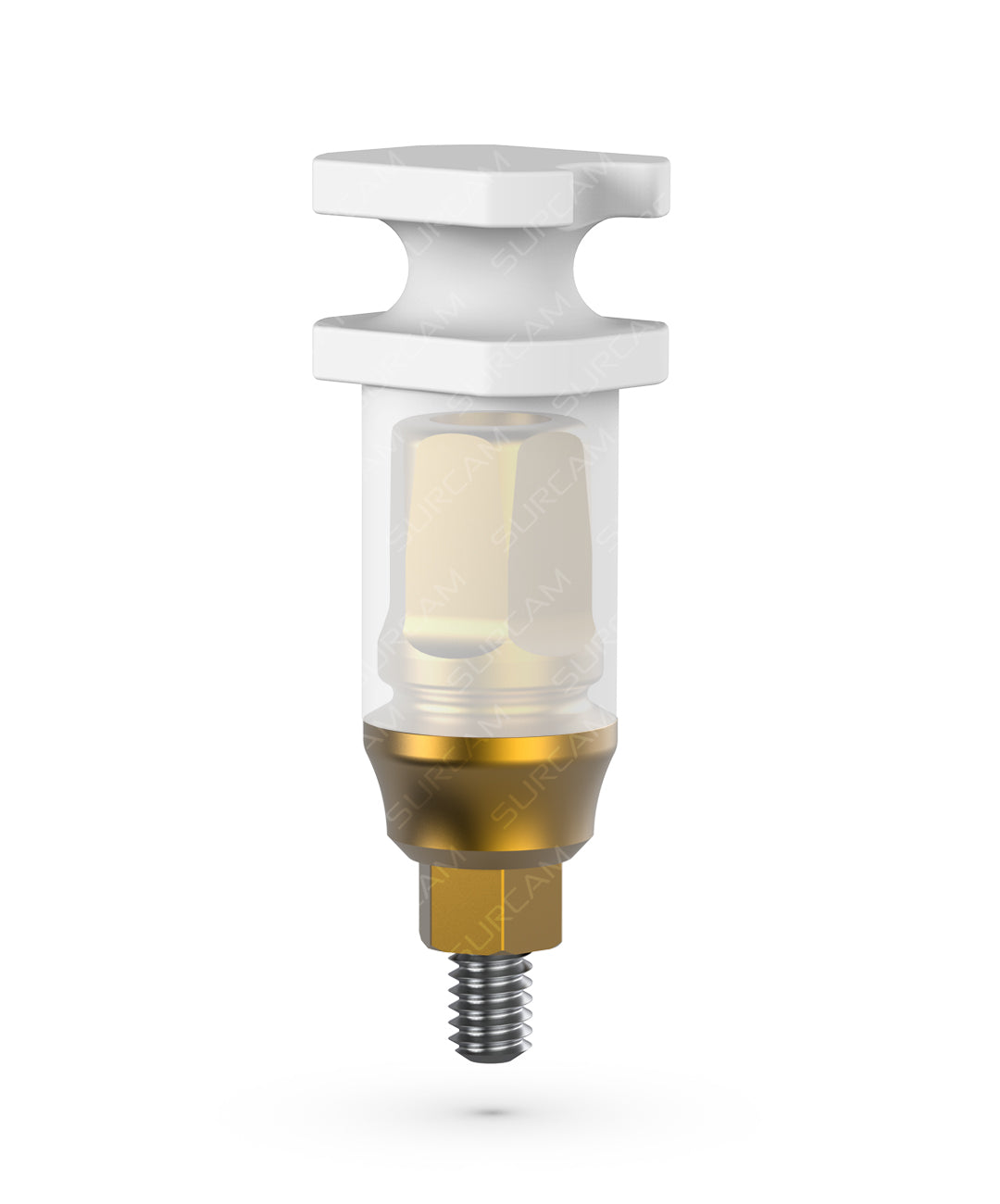
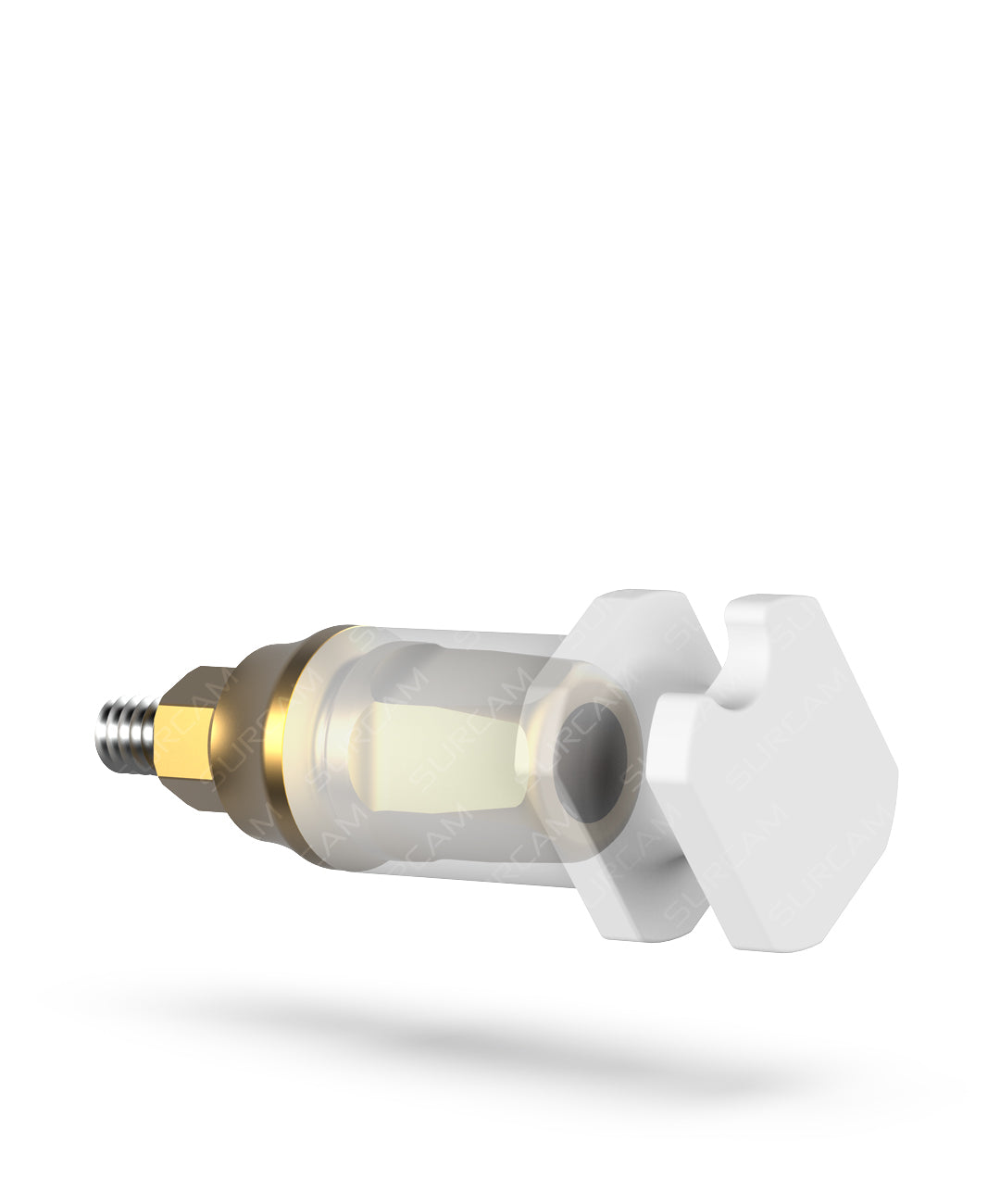
An implant analog is an exact replica of the implant's connection, used by the lab to build the master model. An impression coping (transfer) records where the implant sits in the mouth. This collection brings both together, so you can order the coping and the matching lab analog for each case in one place.

You'll find stainless steel lab analogs for the 2.43 mm internal hex (Ø3.75 and Ø4.5 platforms), lab analogs for the conical NP and RP platforms, and analogs for General Multi-Unit, Prime Multi-Unit and Wise-Lock attachments. Open-tray and closed-tray impression copings for each platform sit alongside them. Working digitally? See our scan bodies and digital analogs.

Every implant restoration made on a model starts with two parts: an impression coping to record the implant and an implant analog to reproduce it. Order them as a matched pair so the analog fits the coping and the implant's connection.

Surcam lab analogs cover the 2.43 mm internal hex (Ø3.75 and Ø4.5), the conical NP and RP platforms, General and Prime Multi-Units and Wise-Lock. Impression copings come in open-tray and closed-tray versions for each platform. Components are supplied non-sterile; follow the IFU before intraoral use.

From impression to master model

1. Take the impression

Seat an open-tray or closed-tray impression coping on the implant or multi-unit abutment and take the impression. The coping records the implant's position and the orientation of its connection.

2. Connect the analog

In the lab, screw the matching implant analog onto the coping in the impression. The analog has the same connection as the implant, so the model reproduces it exactly.

3. Pour the master model

Pour the model around the analog. The restoration is then built and checked on the lab analog before it goes back to the clinic.

Going digital instead?

A scan replaces the physical impression and a digital analog seats in the printed model. Find them with the scan bodies in the CAD/CAM collection.

Frequently Asked Questions

Implant analog & impression coping FAQ

What is the difference between an implant analog and an impression coping?

The impression coping (transfer) goes on the implant in the mouth and is picked up in the impression, recording the implant's position. The analog is a replica of the implant that the lab screws into the coping inside the impression before pouring the model. The coping captures the position; the analog reproduces it in the master model.

Which lab analog do I need?

Match the analog to the connection you are restoring. Use the Ø3.75 or Ø4.5 analog for the 2.43 mm internal hex, the NP or RP analog for conical connection implants, and the General or Prime Multi-Unit analog when the impression is taken at multi-unit level. Wise-Lock overdentures have their own analog.

What is the difference between a lab analog and a digital analog?

A lab analog is set in a poured stone model from a conventional impression. A digital analog is designed to seat in a 3D-printed model from an intraoral or lab scan. Surcam's digital analogs are listed with the scan bodies in the CAD/CAM collection.

Should I use an open-tray or closed-tray impression coping?

Open-tray copings stay in the impression and are unscrewed through a window in the tray, which suits multiple or angled implants. Closed-tray copings stay on the implant when the tray is removed and are repositioned in the impression, which is simpler and suits single implants with good access.

What are Surcam lab analogs made of?

Surcam's internal hex lab analogs are made of high-grade stainless steel, as stated in the Surcam catalog.

Are impression copings supplied sterile?

No. Impression copings and other prosthetic components are supplied non-sterile. Clean and sterilize them before intraoral use as described in the IFU. Analogs are lab-only parts and are never placed in the patient.

Guided selection

Find the right implant components in 4 steps.

1Workflow
2Connection
3Procedure
4Components
About 30 seconds

Need Support?

Our clinical support team is here to help with product, order and case inquiries.

Contact Support →

Bulk & Distributor Pricing

Custom pricing for clinics, labs and authorised distributors. Get a quote tailored to your volume.

Request pricing →

Get the Right Implants, Right on Time

Order online with confidence — from single cases to bulk supply. Our team is here to help you select the right components and get them delivered fast.

Add Special instructions for your order
Coupon Code