


























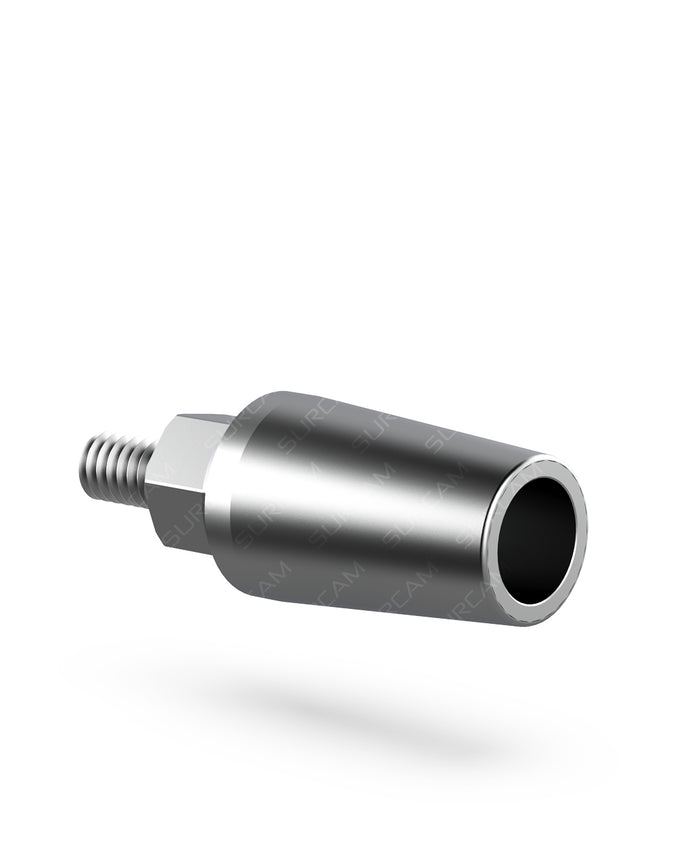


Dental implant abutment types
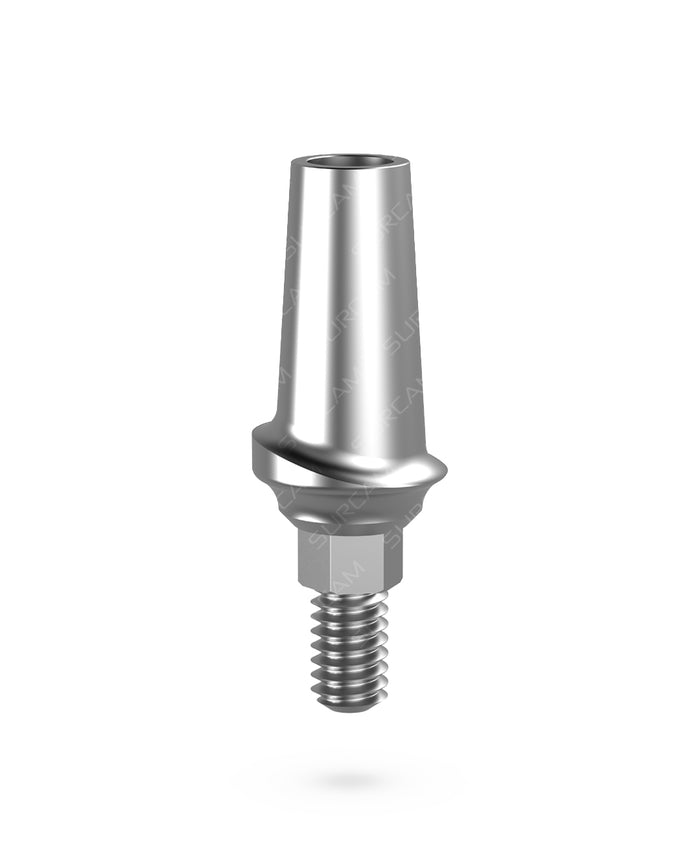
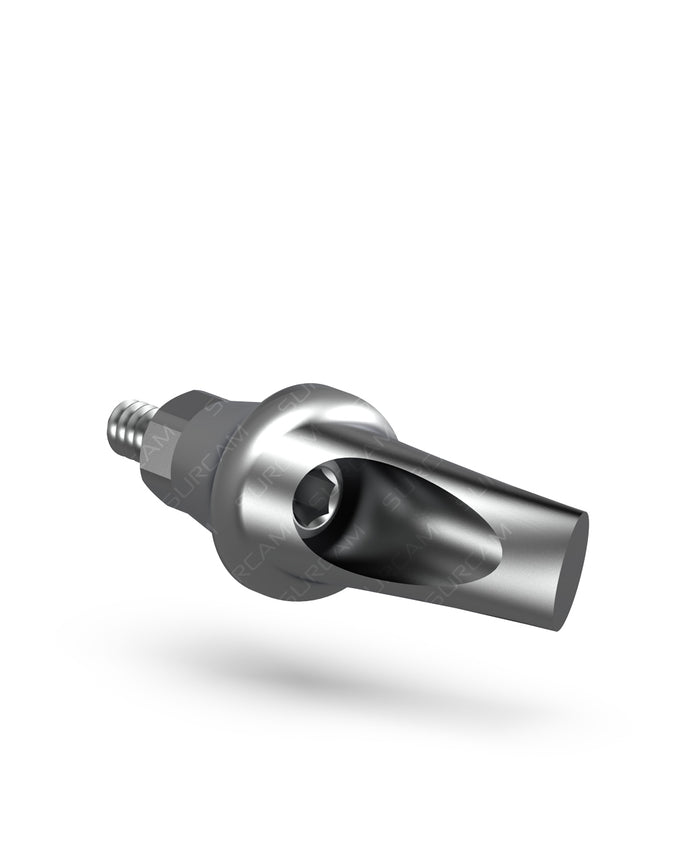
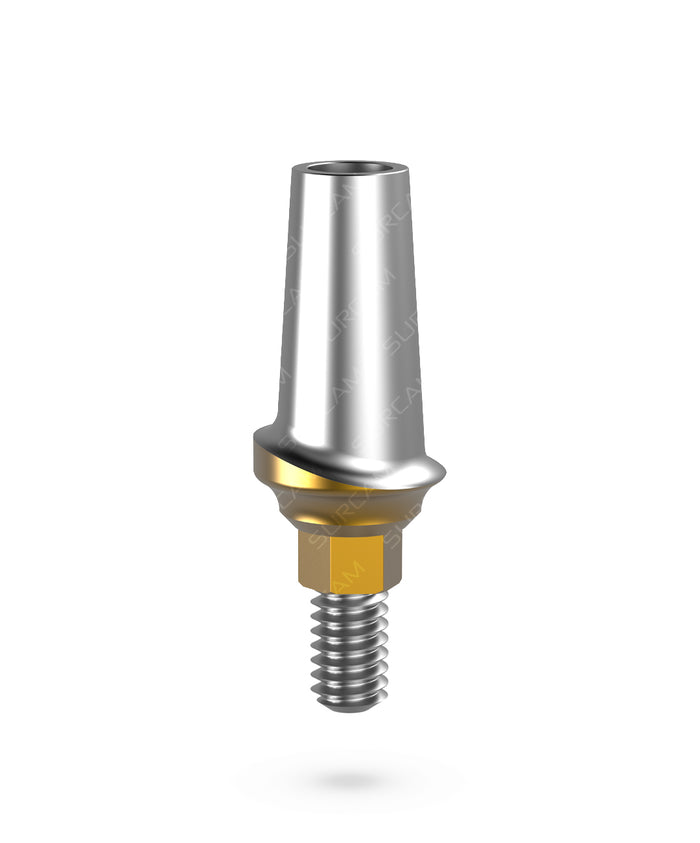
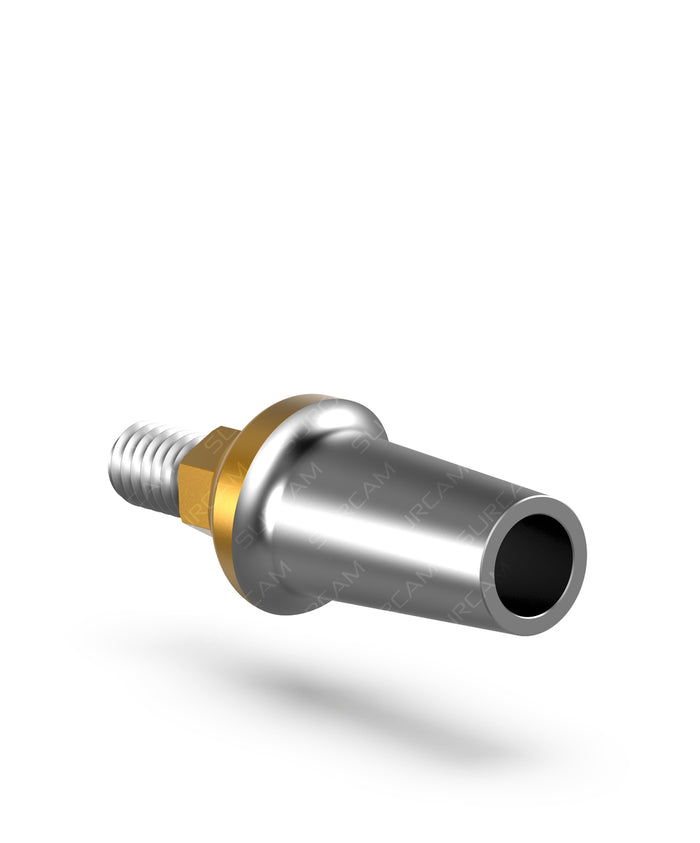
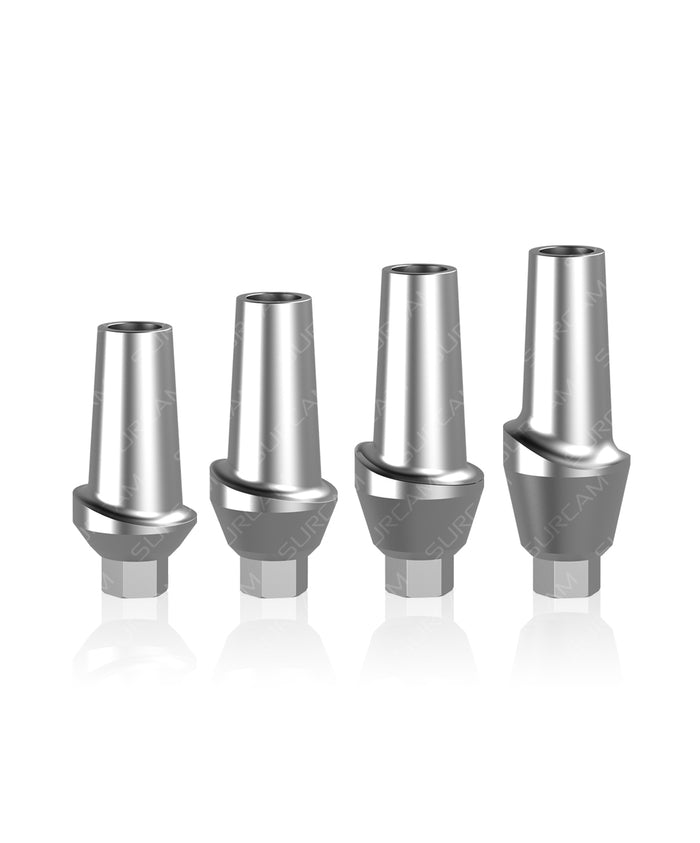
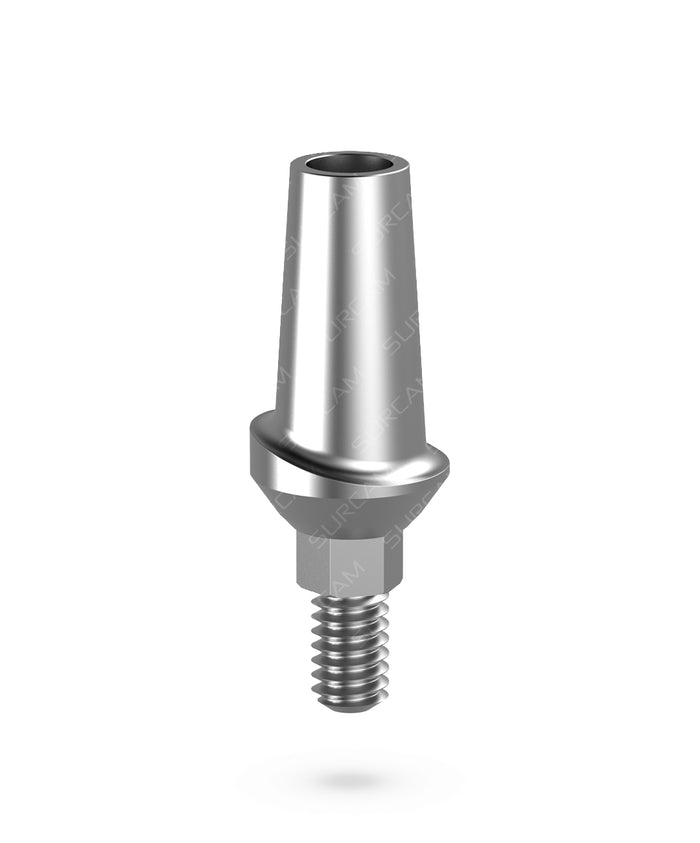
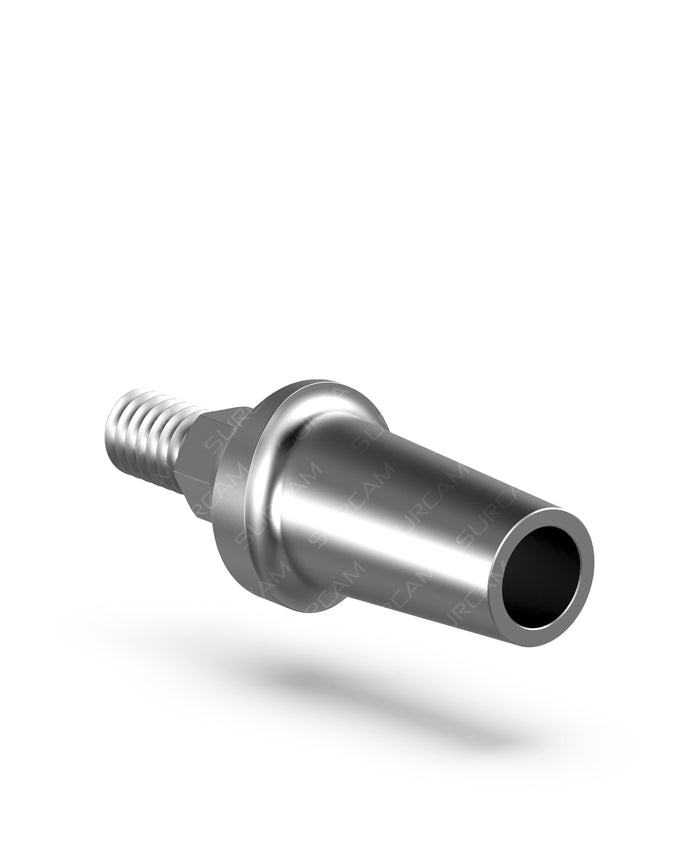
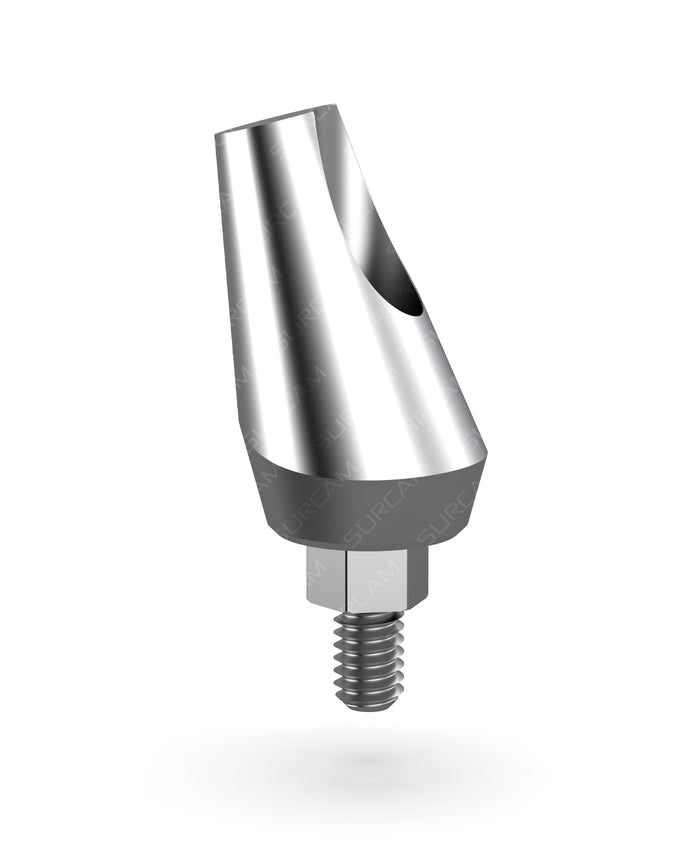
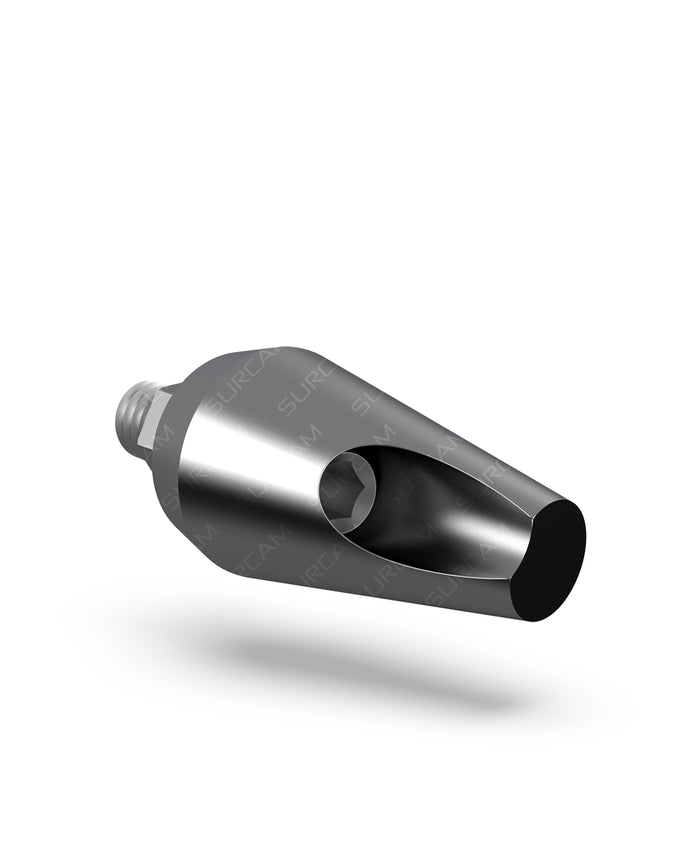
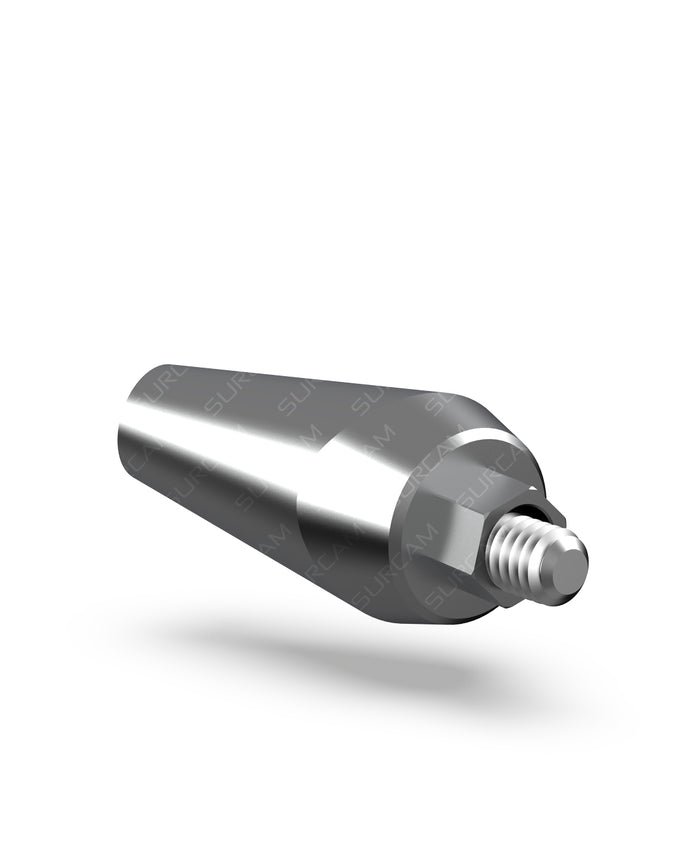
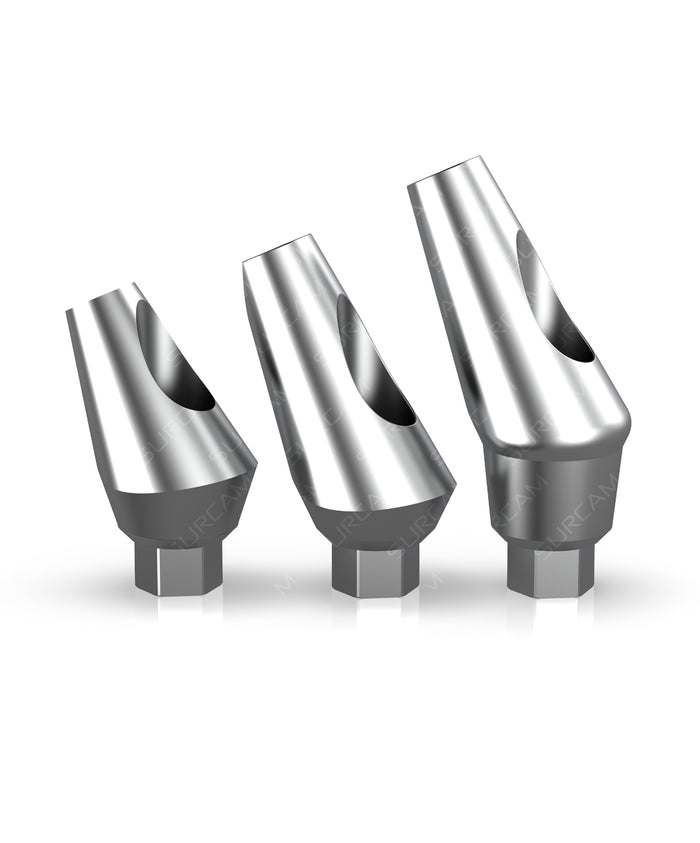
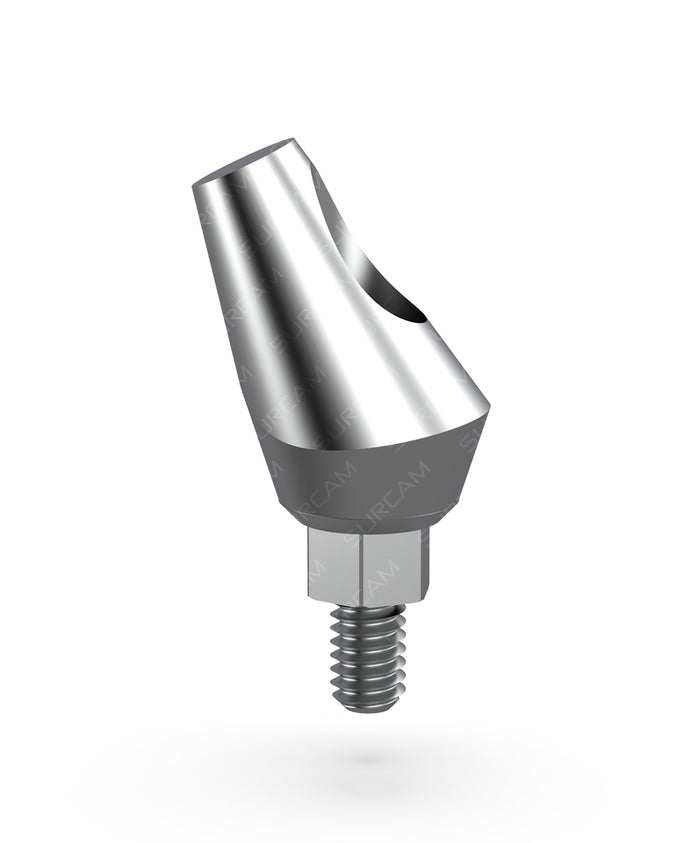
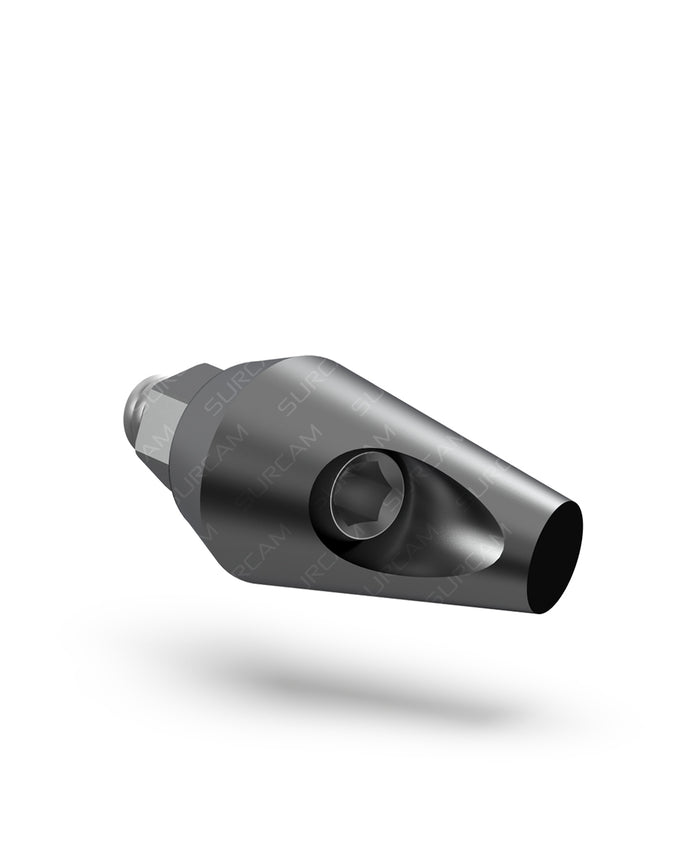
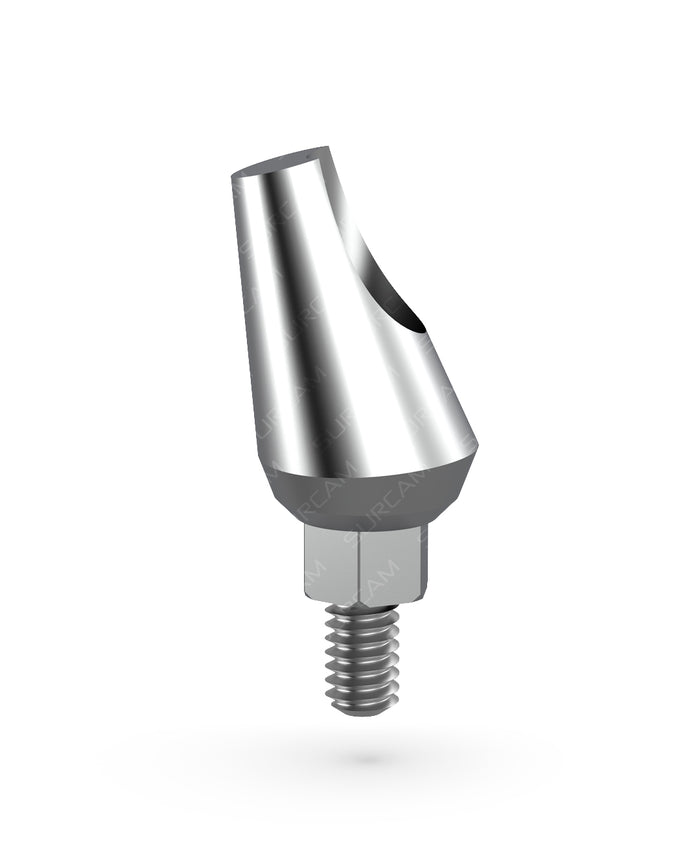
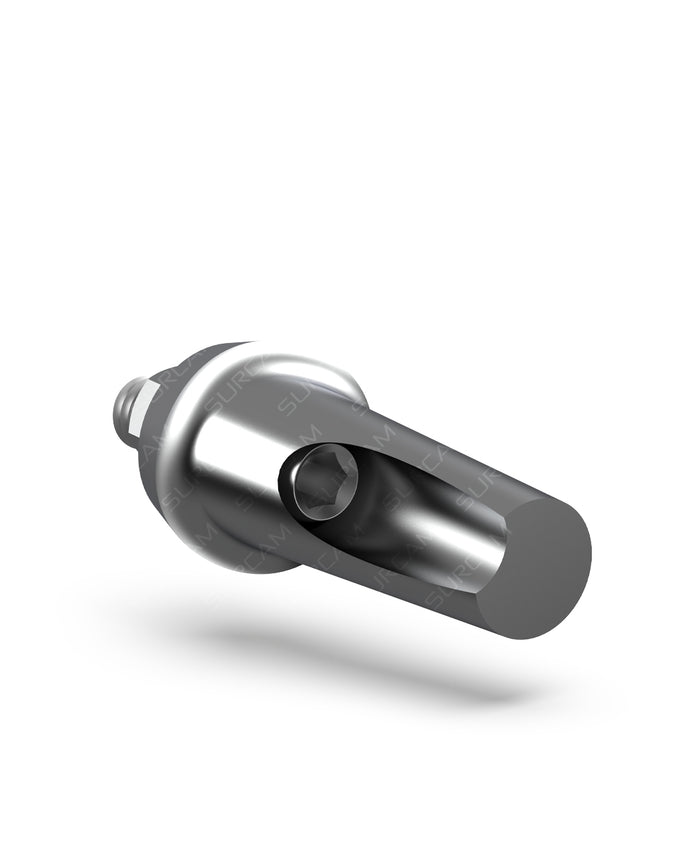
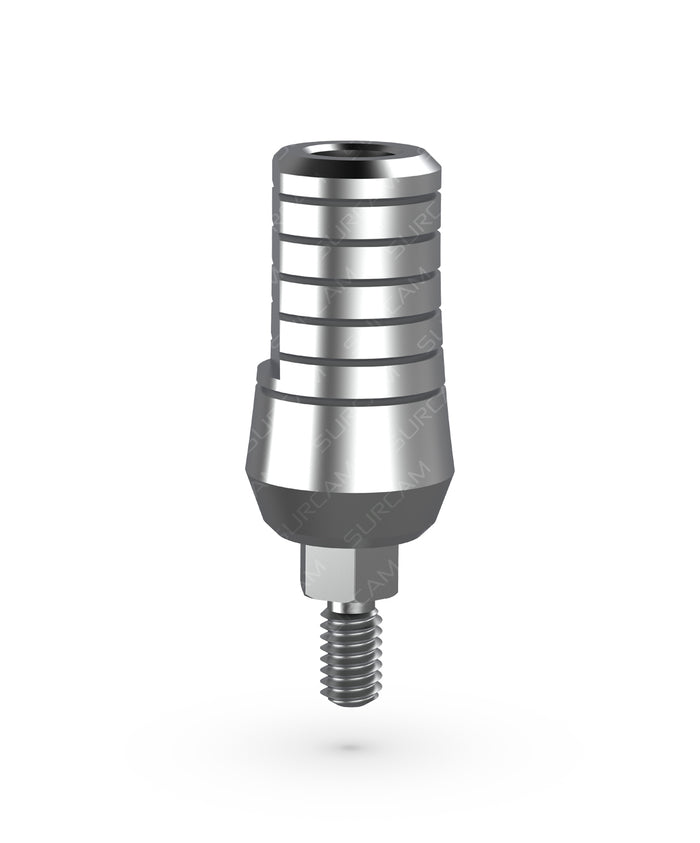
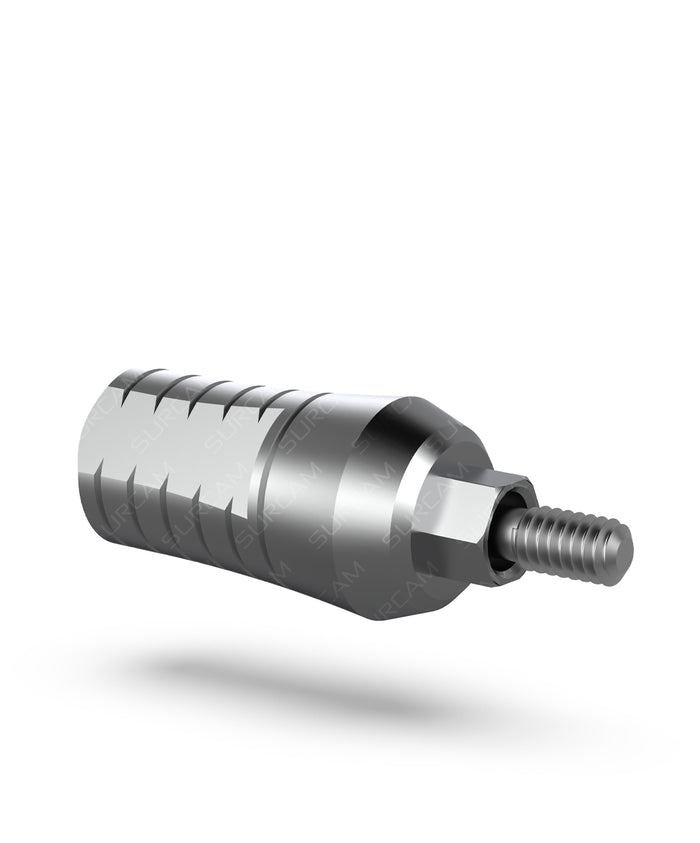
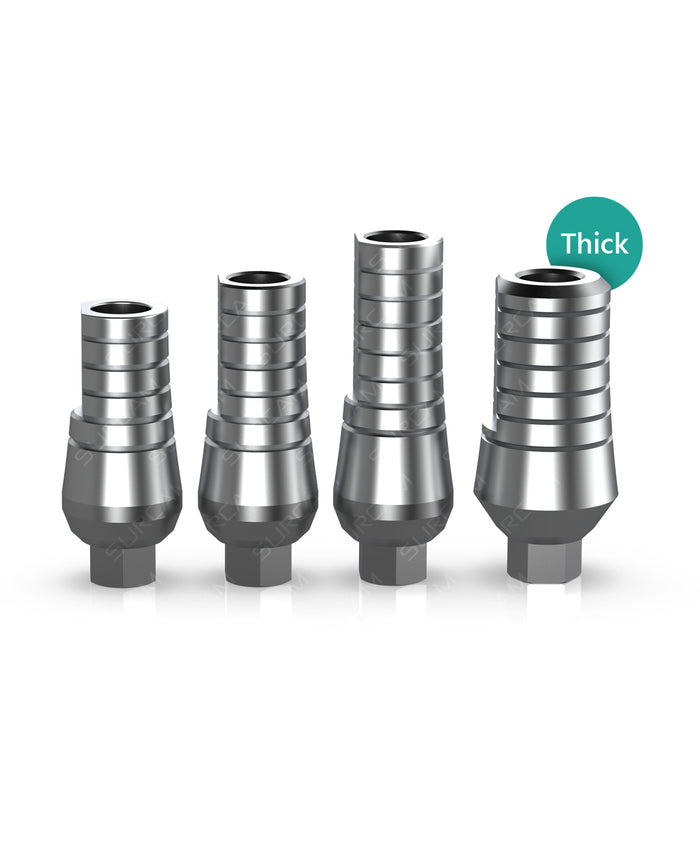
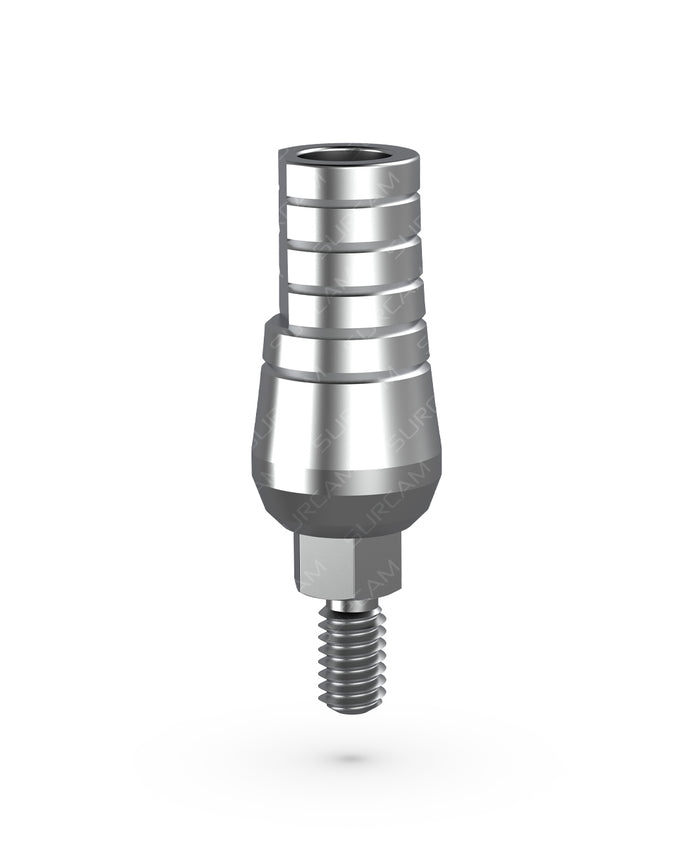
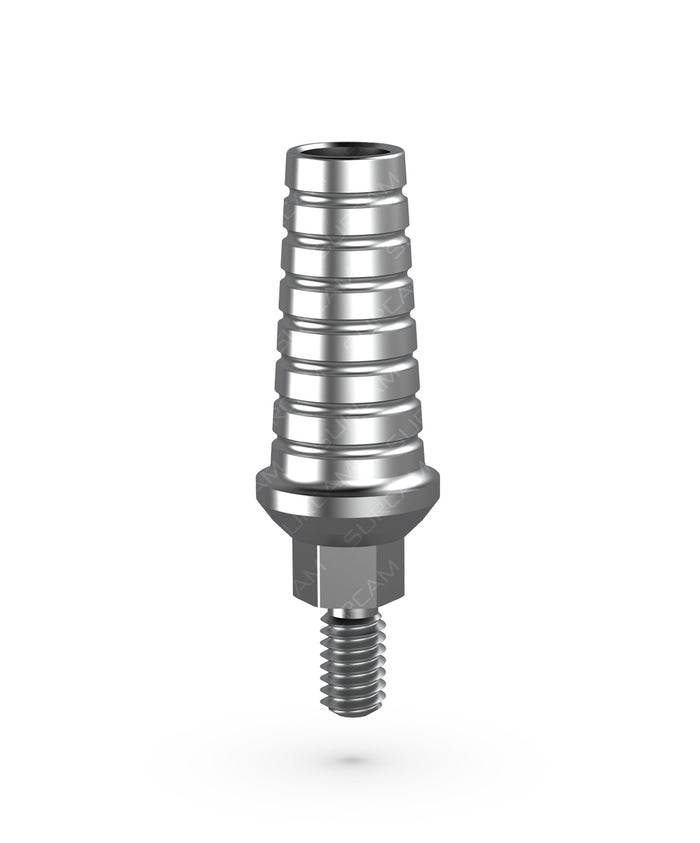
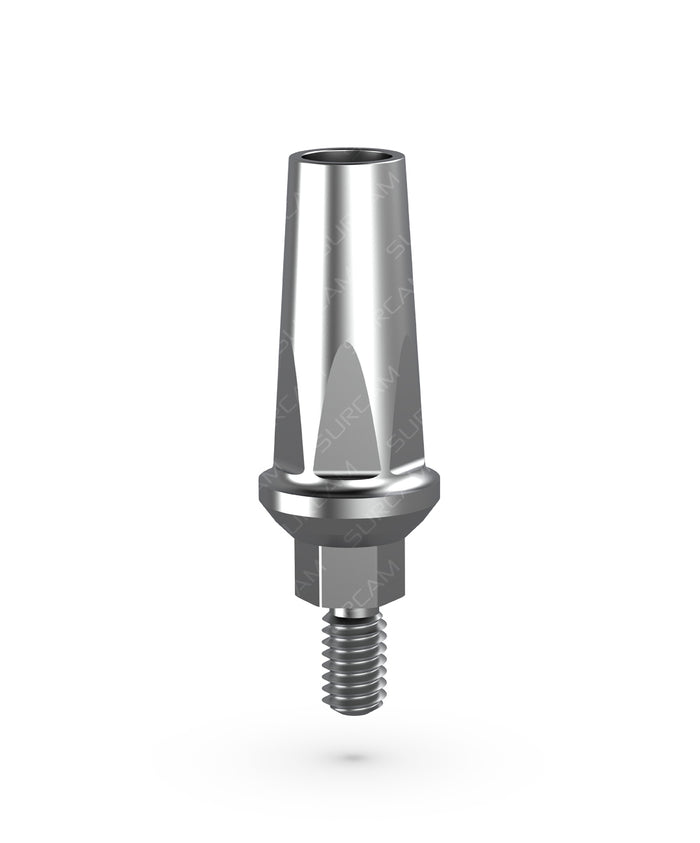
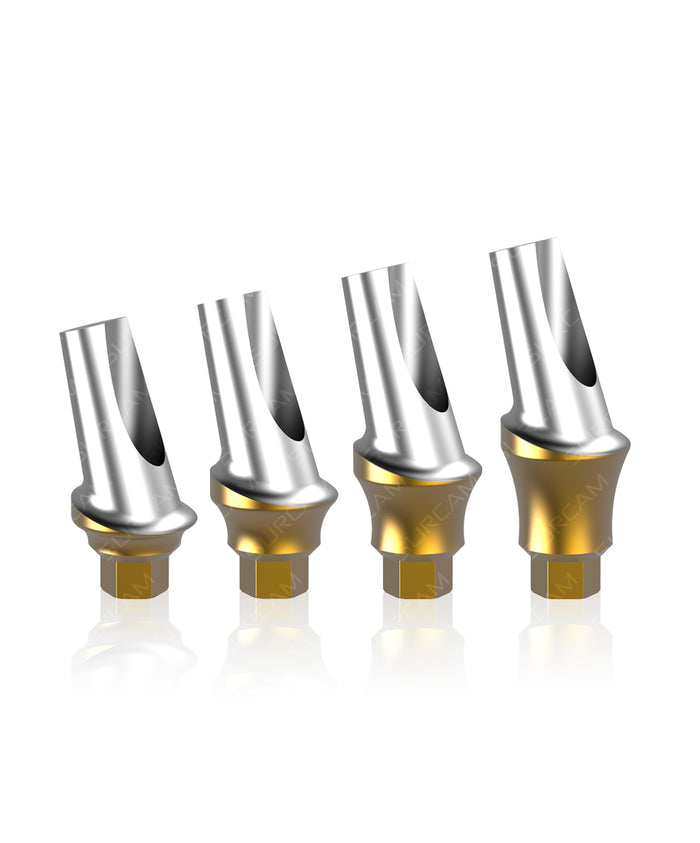
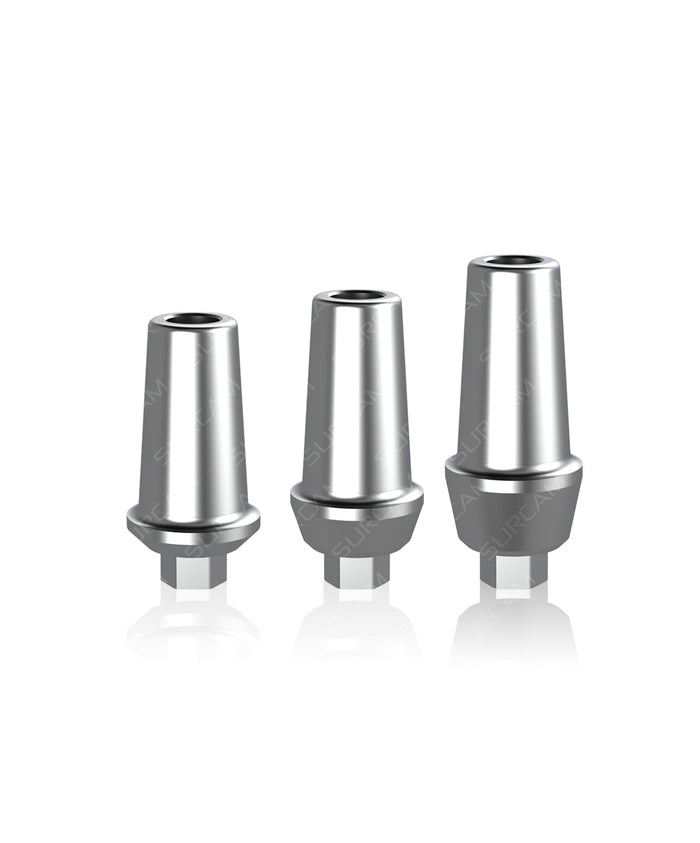
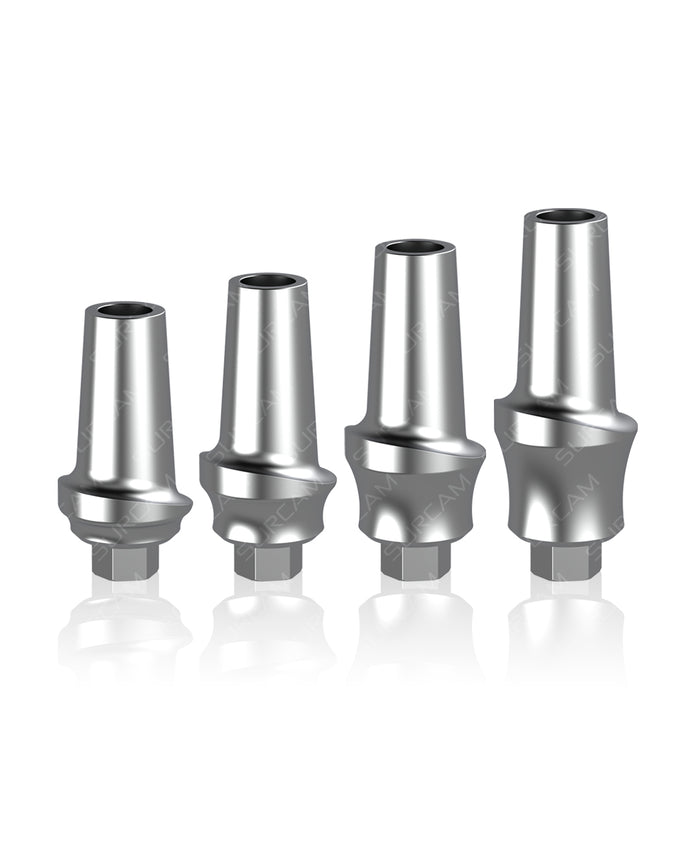
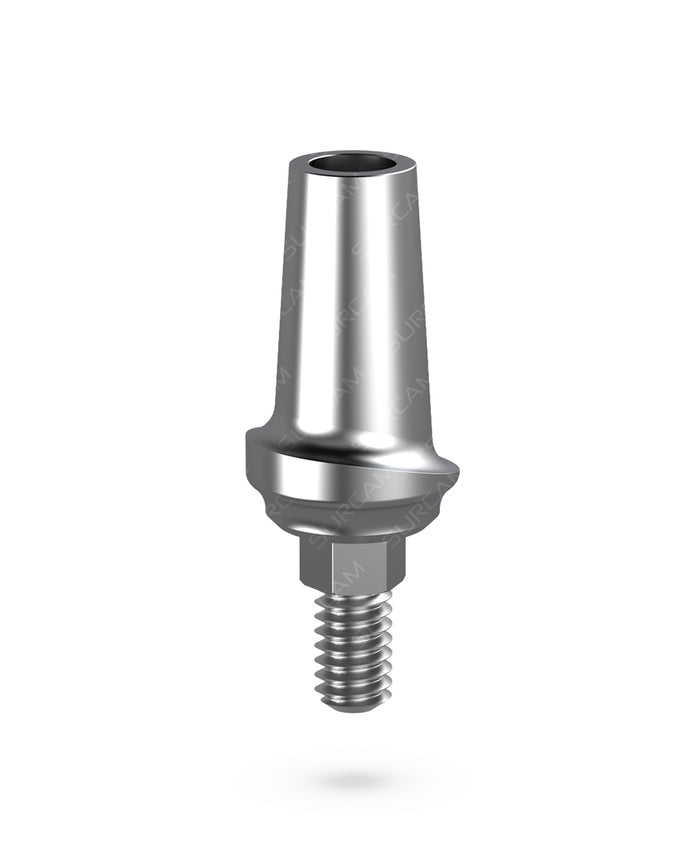
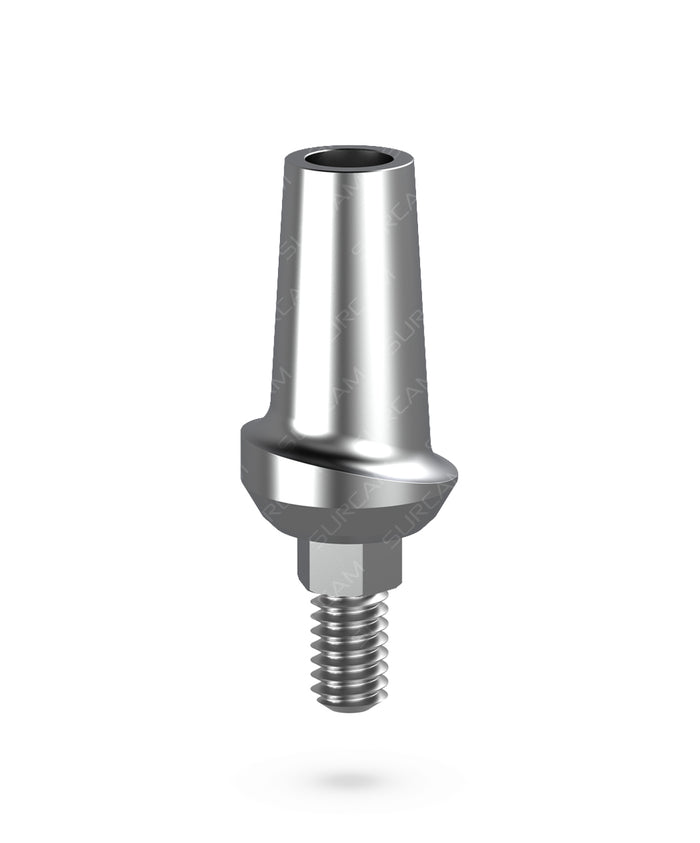
- Cemented abutments: stock straight and angled (15° and 25°) abutments in titanium and TiN-coated titanium, for internal hex and conical connection.
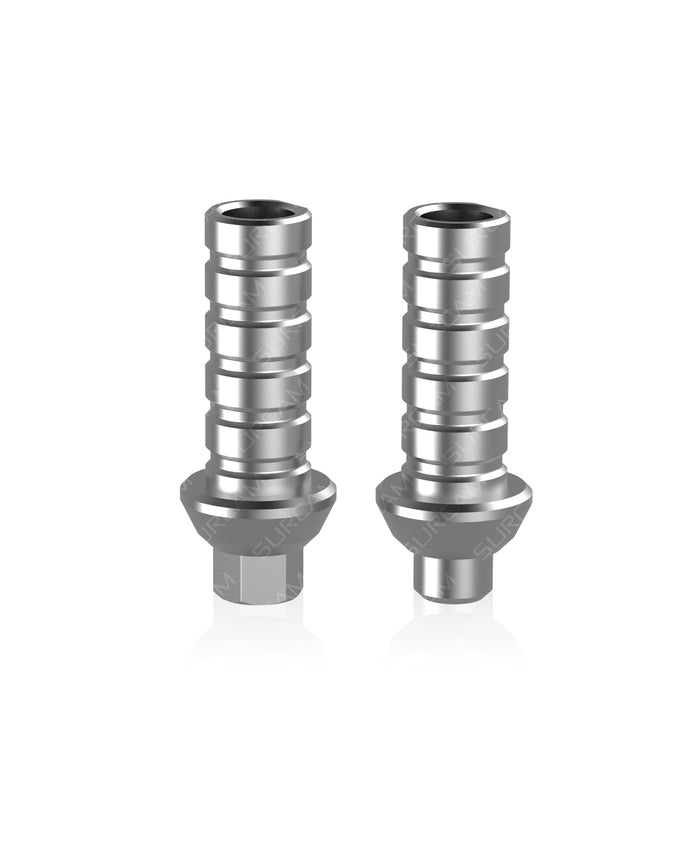
- Castable abutments: plastic, titanium-plastic and CoCr-plastic patterns the lab casts to a custom shape, for internal hex and conical connection.
- Ti-base abutments: titanium bases for CAD/CAM zirconia crowns and bridges.
- Multi-unit abutments: straight and angled abutments for screw-retained bridges and full-arch cases.
- Healing and temporary abutments: soft-tissue healing and provisional crowns.
- Overdenture attachments: ball and Wise-Lock abutments for implant overdentures.
How to choose an abutment
- Connection: match the implant's connection and platform. Restoring another brand? Check the compatibility chart.
- Retention: cement-retained, screw-retained or removable.
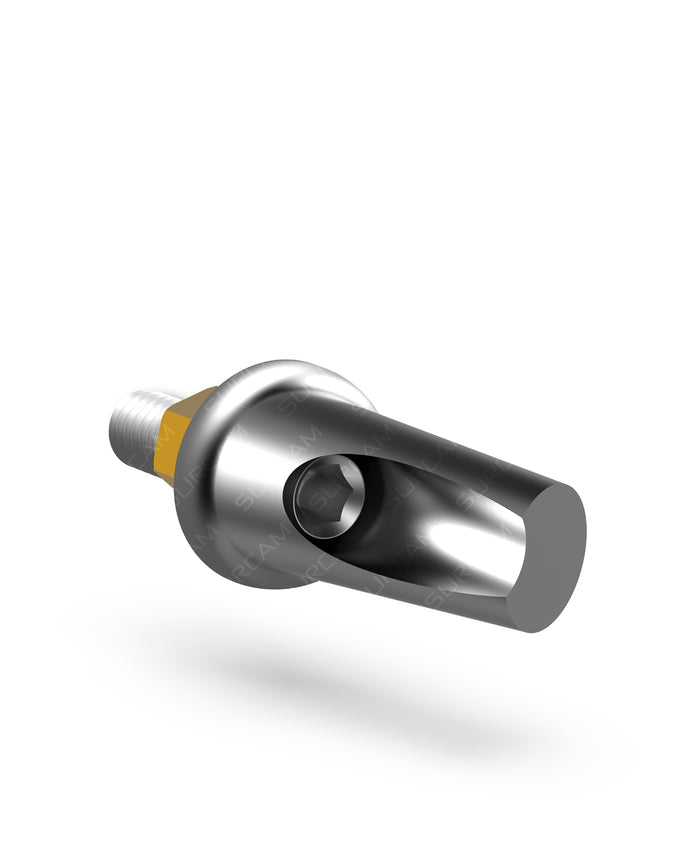
- Angulation: straight, 15° or 25°, or an angled multi-unit abutment for larger divergence.
- Soft tissue: a cuff height that places the margin where it can be cleaned.
Complete the restoration
Every abutment needs its matching prosthetic screw, tightened with a torque wrench. For the lab, pair it with impression copings, implant analogs or scan bodies for the same platform.