




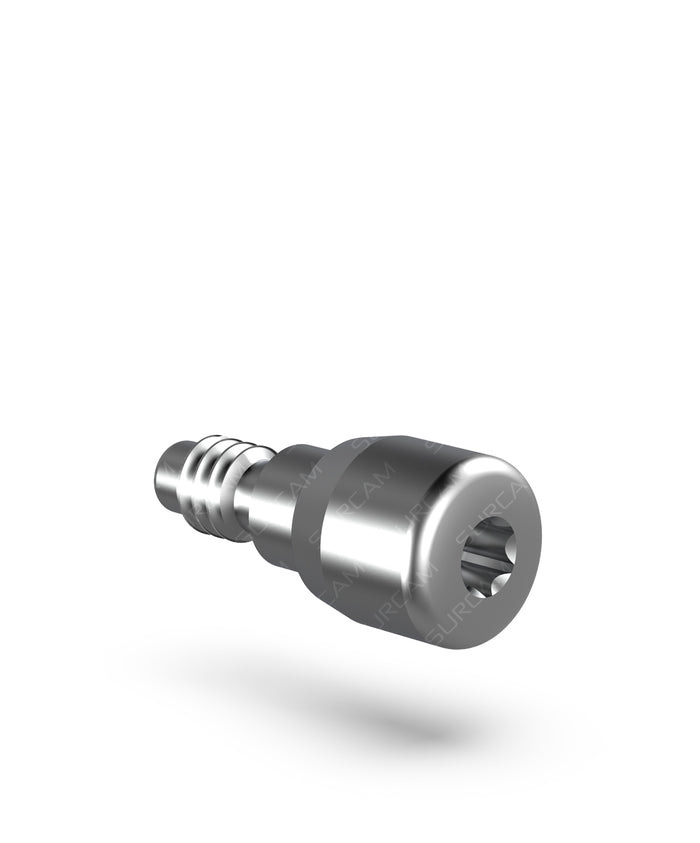
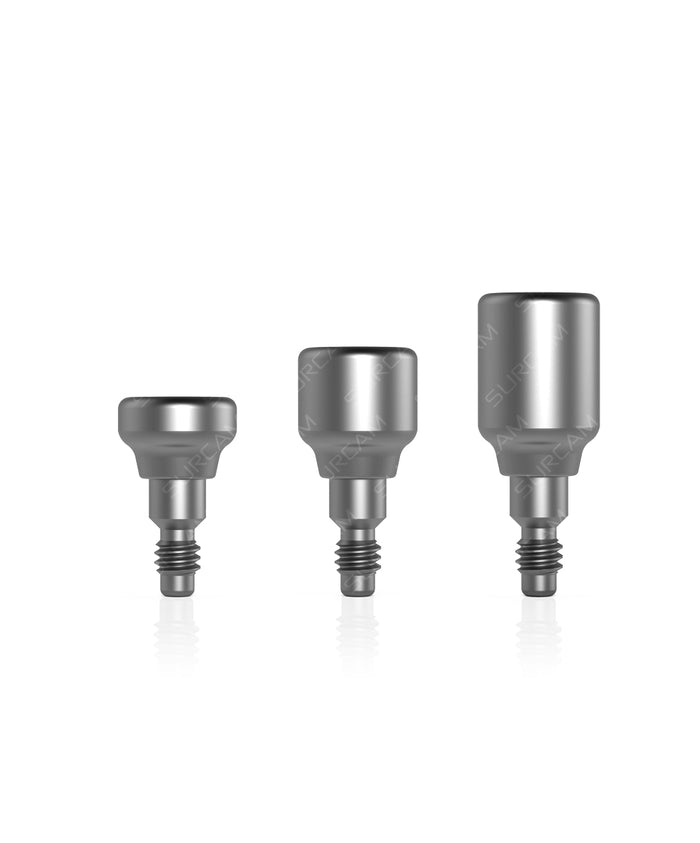
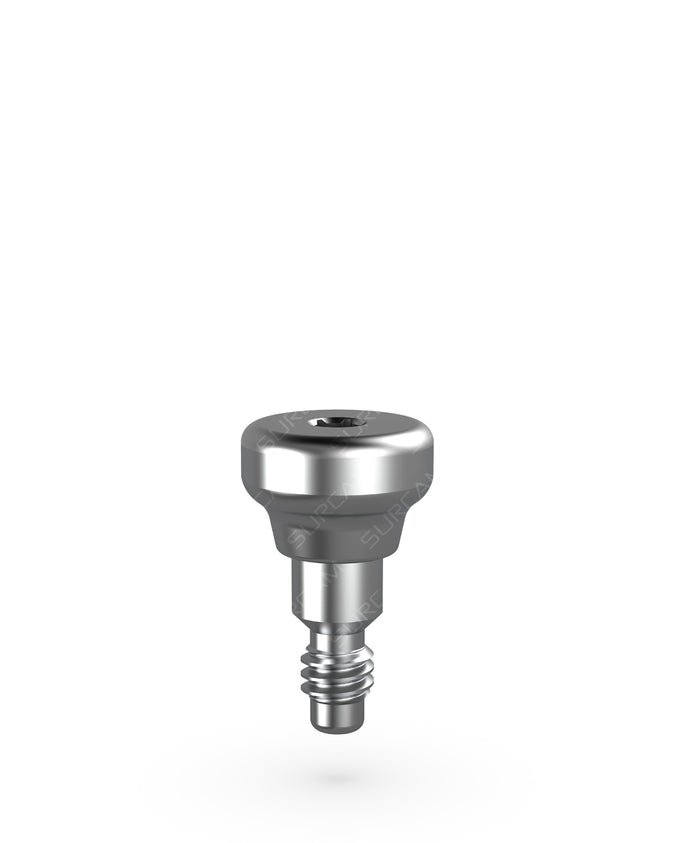
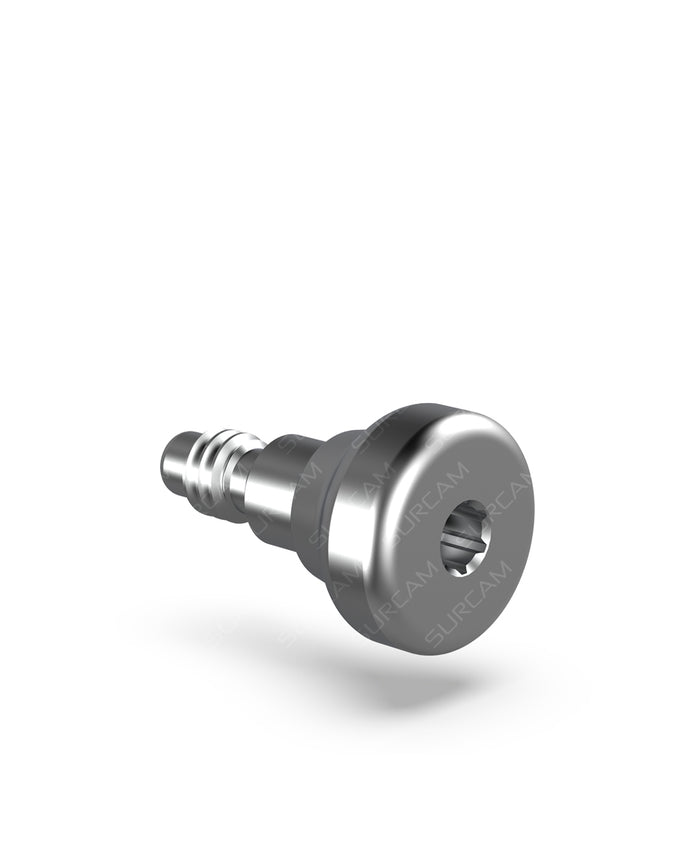










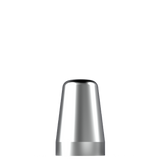


Healing caps by connection
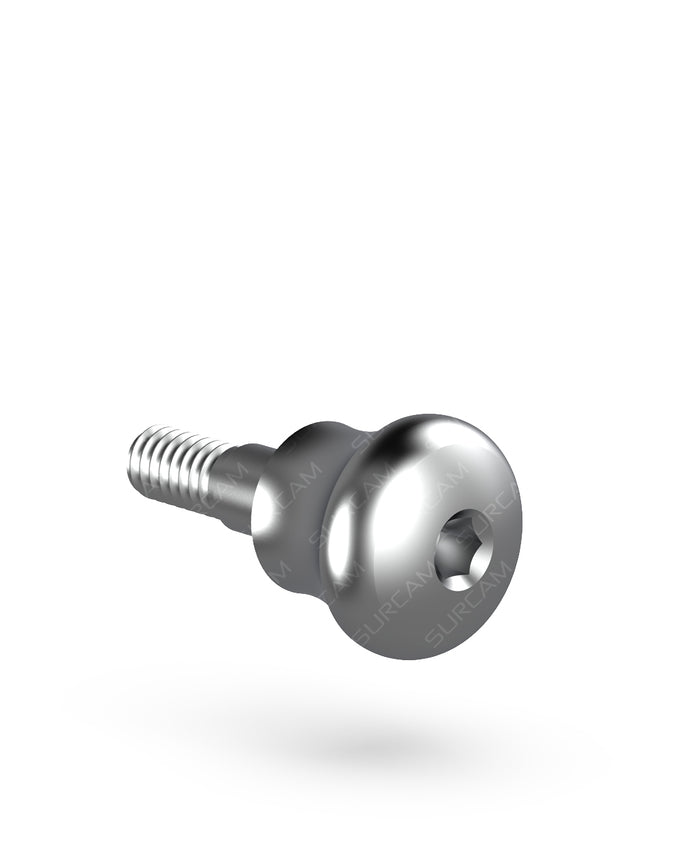
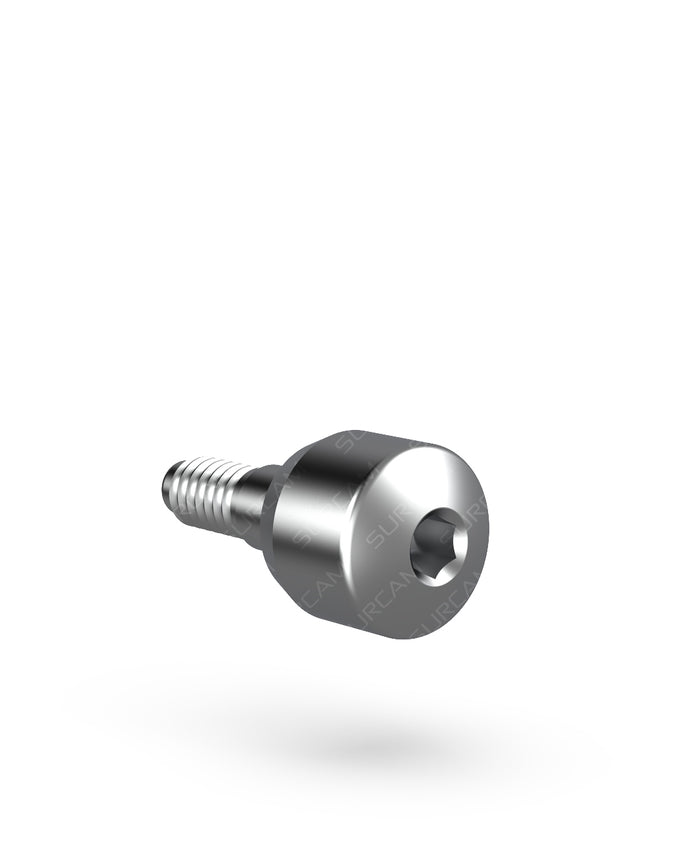
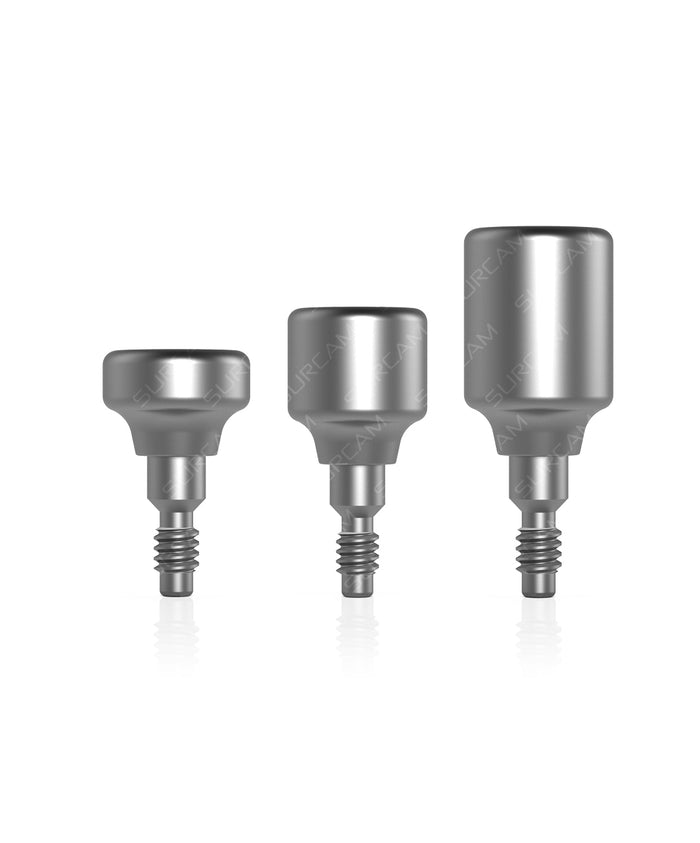
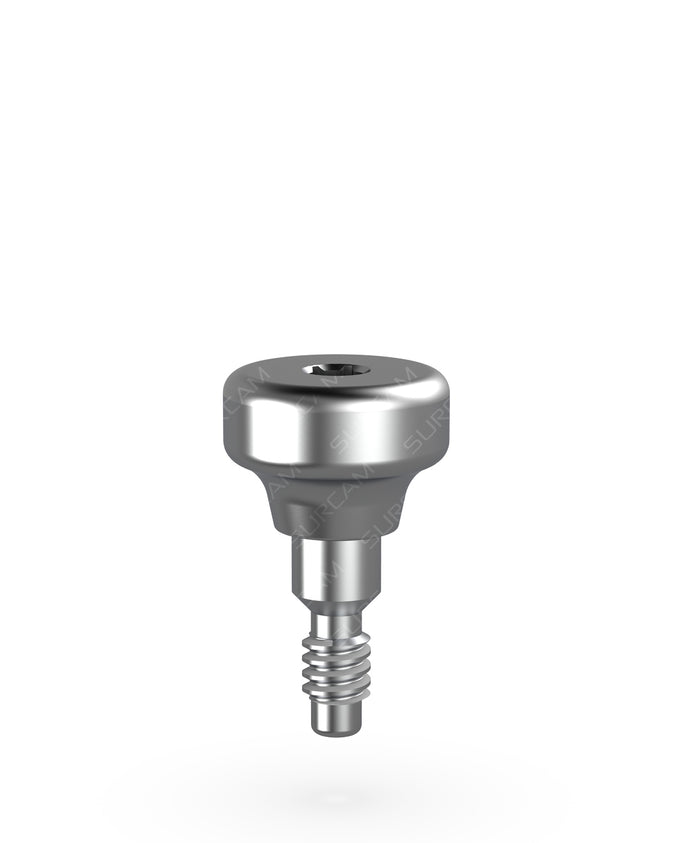
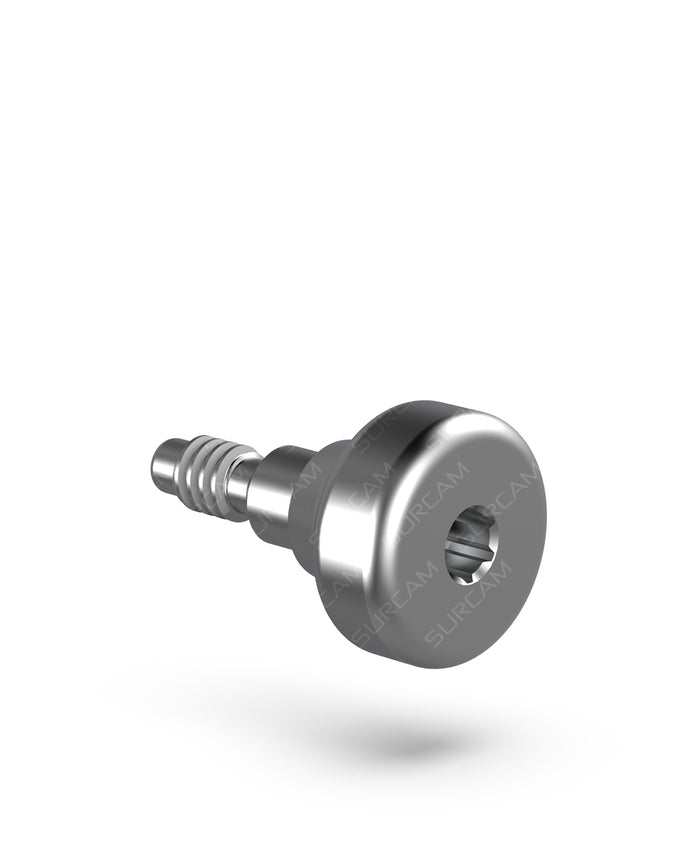
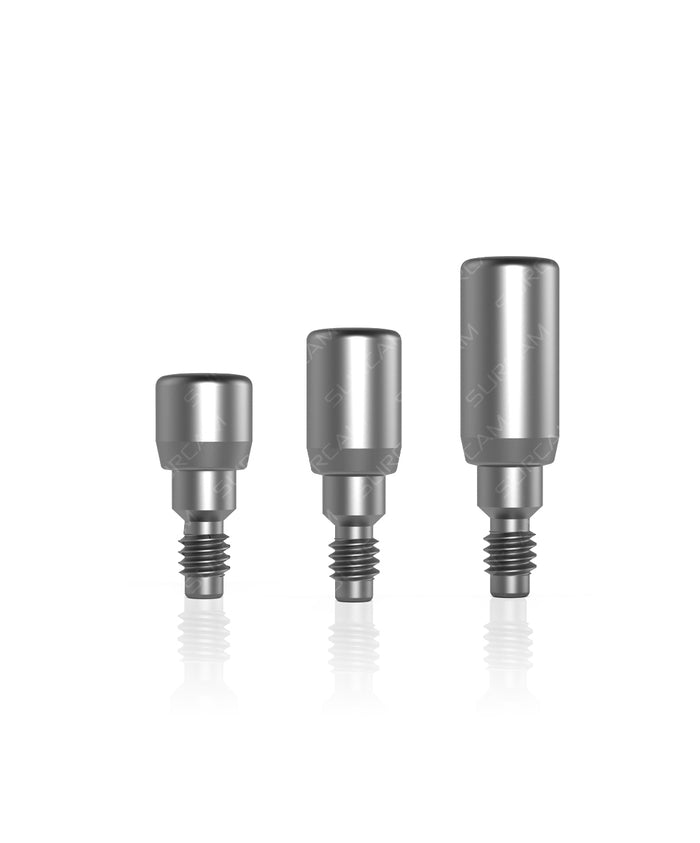
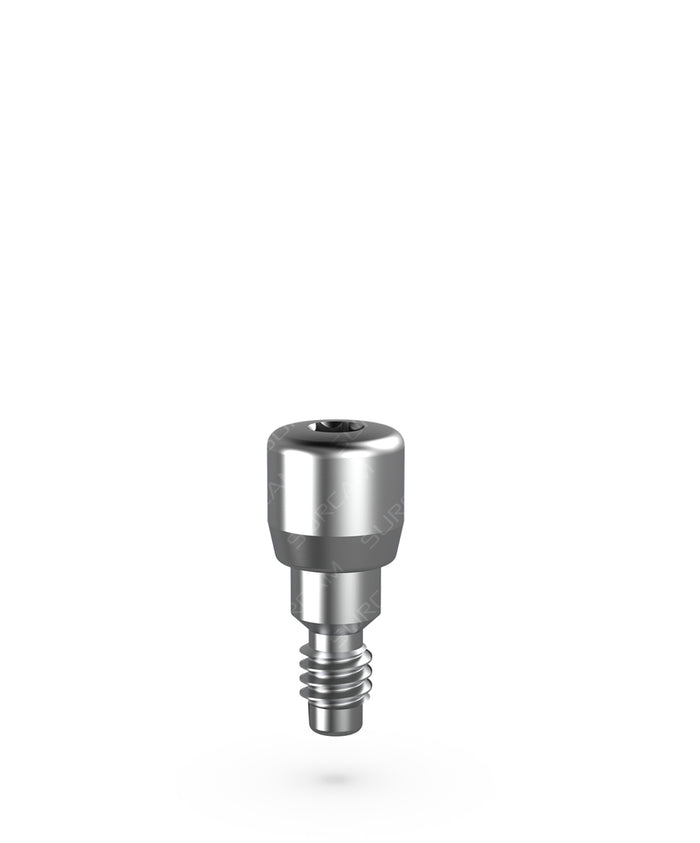
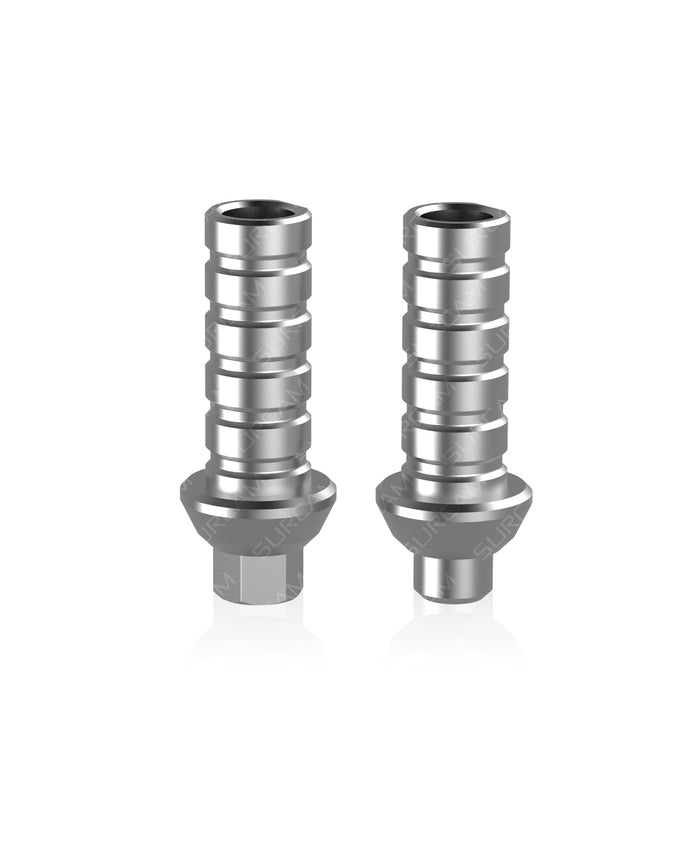
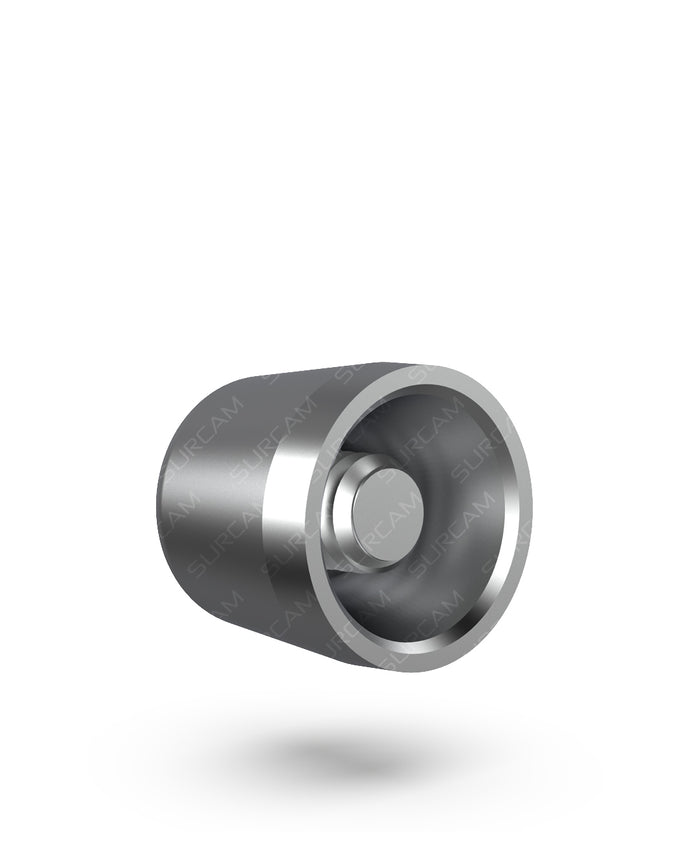
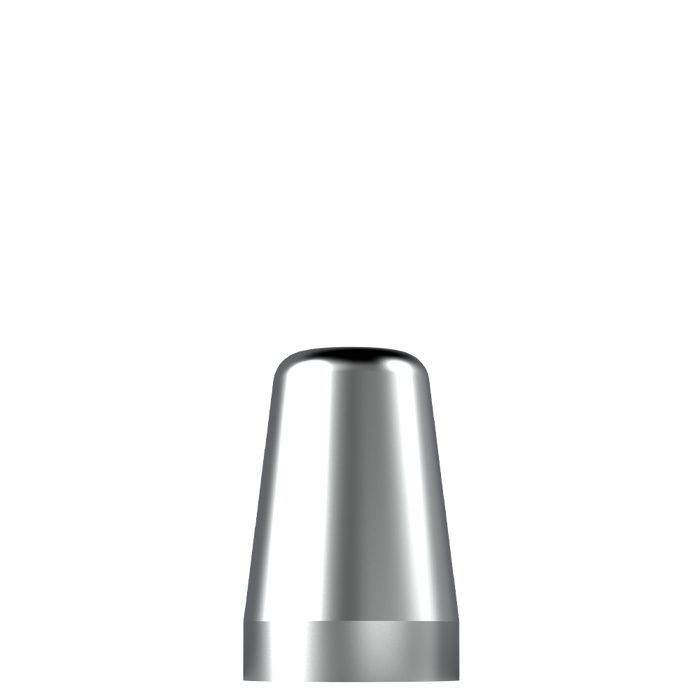
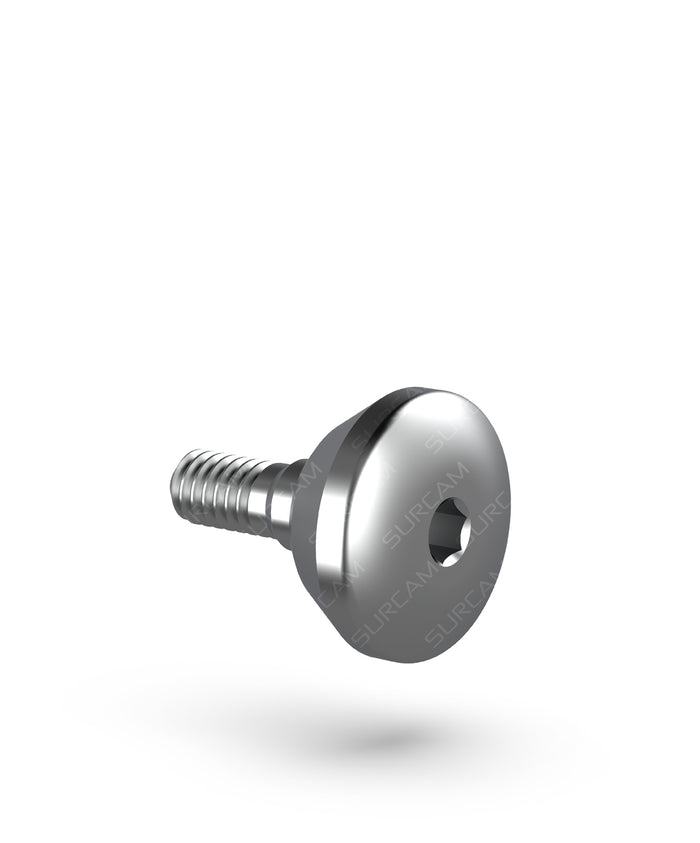
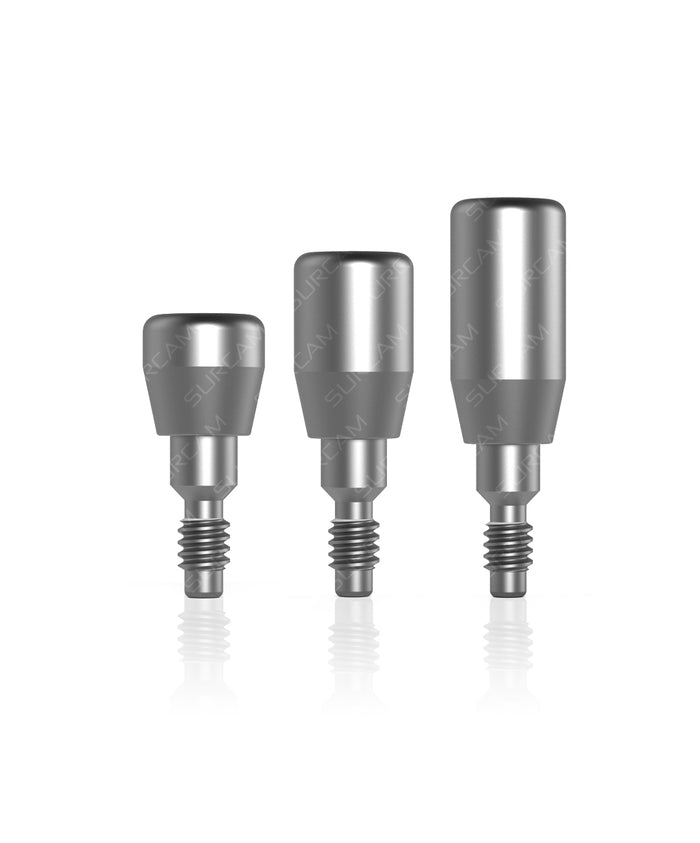
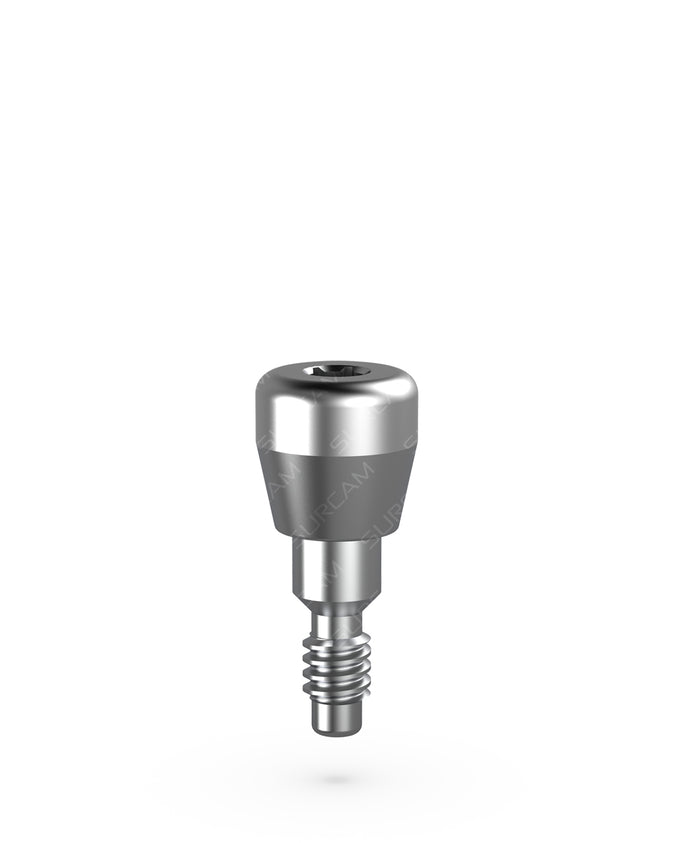
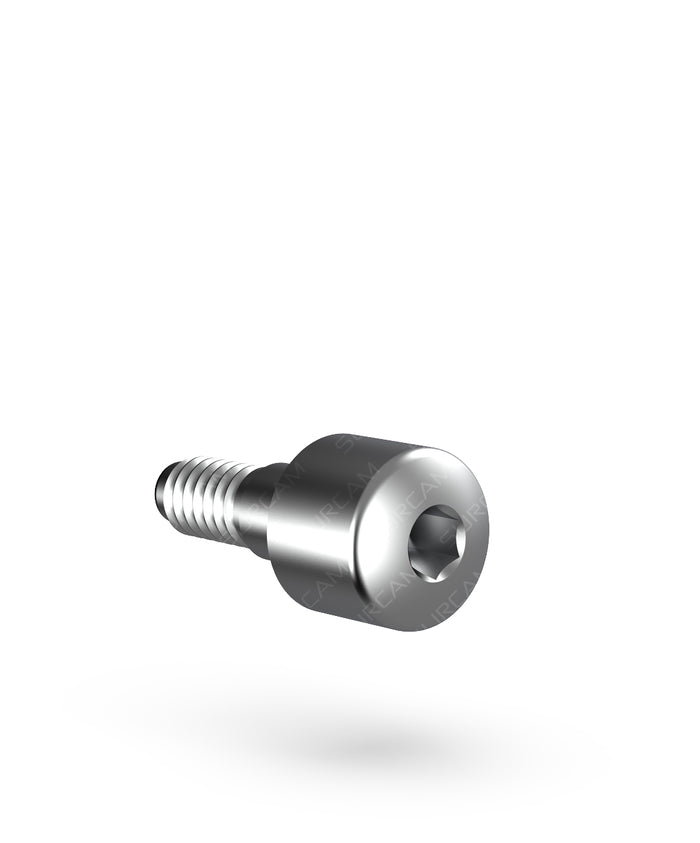
- Internal hex healing caps (2.42/2.43 mm): Ultra-Slim Ø3.7, Slim Ø4.6, Normal Ø5.0, Concave Ø5.5 and Wide Platform Ø6.0 mm, in gingival heights from 1 to 8 mm.
- Conical connection healing caps (NP and RP): Ø3.6 and Ø5.0 mm for narrow and regular platforms, in 3, 5 and 7 mm gingival heights.
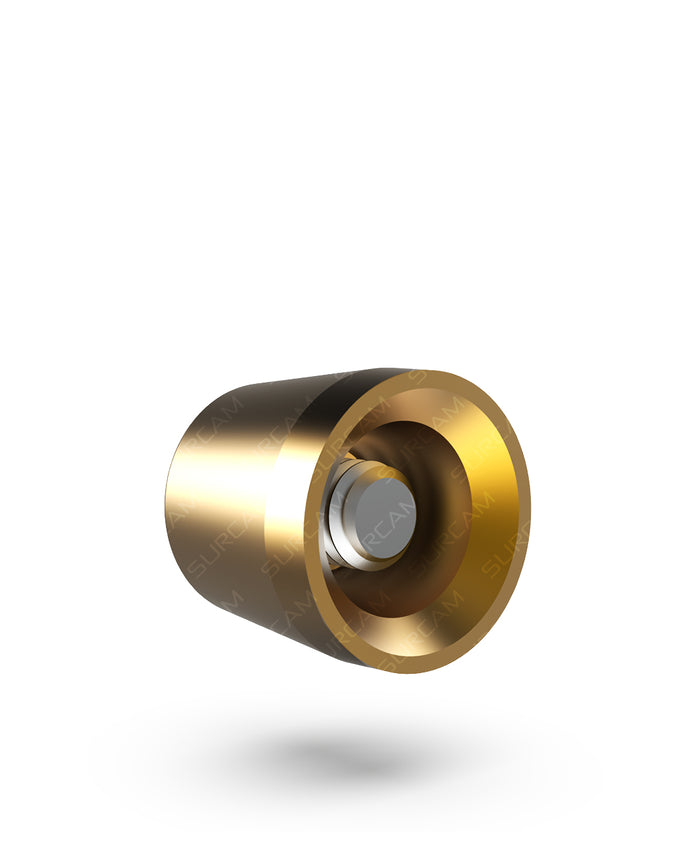
- Multi-unit healing caps: for General Multi-Unit and Prime Multi-Unit abutments during immediate or early loading.
How to choose a healing cap
- Connection and platform. Match the implant connection exactly: internal hex 2.42/2.43 mm, or conical NP/RP. Mixing systems compromises seating and soft-tissue stability. Not sure which platform you have? Check the dental compatibility chart.
- Gingival height. Measure soft-tissue thickness and choose a height that emerges just above the mucosa without compressing it.
- Diameter and profile. Ultra-slim and slim profiles suit narrow ridges and tight interproximal spaces. Normal and wide profiles support premolar and molar sites. The concave profile leaves room for soft-tissue volume where esthetics matter.
Healing cap, healing abutment or cover screw?
"Healing cap" and "healing abutment" are two names for the same component: a titanium transmucosal part used when the implant heals through the gingiva, either in a one-stage protocol or after second-stage exposure. A cover screw is different. It sits flush on the implant under closed mucosa in two-stage protocols. For indications, selection criteria and complications, read our clinical guide: Implant Healing Caps (Healing Abutments): A Clinical Guide.
After healing: matching restorative components
- Impressions: internal hex transfers & analogs or conical transfers & analogs
- Digital workflows: internal hex Ti-bases or conical Ti-bases
- Full-arch and screw-retained bridges: multi-unit abutments
- Provisional crowns: Temporary Aesthetic Abutment (Internal Hex 2.42)